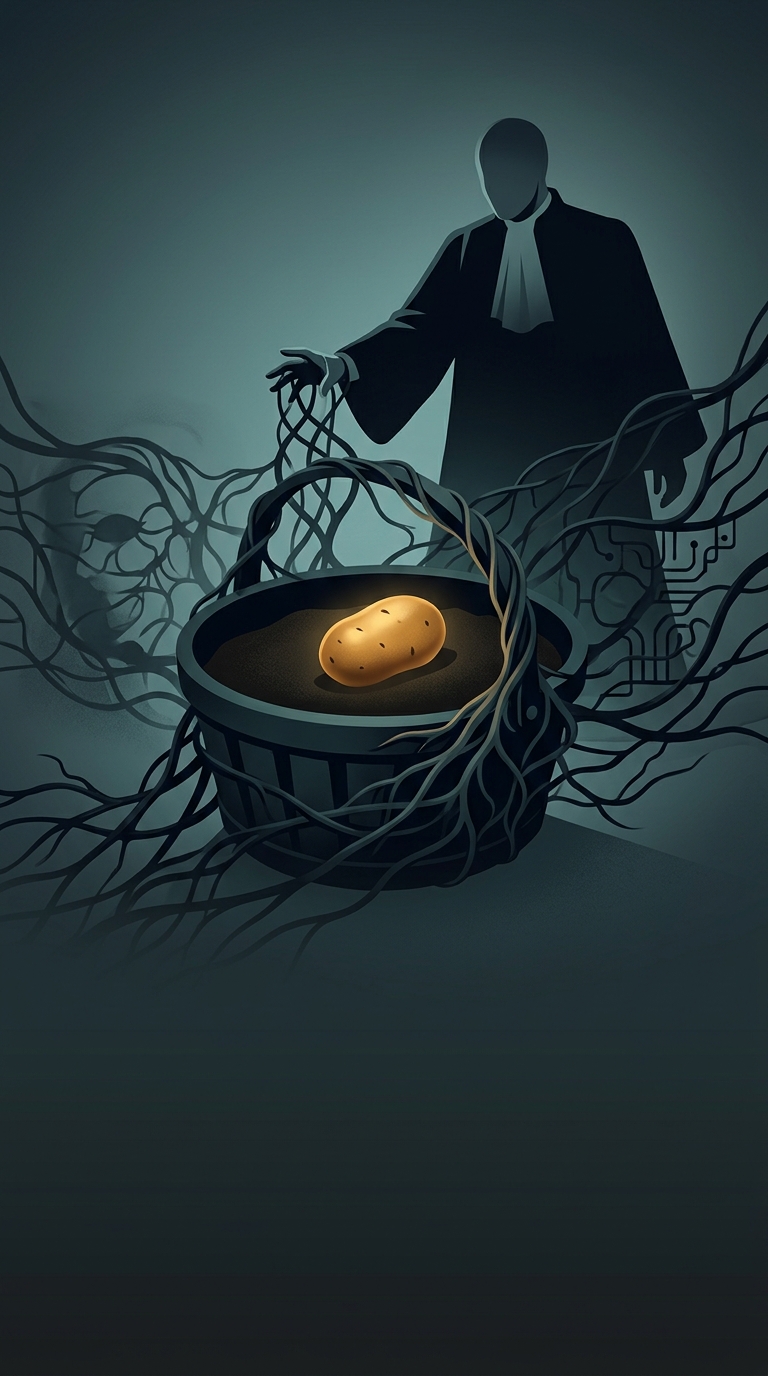
A court treated the potato as a health threat
The ban came from the Parlement of Paris, a powerful court under the French monarchy—not a national legislature in the modern sense. In 1748, it prohibited potato cultivation in its jurisdiction. The concern was that potatoes might cause leprosy, a fear encouraged in part by the plant’s unfamiliar appearance and its membership in the nightshade family, which includes some poisonous plants.
That reasoning confused the risks of the plant with the food itself. Some nightshade relatives are toxic, and potato leaves and stems can be harmful; the edible tuber, however, is safe when properly prepared. The court’s order reflected the limits of contemporary medical knowledge, not evidence that potatoes spread leprosy.
How the ban lost its force
The restriction remained for decades, but the potato’s practical value became harder to ignore. It could produce a substantial food crop, making it especially useful when harvests failed and bread grew scarce. In 1772, the Paris Faculty of Medicine judged potatoes fit to eat, helping clear the way for cultivation to resume.
The episode also shows why acceptance did not follow automatically from a crop’s usefulness: people needed trusted authorities to reconsider a frightening new food. Later, pharmacist Antoine-Augustin Parmentier became a prominent advocate for potatoes in France. The court’s prohibition ended not because the potato changed, but because its supposed danger was reassessed—and hunger made its potential harder to dismiss.