A ruler’s fly problem, solved with other people’s bodies
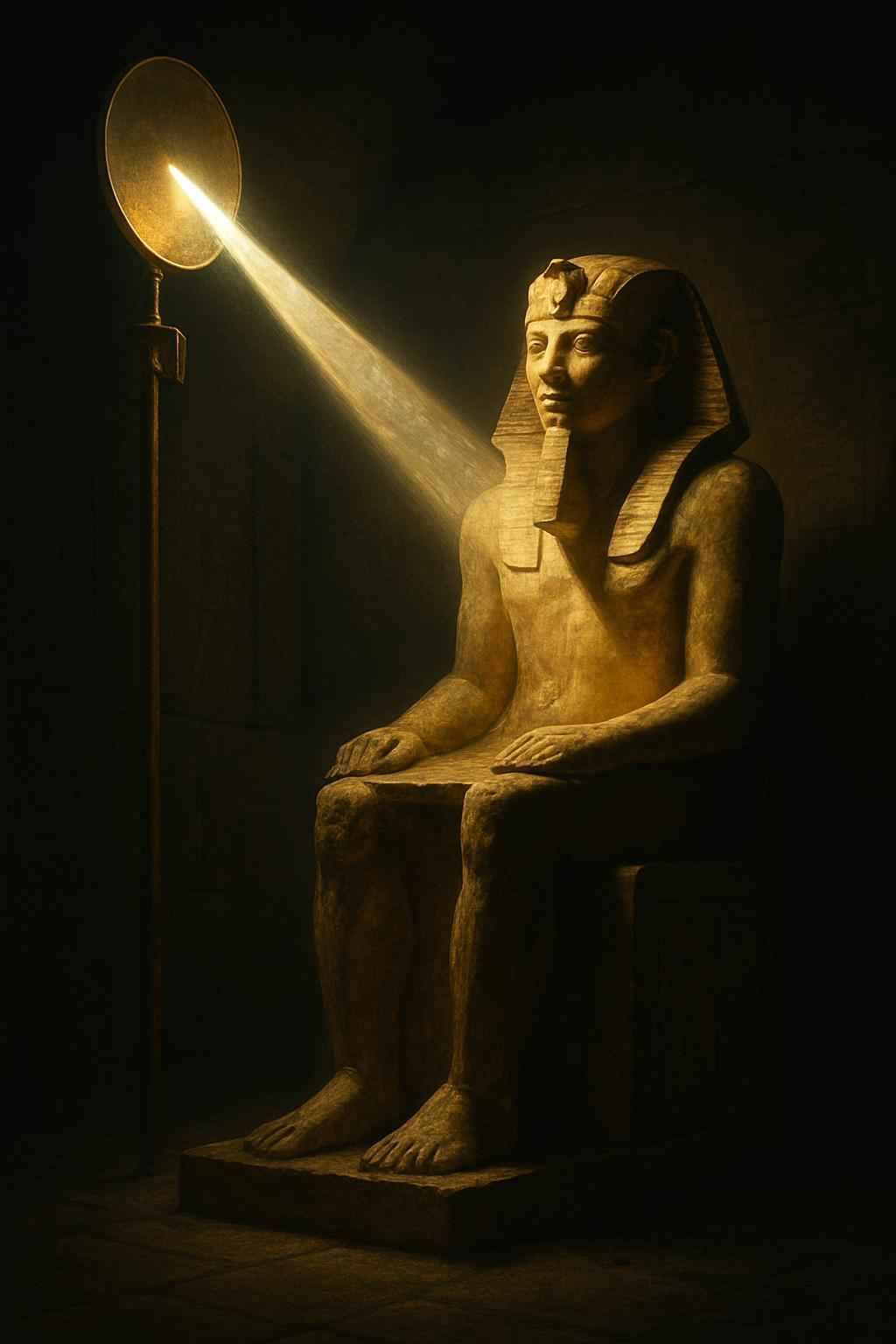
An account about Pepy II describes a startling form of personal pest control: enslaved people, coated in honey, stood near the ruler to draw flies away from him. The tactic depended on a simple attraction. Flies seek out sweet substances, and honey’s stickiness can hold insects that land on it. The servants were made into living lures, taking on the discomfort so the king would face fewer flies.
What the arrangement reveals about power
The story is striking not because it suggests an ingenious invention, but because of who was expected to bear its cost. Pepy’s comfort was treated as a problem that could be managed by assigning the nuisance—and the honey—to people with no power to refuse. In that sense, the device was less a solution to flies than an expression of the distance between a ruler and those serving him.
The detail also makes the remedy sound imperfect: honey might catch flies that landed, but it would not make them disappear from the surroundings. The account’s memorable image is therefore of a burden being shifted, not of a palace made fly-free. The ruler’s relief came at the expense of the people turned into bait.