A greeting designed to keep the office formal
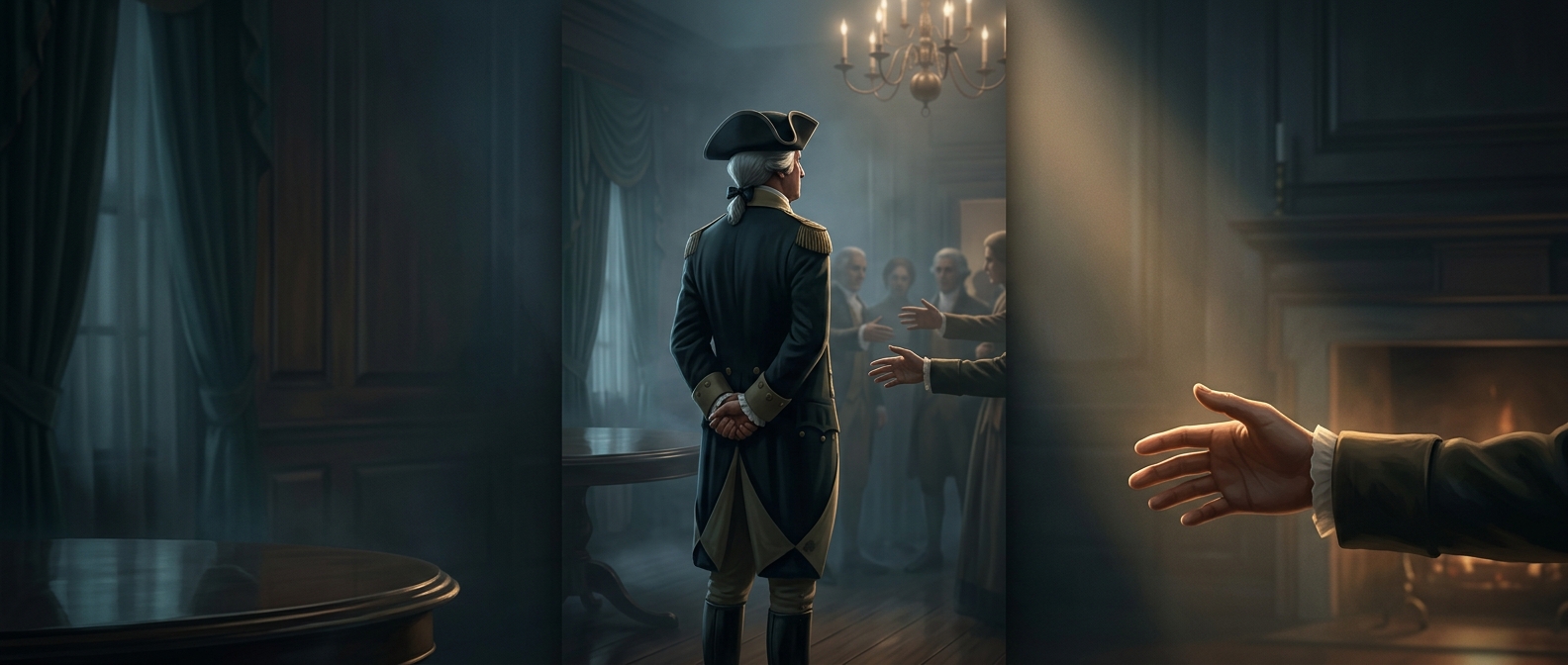
George Washington’s bow was more than a personal quirk: it helped make presidential appearances feel like public ceremony. In the new republic, the president had to represent national authority without seeming to be a king. A restrained, formal greeting offered a way to signal the importance of the office while avoiding the familiar intimacy of a handshake.
Receptions made the protocol visible
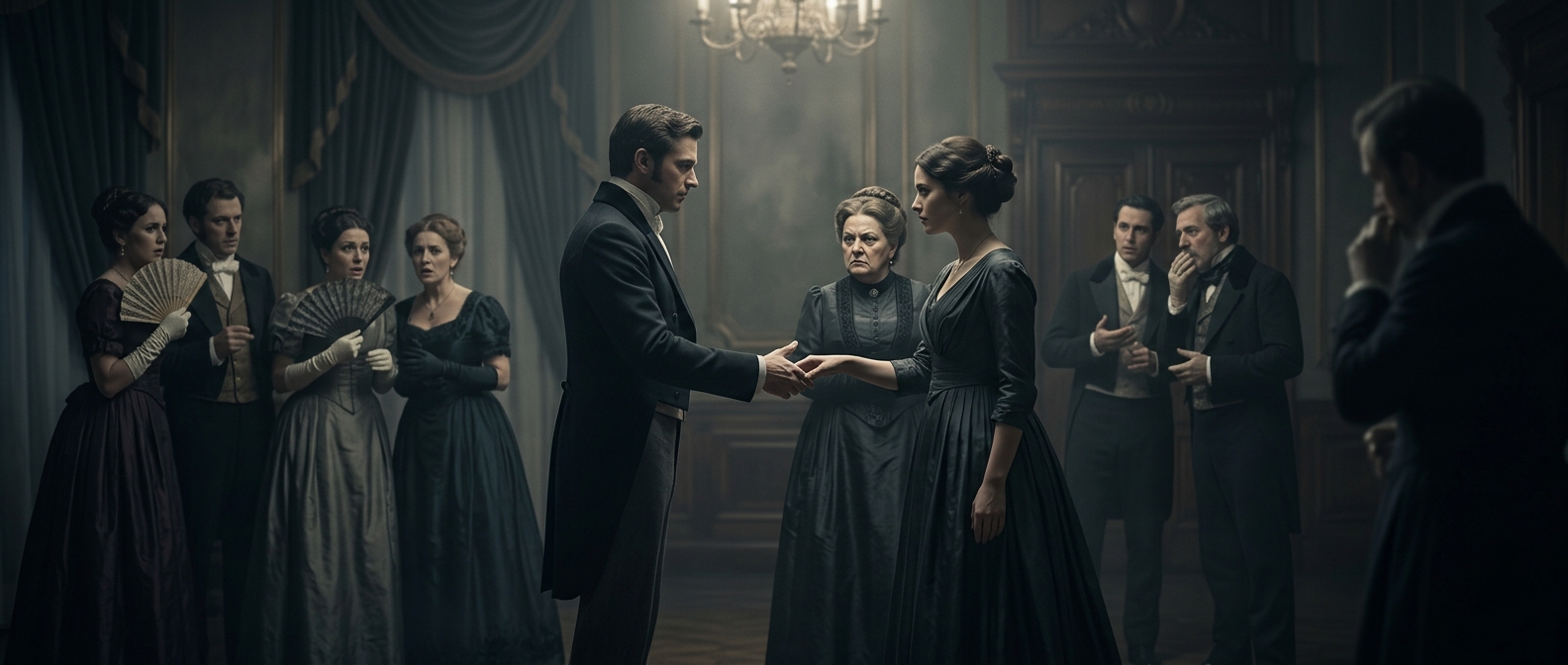
Washington received visitors at formal gatherings often called levees—scheduled receptions where people could be presented to the president. Guests might expect the ordinary social gesture of a handshake, but Washington kept to his preferred bow. The small mismatch made the boundary between private sociability and official audience unmistakable: visitors were not simply greeting a neighbor; they were appearing before the head of state.
That choice also set expectations for how presidential authority would look. Washington’s manner gave the office ceremony and distance, leaving later Americans to decide how much formality a republic should keep.