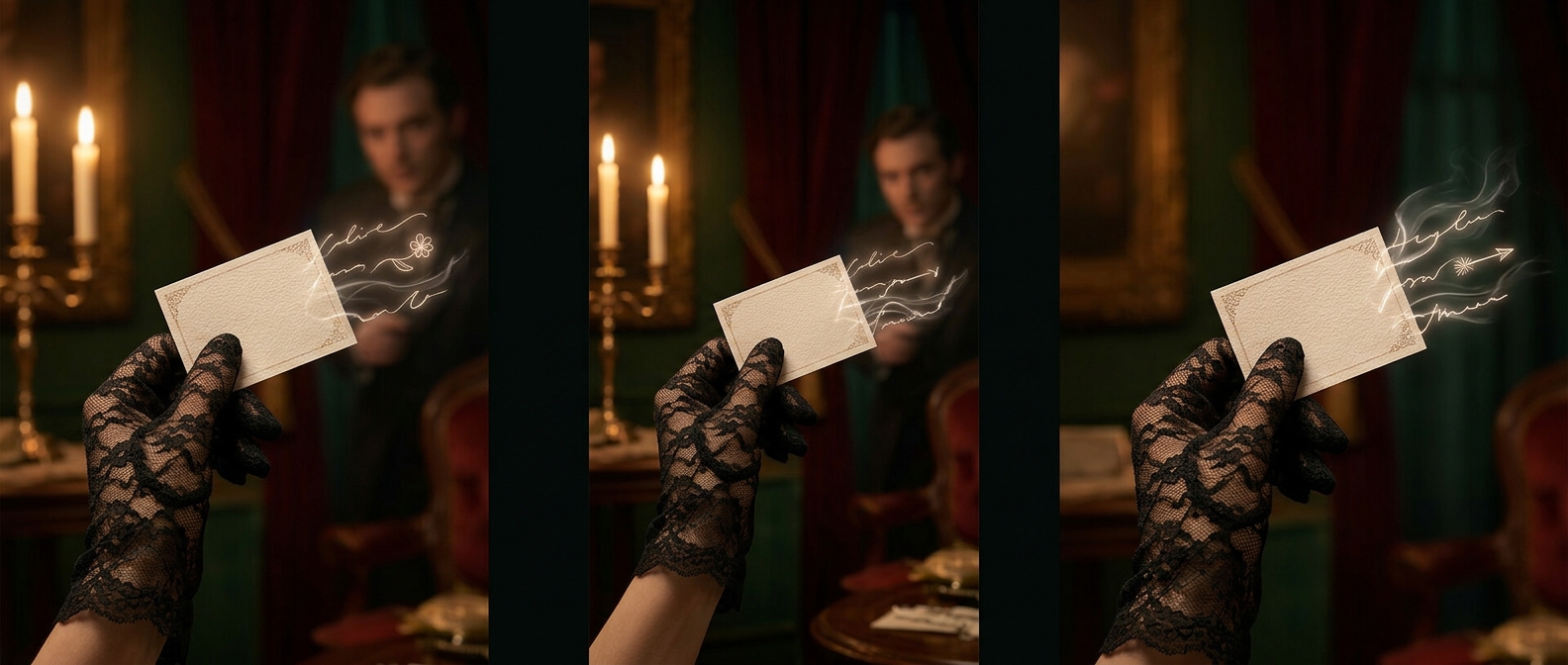
Why a Handshake Could Feel Too Familiar
A greeting is not just a way to say hello; it also sets the distance between two people. In settings where a bow or curtsy was the expected form, reaching for a stranger’s hand could cross a boundary that the local rules of politeness were designed to preserve. The gesture might seem friendly to one person and overly familiar to another.
A bow lets someone acknowledge another person without touching them. A curtsy—a small bend of the knees, traditionally associated with women’s etiquette—does the same while marking a particular social convention. Both gestures can be adjusted in depth, making the greeting’s formality visible without requiring physical contact.
Etiquette Made Social Distance Visible
These customs were not universal rules followed everywhere. Expectations differed across communities and settings, and a greeting that suited one encounter could seem inappropriate in another. Where rank or formal respect mattered, the way someone greeted another person could signal deference as well as courtesy. A controlled bow or curtsy made that relationship legible; an offered hand could imply a degree of equality or ease that the occasion did not call for.
That is why the shift from one greeting to another was more than a change in fashion. As handshaking became familiar in some social settings, it offered a direct, reciprocal gesture—but it also assumed that touch was welcome. The old preference for bowing or curtsying reminds us that politeness has never been only about warmth. It is also about knowing how close, physically and socially, an encounter is supposed to be.