A Late Arrival Could Signal Rank
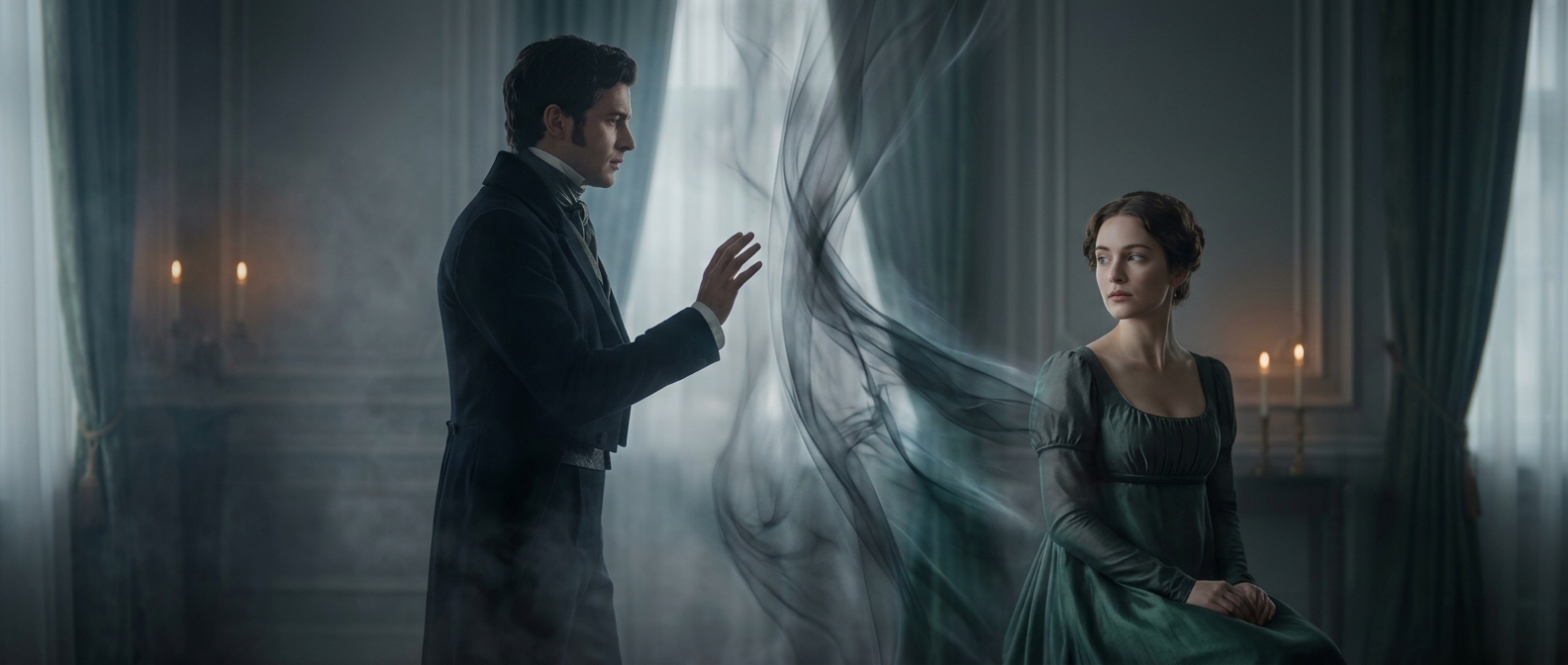
At an elite gathering, punctuality was not always the clearest way to show importance. A guest who appeared after the event was meant to begin could imply that the occasion—and the people waiting for them—would adjust to their timetable. The delay became a visible display of status: the guest seemed too consequential to hurry, while everyone else’s attention gathered around the moment they finally arrived.
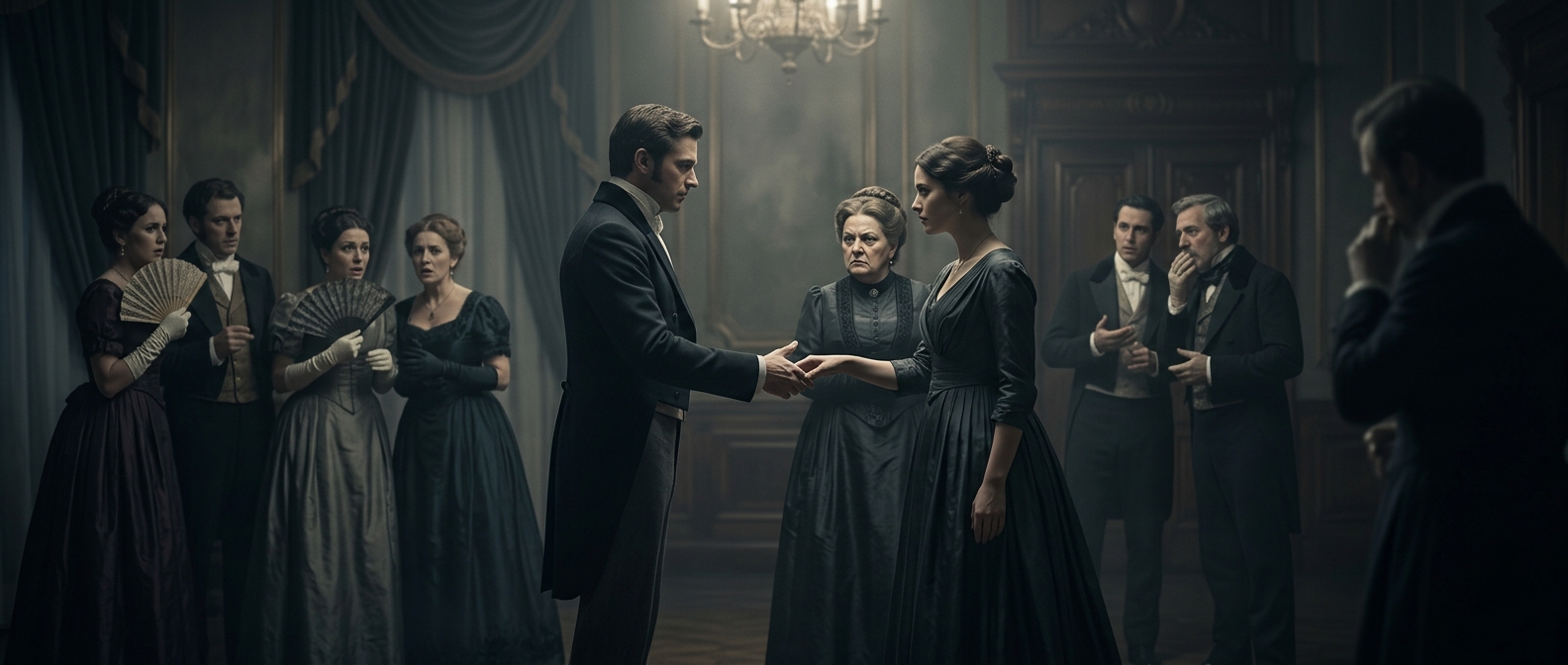
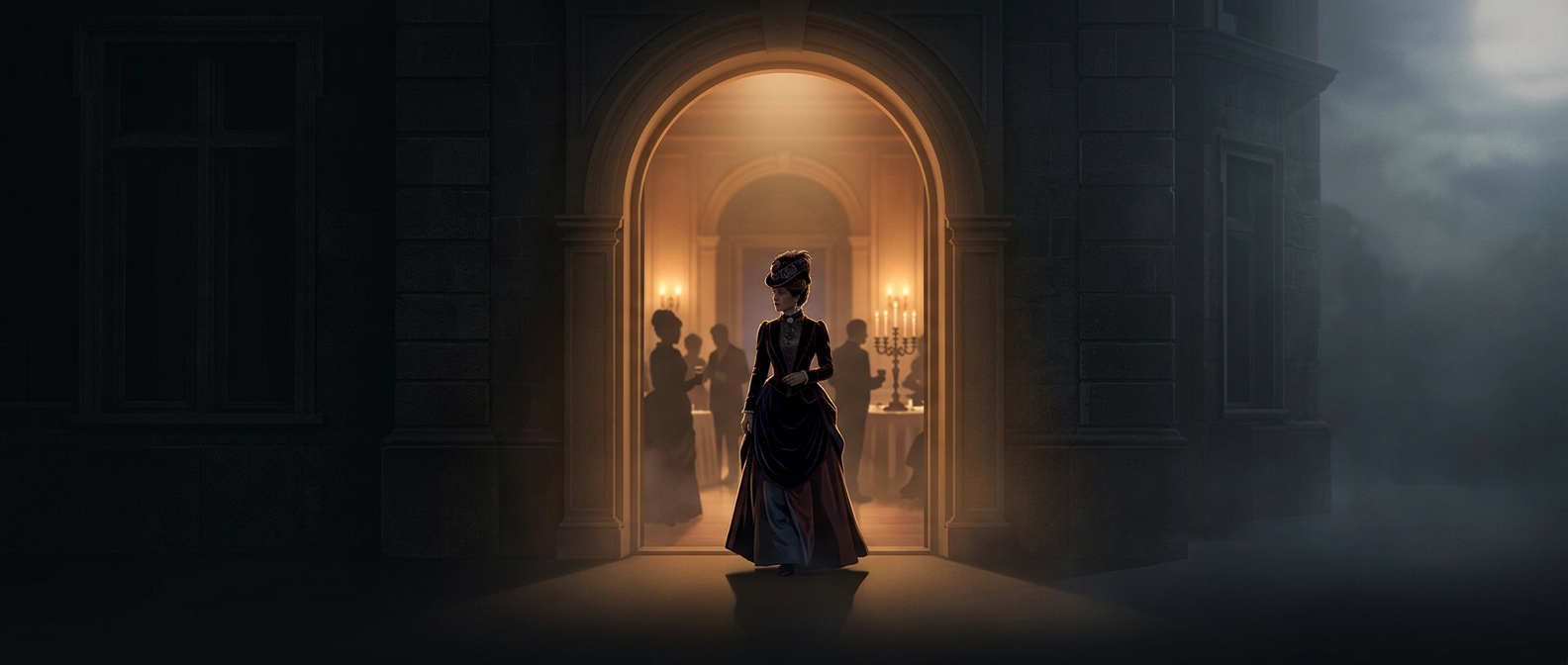
That made the entrance part of the event rather than a simple arrival. Guests already present might pause their conversations or turn toward the door, giving the latecomer an audience before they had said a word. The longer the wait, the more the entrance could feel like a small performance.
The Host Paid for the Performance
The display depended on someone else keeping the gathering alive. Hosts had to manage the awkward interval, hold the room together, or postpone whatever was supposed to happen next. A prominent guest could lend an event distinction, so a host might tolerate the inconvenience rather than risk seeming unable to attract important company.
But the same delay could also make the host’s hospitality look powerless: the invitation set a time, yet the guest appeared to set the real one. The latecomer gained attention by making other people absorb the wait. That imbalance is what made lateness more than bad manners—it could turn social rank into something everyone in the room had to watch unfold.