A Small Fold in a Formal Visit
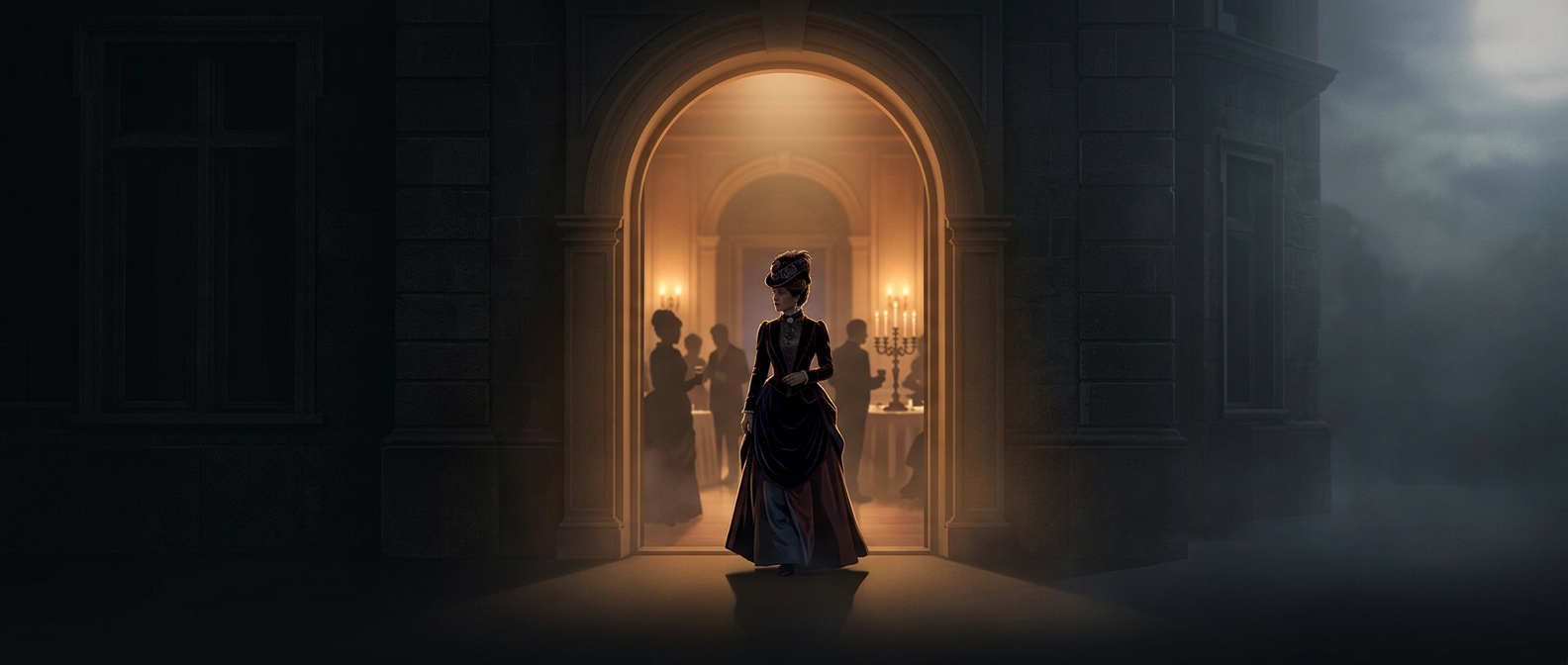
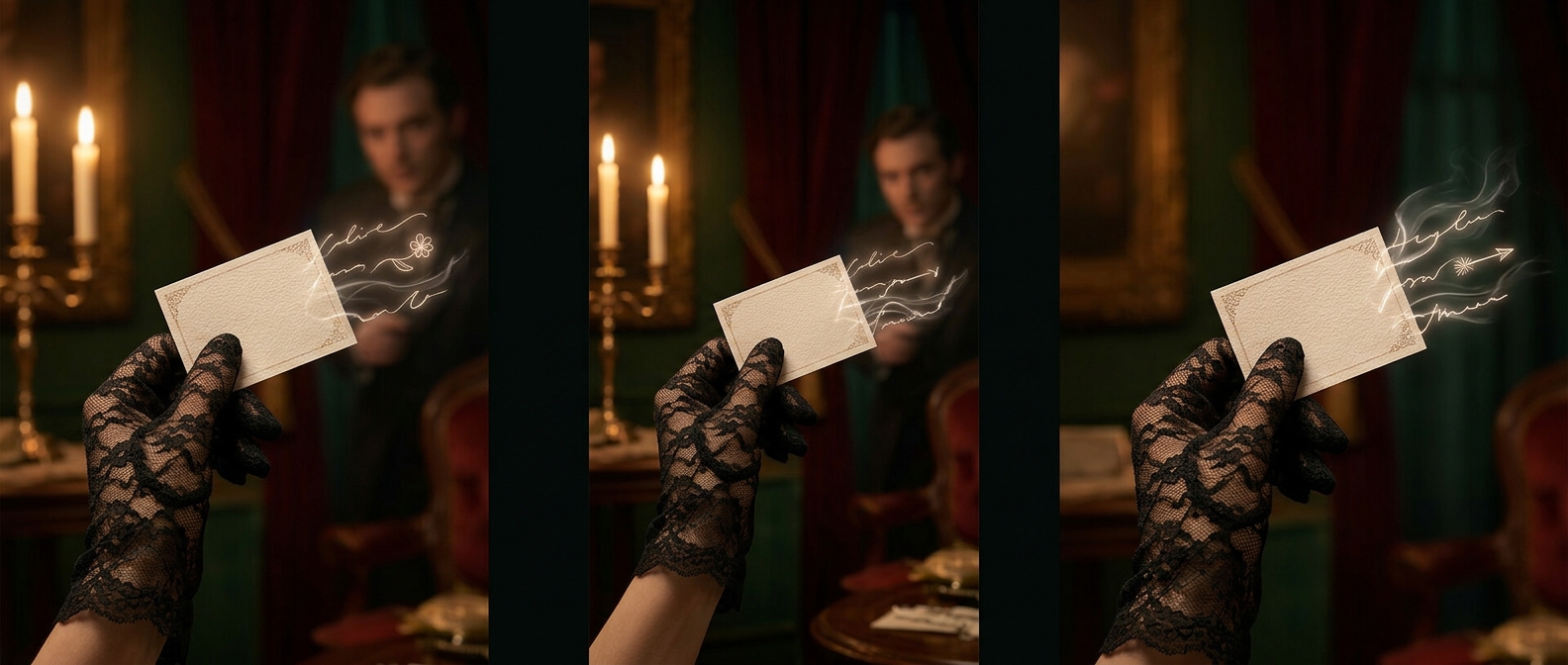
In Victorian society, a social call was governed by etiquette long before anyone reached the parlor. Visitors carried calling cards—small cards printed with a name—and left one at a household when the person they hoped to see was unavailable. The card recorded the visit without requiring a conversation at the door.
A turned or folded corner could add a quiet signal. The gesture gave the card a second role: it was not just identification, but a brief note delivered through a familiar convention. That mattered when manners discouraged a direct request or made an explicit refusal awkward.
Etiquette as a Kind of Code
The meaning of a fold depended on local custom and the rules a particular social circle recognized; there was no single code that every household followed in exactly the same way. Card etiquette could distinguish details such as whether the visitor had come in person or was sending a message, but a corner’s precise meaning should not be treated as universal.
The advantage was less secrecy than tact. A host could understand that a caller had made an effort, while the visitor could leave a signal without pressing for an answer on the spot. The household, in turn, could respond later—or not—without staging a blunt exchange at the threshold.
The Message Was in the Manners
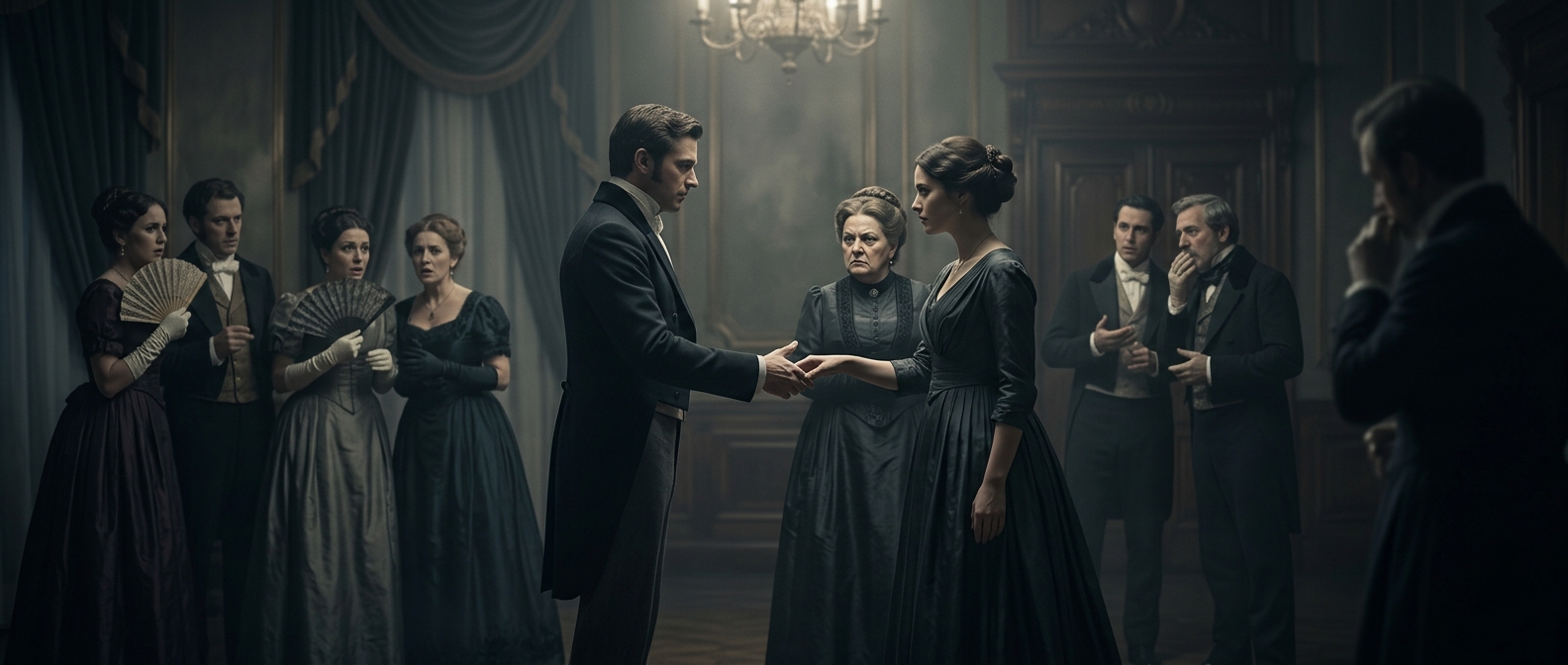
Calling cards helped make social contact orderly, especially among people who paid close attention to rank, invitations, and the timing of visits. Their small conventions let both sides manage the encounter while preserving appearances. A folded corner was therefore a modest gesture with a practical purpose: it made a delicate message possible before anyone had to say it aloud.