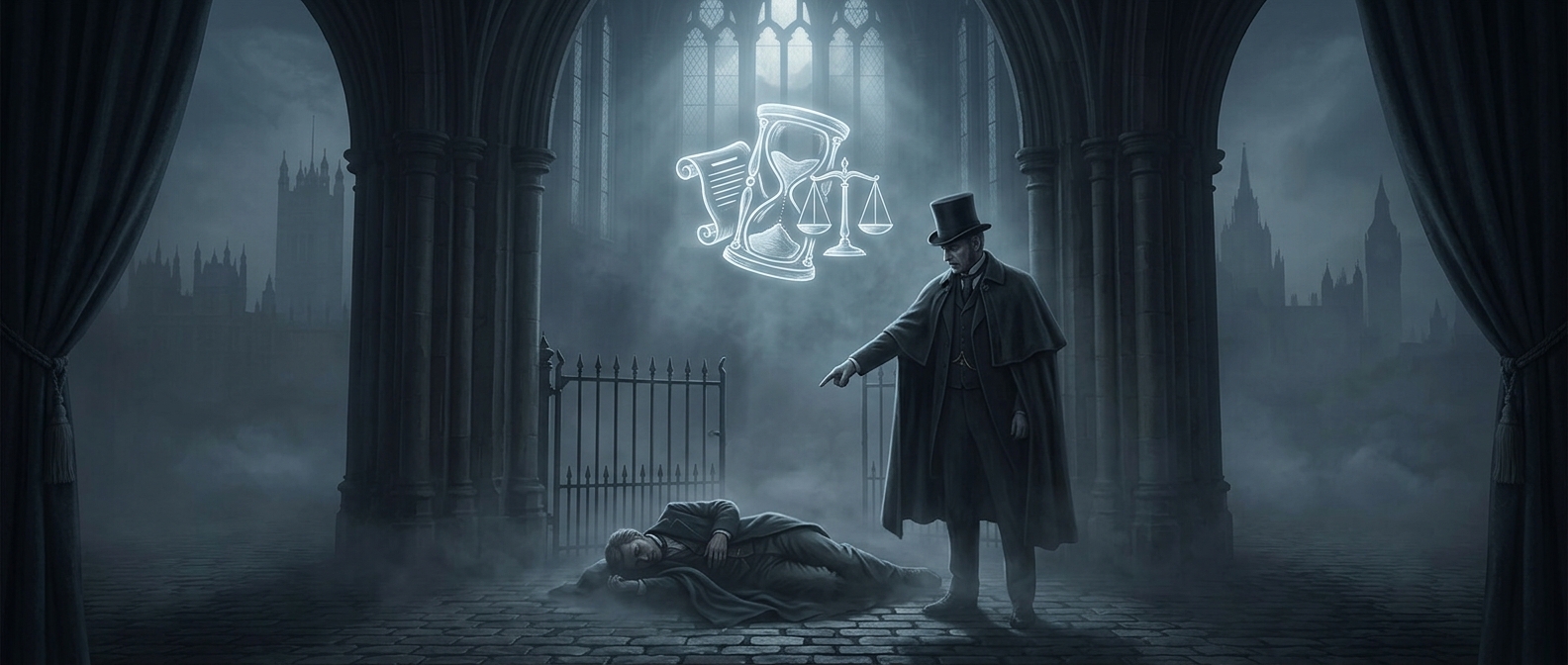
A palace death was not a ticket to a state funeral
The tale depends on a striking premise: that dying inside a royal palace automatically earned someone a state funeral, giving officials a costly reason to move a dying person outdoors. But a state funeral is a public honor, not a standard benefit triggered by the location of a death. The story’s supposed incentive therefore rests on a claim that should be treated cautiously.
Why a “ban” makes a memorable story
A rule against dying is inherently comic because it tries to regulate something a person cannot reliably control. That mismatch helps explain the tale’s staying power: it turns palace protocol and the expense of grand ceremonies into one neat, absurd explanation. Yet a memorable story is not evidence that a law existed. Historians debate whether any such ban was ever on the books.
Protocol is not the same as legislation
A royal household could have procedures for illness, medical care, and events within a palace. Those practical arrangements would not amount to a law making death there illegal, nor would they establish an automatic right to a state funeral. Without evidence of the legislation, the distinction matters: the anecdote may preserve a joke or confusion about palace etiquette, rather than a real legal command.
The image of officials hustling a dying person across the palace threshold survives because it makes institutional formality look ridiculous. The more grounded takeaway is less theatrical: a supposed rule about where someone could die is not the same thing as a law—or a guaranteed funeral—once they did.