A prepared speech, delivered without a page
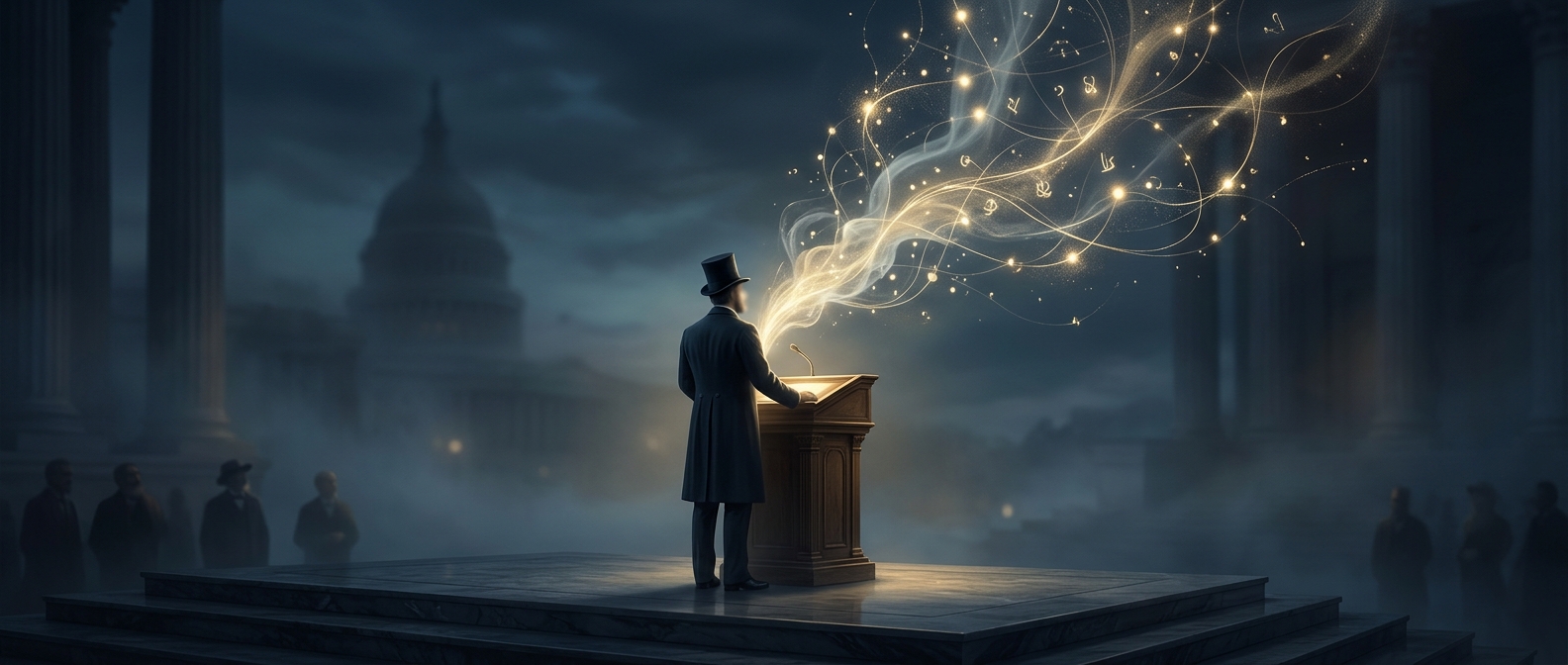
At his 1853 inauguration, Franklin Pierce gave an address of more than 3,000 words from memory. That did not make the speech an improvisation: he had prepared it in advance. The unusual part was carrying the entire text into a public ceremony without a manuscript to consult.
An inaugural address is both a political statement and a live performance. The president must make a sustained argument while speaking to a crowd, with no easy way to pause and find his place. Reading from paper gives a speaker a built-in guide; memorizing removes that support and makes the sequence of ideas depend on recall.
Why the setting raised the stakes
The inaugural platform offered little room to recover from a lost line. Pierce had to keep the address moving in front of listeners who could hear each hesitation. And because the occasion was ceremonial, the delivery itself mattered: the audience was watching not only what the new president said, but how he presented himself as he took office.
The achievement is best understood as disciplined preparation, not proof that Pierce spoke spontaneously or never used written notes while composing the address. A memorized speech can still be carefully drafted; it simply shifts the final burden from the page to the speaker.
That distinction makes the detail memorable. Pierce did not merely stand before the country with a long message—he had to bring every transition and sentence with him, and deliver it without a sheet of paper to catch him if his place slipped.