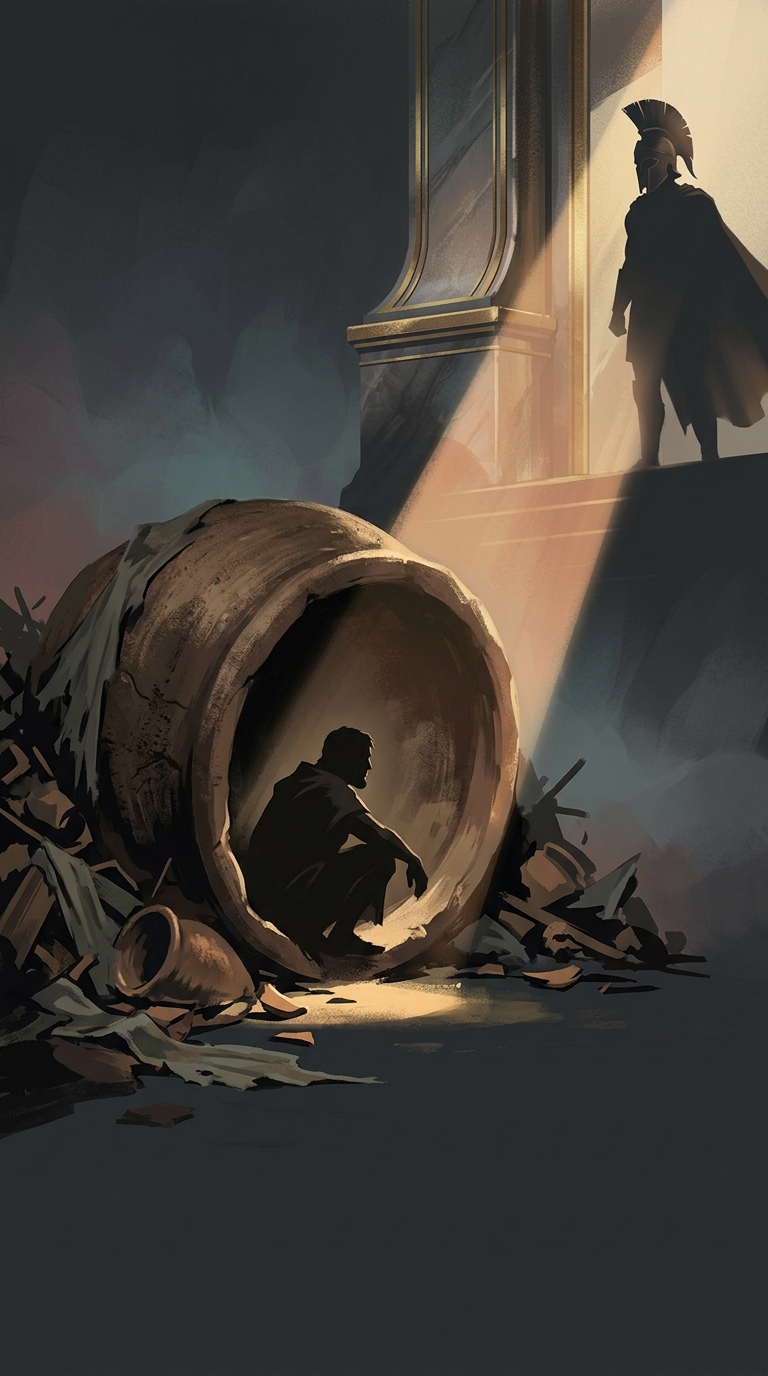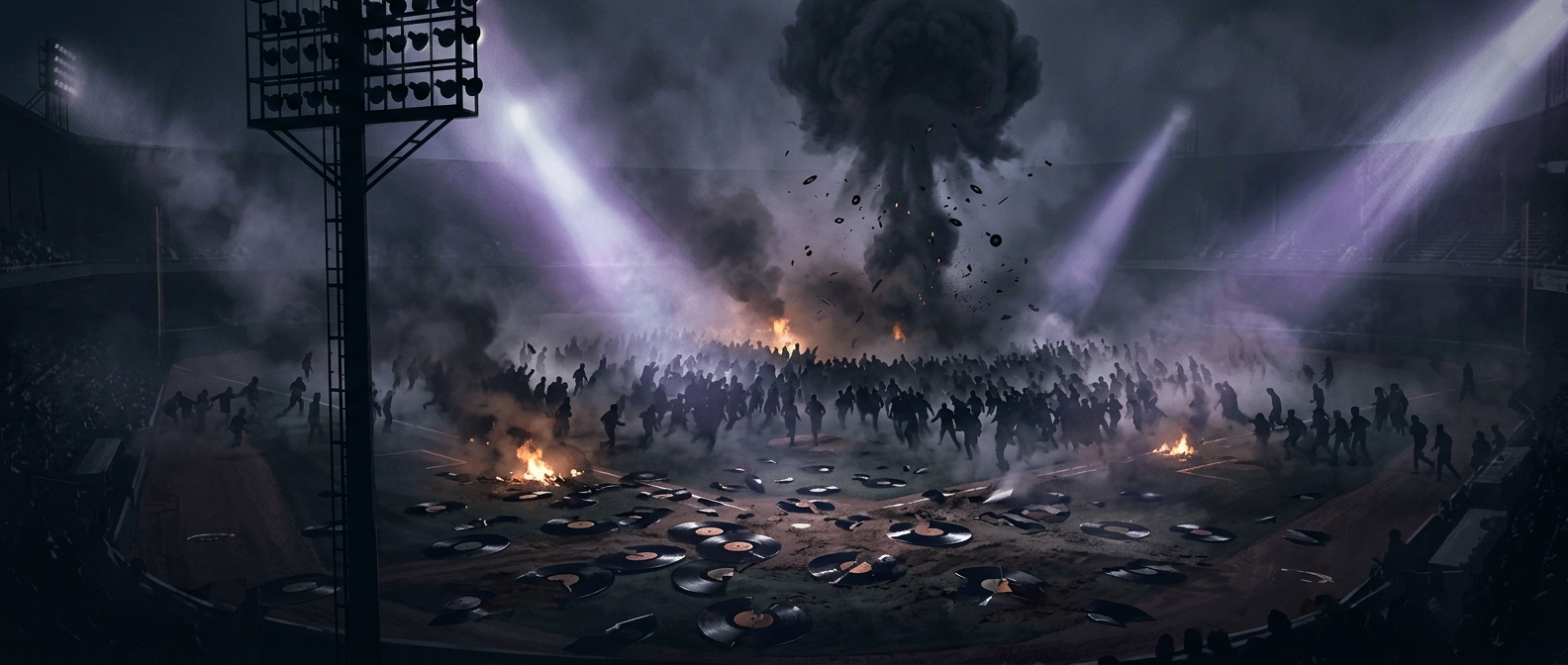
A philosopher caught in a street confrontation
The story of Michel Foucault throwing corrosive chemicals at police is usually associated with the student unrest he encountered while teaching in Tunisia in the late 1960s. It places an abstract-sounding question—how power is enforced—on a literal street, where police, protesters, and the state met face to face.
The chemical detail is reported rather than firmly established, so it should not be treated as a fully documented episode. The broader setting is clearer: Tunisian students challenged the government, and authorities responded with arrests and force. Foucault was close enough to the unrest that accounts of his involvement include helping students who faced danger.
From theory to the machinery of authority
Foucault’s work examined how institutions shape behavior and how authority operates through surveillance, rules, and punishment—not only through a ruler’s commands. A confrontation with police would have made that machinery immediate: officers could disperse a crowd, identify protesters, and expose them to arrest. For students, the risk was not merely being pushed off a street; it could follow them into court or prison.
That does not make a reported act of violence a simple illustration of his philosophy. It does show why the episode has endured: Foucault was not observing political power only from a lecture room. In Tunisia, the argument about authority had a physical address—a protest line, and the police standing across it.