Why Democritus’s blindness became a story about concentration
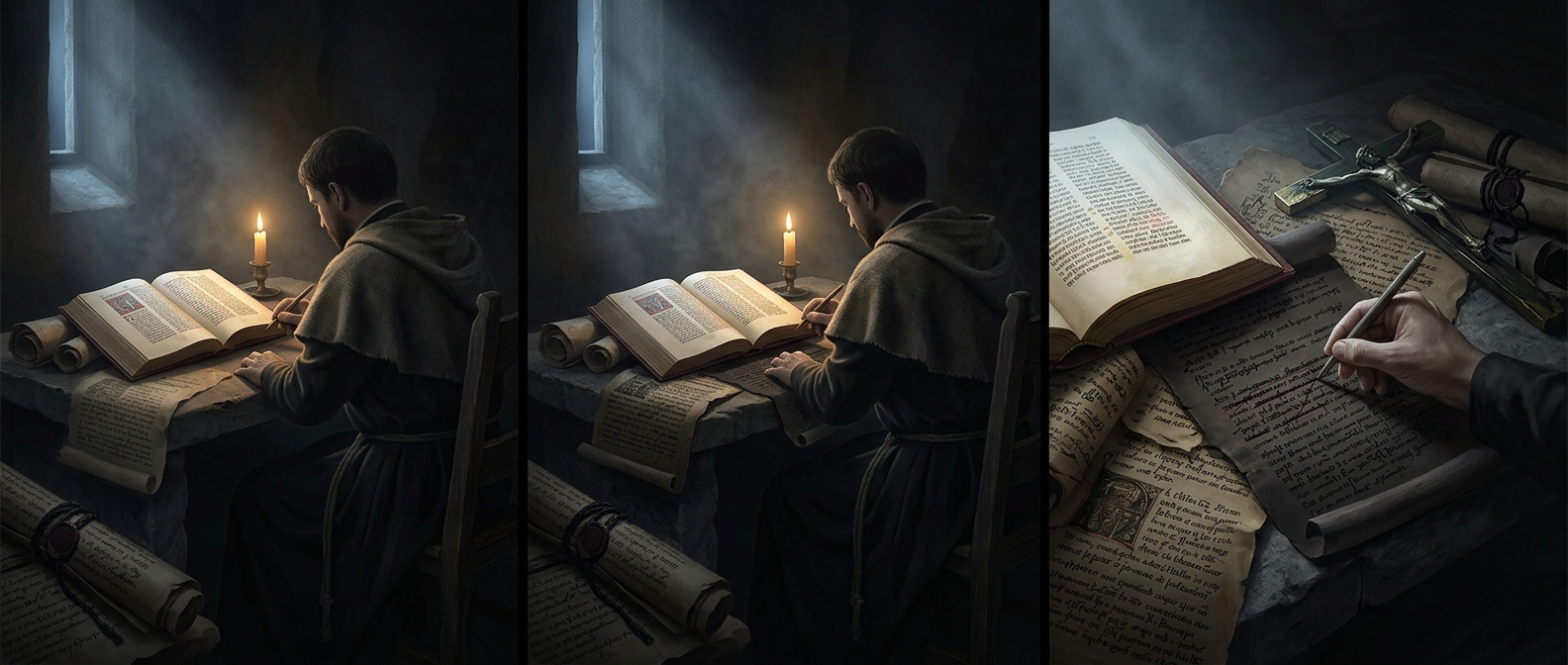
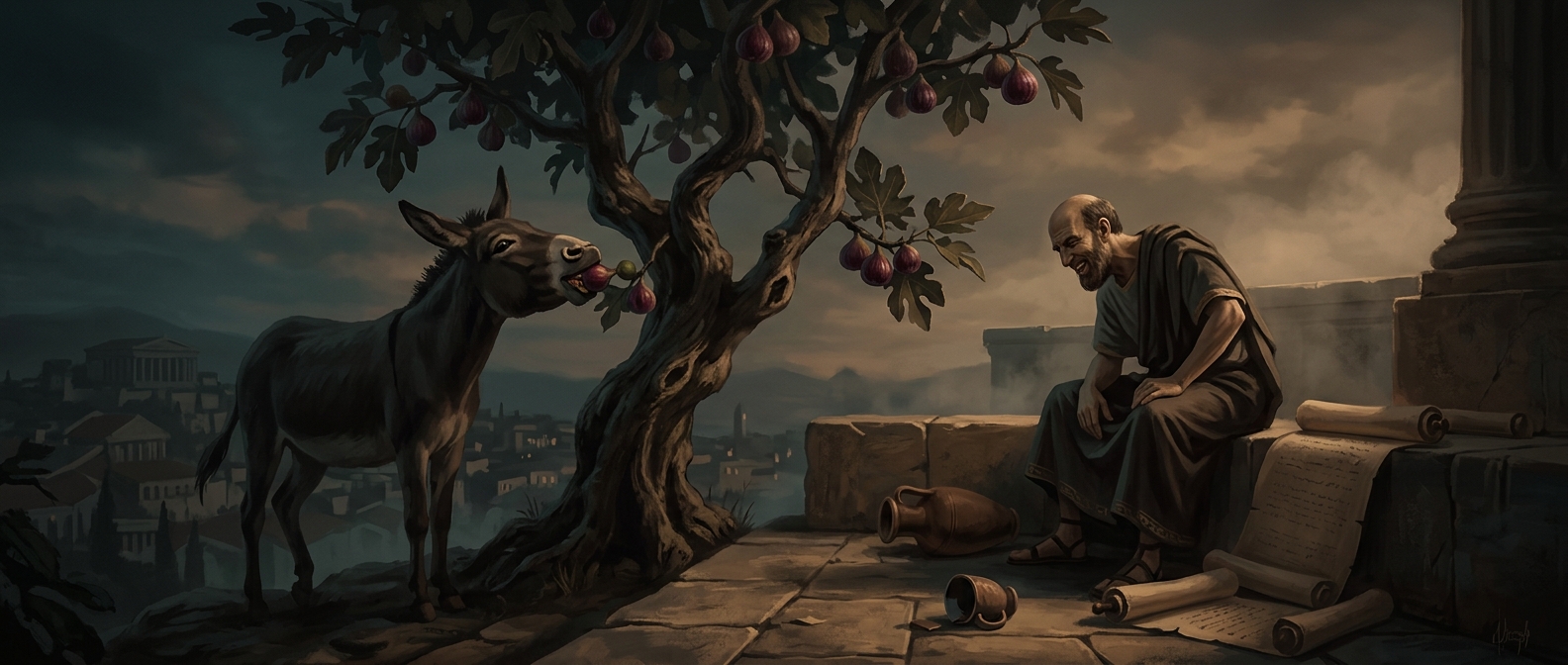
Ancient biographers said that Democritus, the Greek thinker associated with the idea that matter is made of tiny particles called atoms, deliberately blinded himself so that sight would not interrupt his thought. The story turns an ordinary struggle—being pulled away from an idea by what is happening around you—into an extreme philosophical gesture.
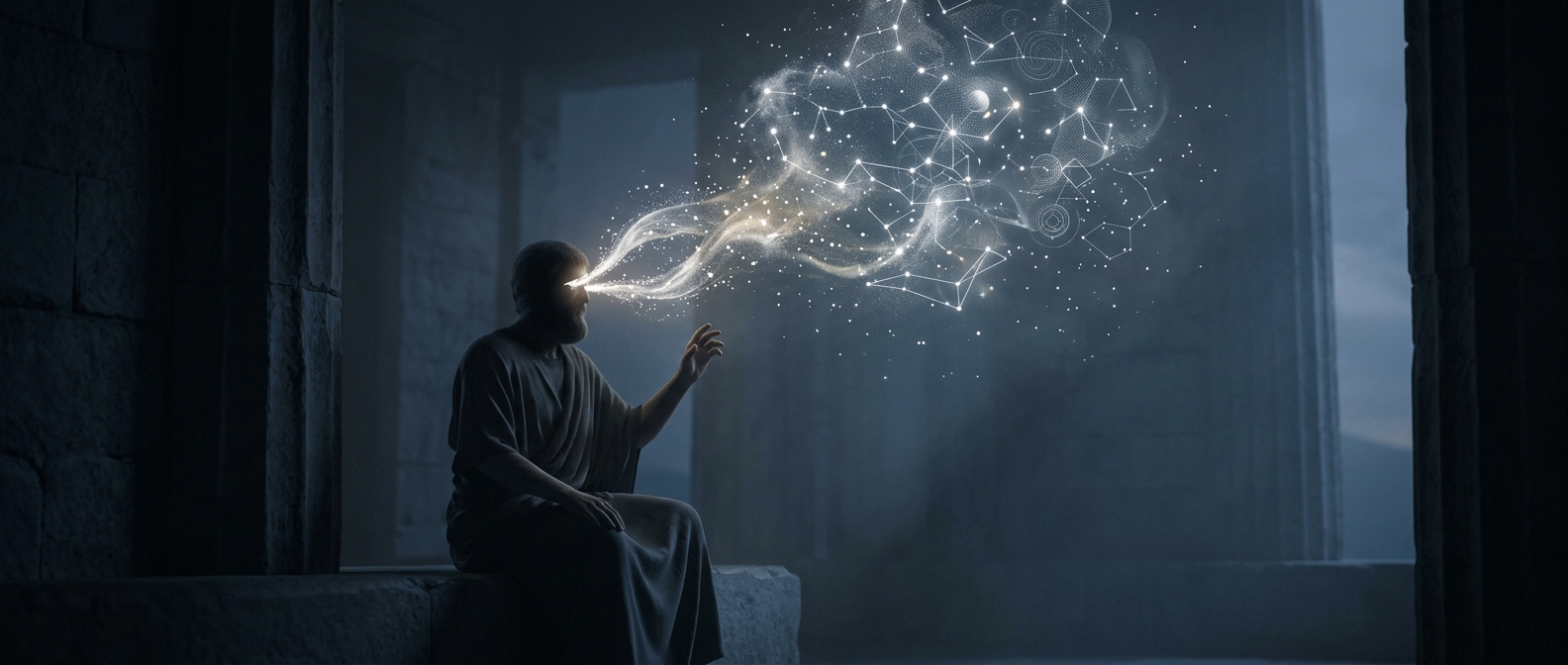
For a thinker, the eyes could represent more than a source of distraction. They were also a route to knowledge, but one that offered a shifting parade of appearances. Democritus’s atomism asked readers to reason beyond what the senses immediately show: solid objects, he argued, are made from particles too small to see. In that light, the tale casts him as choosing inward reasoning over visual experience.
What the anecdote says about the philosopher
The story belongs to the ancient tradition of biographical anecdotes, which often made a thinker’s life illustrate his ideas. Whether Democritus actually blinded himself is uncertain; the claim is best treated as a report about how later readers imagined his devotion, not as a confirmed account of his actions.
That distinction does not make the story meaningless. It shows how powerfully people linked intellectual seriousness with sacrifice—and how easily focus can be recast as withdrawal from the world. Democritus’s supposed solution was irreversible; the enduring point is the contrast between a mind seeking what lies beneath appearances and a pair of eyes turned away from them.