A parish priest’s double life on paper
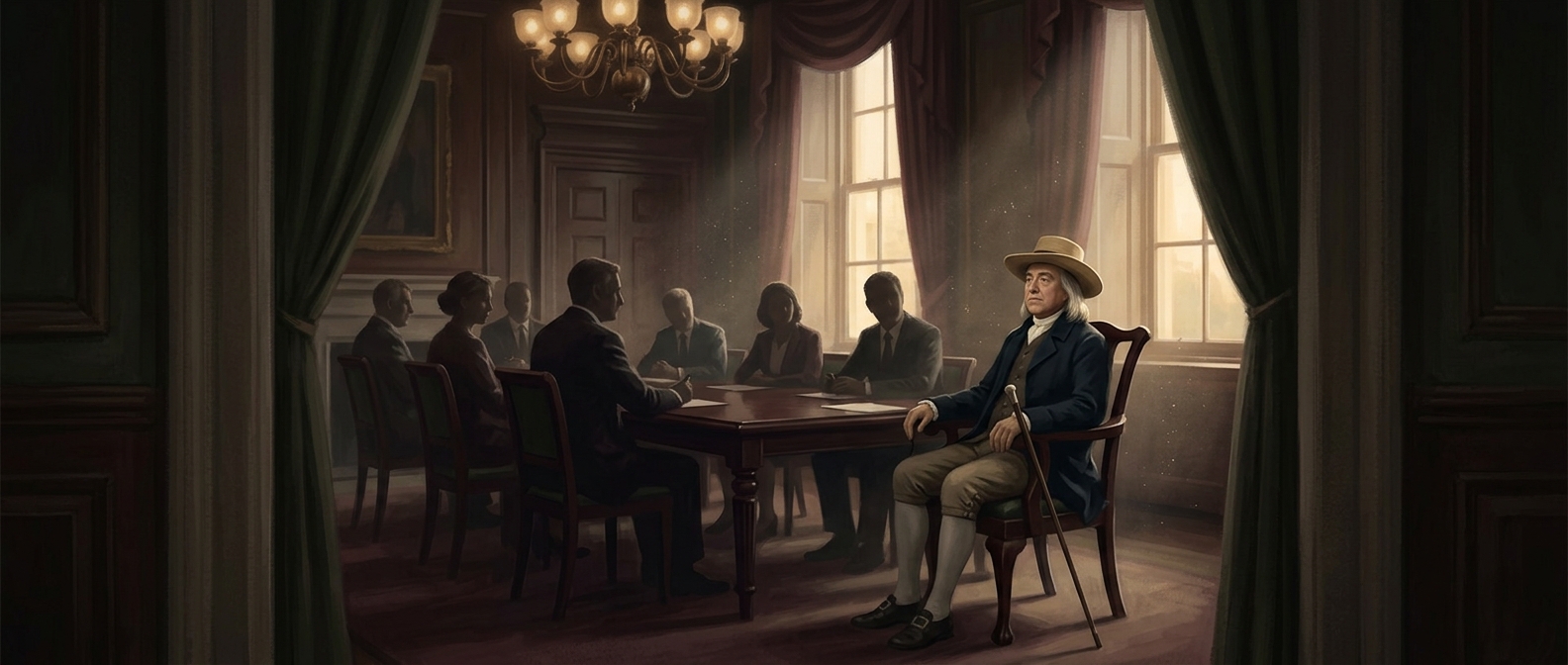
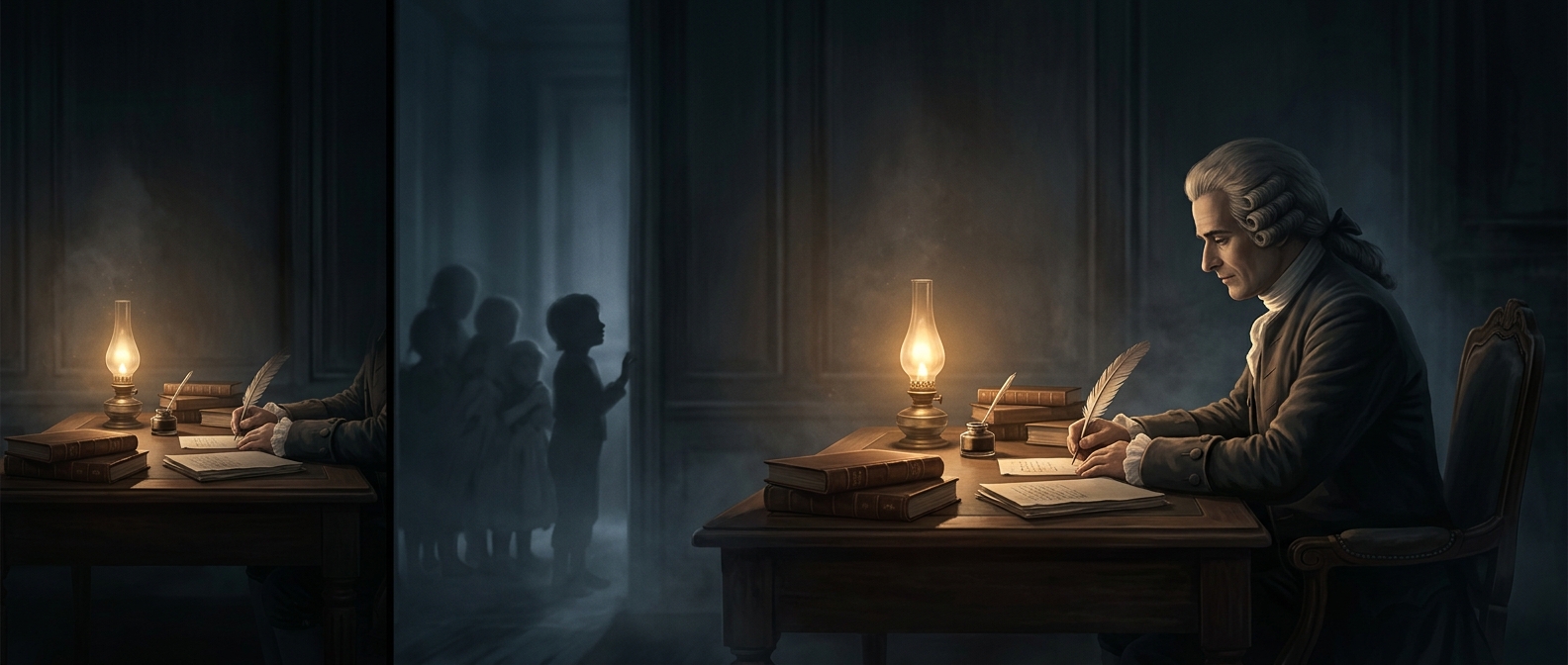
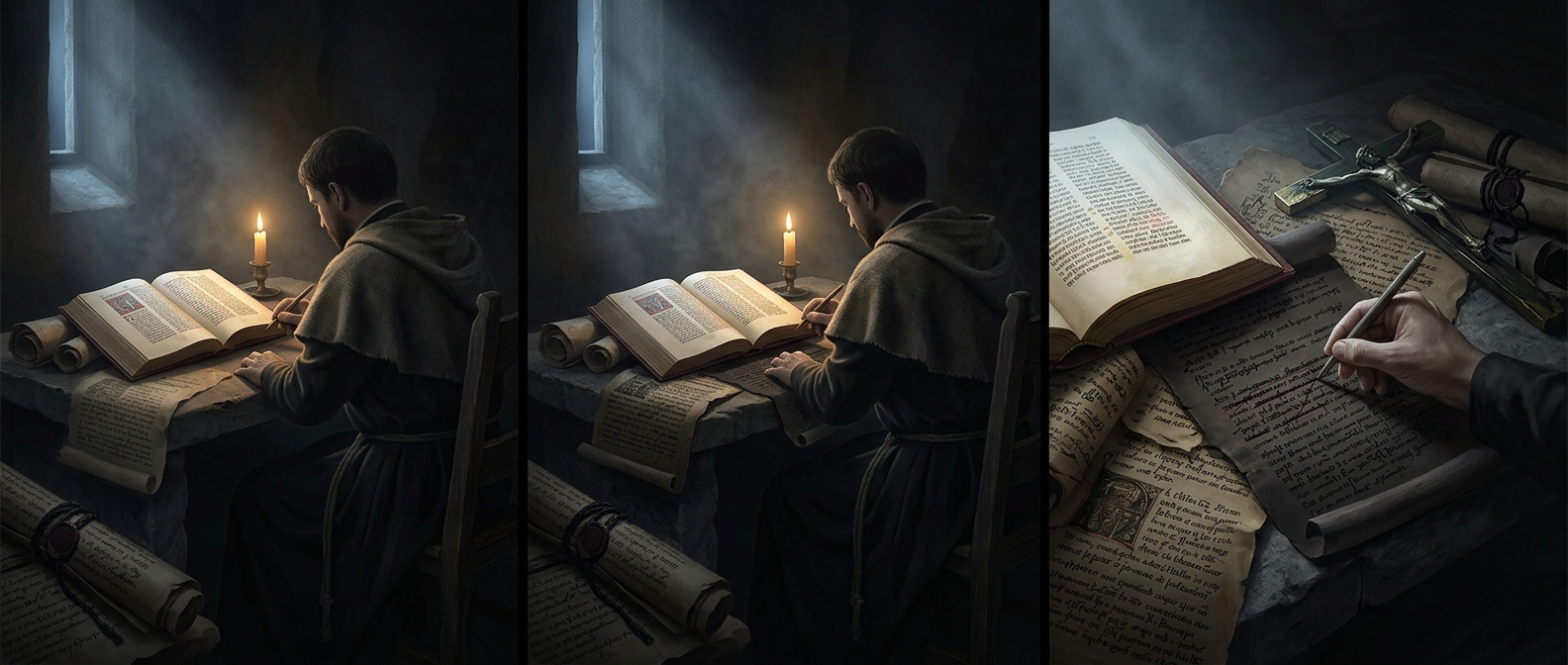
Jean Meslier served as a Catholic parish priest in the French village of Étrépigny. Yet the long manuscript he left behind, commonly known as his Testament, argued that God and the afterlife were inventions, and that religious authority helped keep ordinary people obedient. It was not a public debate staged by a famous philosopher: Meslier wrote his case while holding an office whose teachings he rejected.
That contradiction helps explain the manuscript’s force. Meslier’s attack was not limited to theology. He connected belief to power: when people were taught to accept suffering as part of a divine order, he argued, they were less likely to challenge the social arrangements that benefited clergy and rulers. His criticism of religion thus became a criticism of inequality.
A manuscript that outlived its author
Meslier died in 1729, and the work became known only after his death. Its circulation was risky in a society where open attacks on religion could bring severe consequences. The manuscript’s private form also let Meslier speak more bluntly than a priest addressing a congregation could have done. The deliberately shocking image of kings strangled with priests’ entrails turns his political argument into a threat to the alliance between throne and altar—not a polite appeal for reform.
The Testament later reached readers through copies and edited extracts, which did not always preserve Meslier’s full argument. That transmission shaped how people encountered him: a parish priest who had appeared to serve the Church left behind a sustained rejection of its authority. His most unsettling act was not simply to criticize religion, but to do so from inside the institution whose legitimacy he denied.