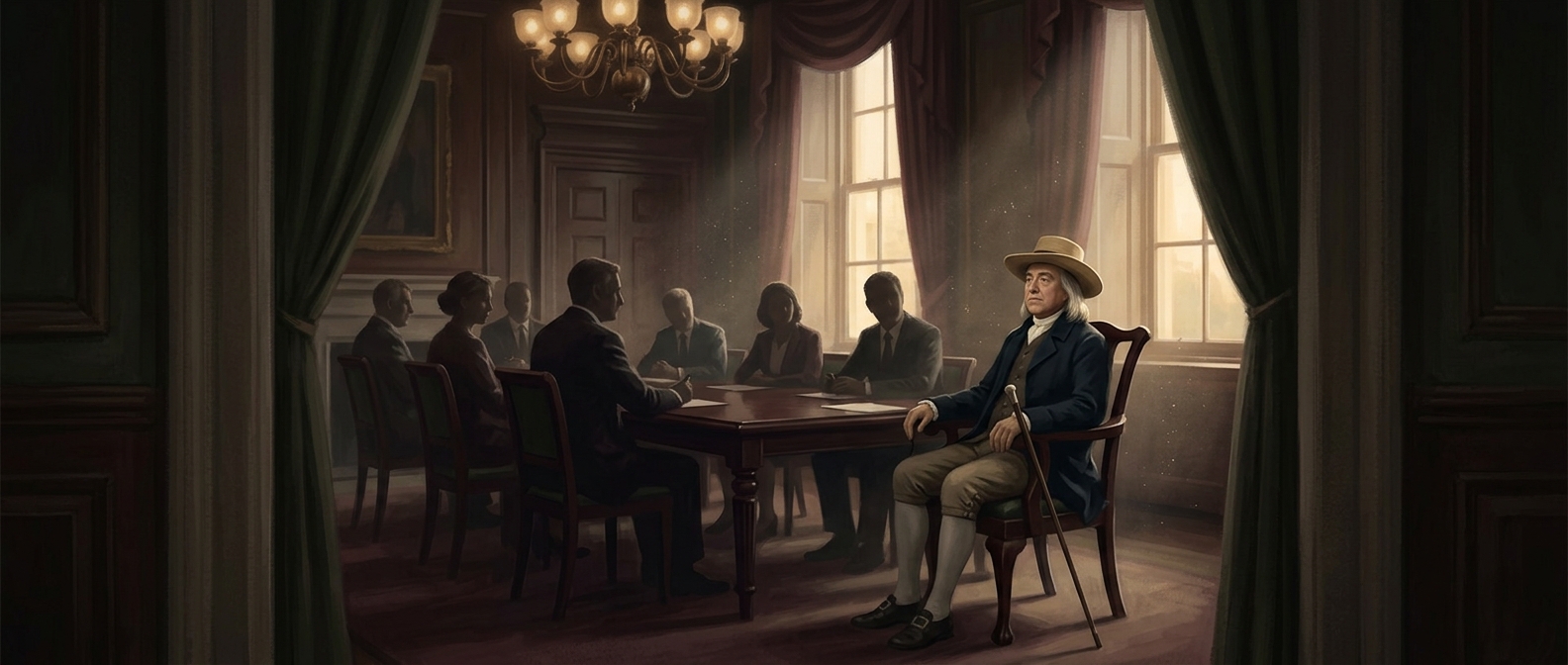
A Walk That Became a Neighborhood Cue
Immanuel Kant’s afternoon walk was famously regular: he followed a settled daily routine so closely that people in Königsberg were said to use his passing as a prompt to check their clocks. The story captures more than punctuality. A familiar person appearing at nearly the same time each day could serve as a practical time cue in a town where not everyone was consulting a precise clock at every moment.
Routine Made the Schedule Visible
Kant’s walk was one part of a tightly ordered day, not an isolated display of discipline. Because the routine repeated, its stages became predictable to people around him. The walk turned a private schedule into a public signal: neighbors did not need to know what Kant was doing next; they only had to recognize that he had reached this point in his day.
The clock story is best understood as a vivid local saying, not proof that residents literally synchronized every timepiece to him. Its lasting appeal lies in the image: a philosopher’s ordinary walk became so dependable that it seemed to measure the afternoon.