The night often came in two sleeps
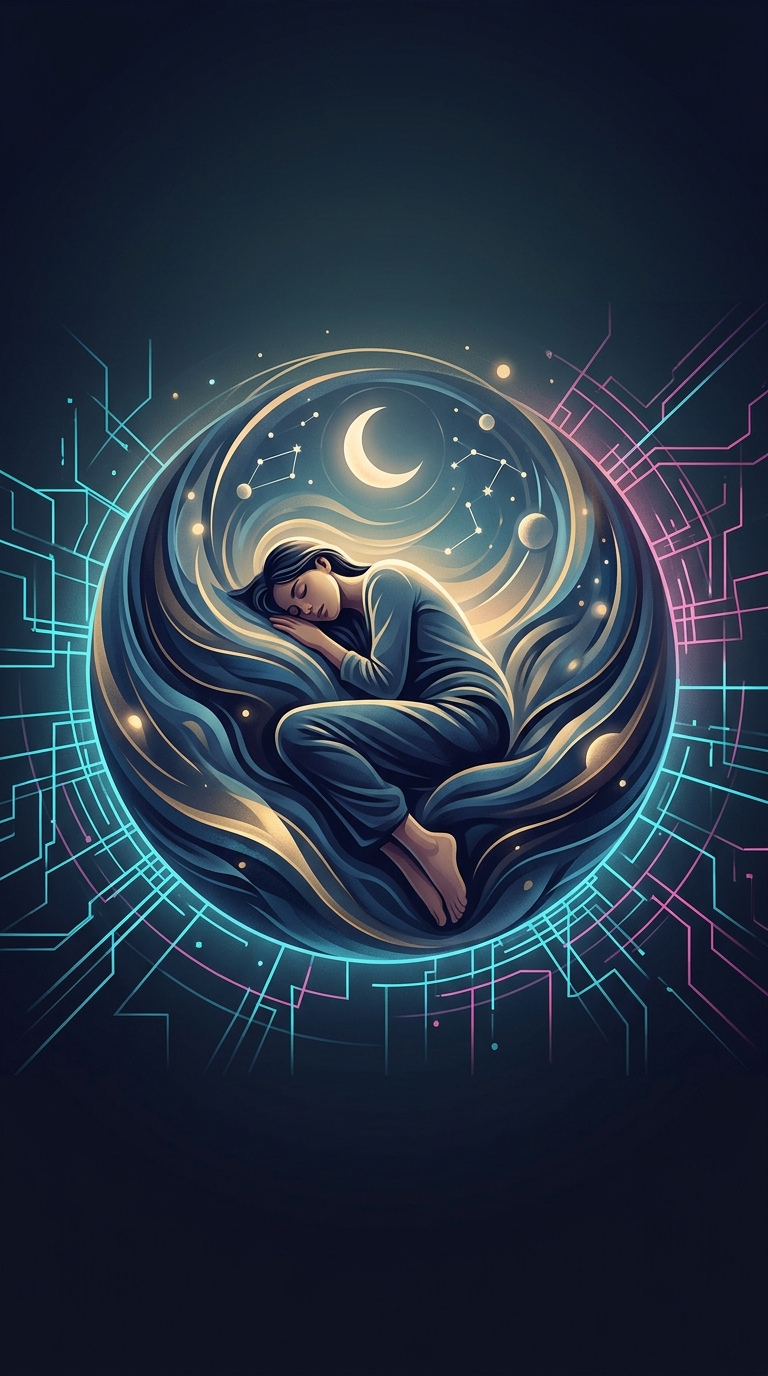
In many accounts of life before widespread artificial lighting, people did not necessarily sleep in one unbroken stretch. A common pattern was “first sleep,” a waking interval, and “second sleep.” People went to bed after dark, slept for a few hours, woke quietly for a while, then returned to sleep until morning.
The wakeful interval was not necessarily a sign of insomnia. It could be an ordinary part of the night, especially when darkness set the household’s schedule. People might pray, talk, tend a fire, or simply lie awake before feeling sleepy again. The exact timing and routine varied; this was a pattern, not a universal timetable followed by every person.
Darkness shaped the schedule
Before electric light made evenings bright and flexible, sunset sharply limited work and social activity. Long winter nights could leave more time for sleep than a single continuous stretch seemed to require. A middle-of-the-night waking period could fit into that dark span, followed by another sleep before dawn.
Artificial light changed the conditions. Lamps and, later, electric lighting made it easier to stay active after sunset, while industrial work increasingly organized daily life around fixed hours. Those changes helped favor a more consolidated night’s sleep—but they did not instantly or uniformly erase older habits.
A waking hour was not automatically a problem
Today, waking in the middle of the night can feel like evidence that sleep has gone wrong, partly because many people expect sleep to be continuous. The historical pattern offers a different possibility: some nighttime wakefulness may have been compatible with ordinary sleep, rather than something people always tried to eliminate.
It does not prove that everyone slept this way, or that one schedule is best for everyone now. It does show how strongly sleep can follow the light, work, and routines surrounding it. In a dark household, the quiet hours between two sleeps could be part of the night—not an interruption of it.