How artificial light changed the shape of sleep
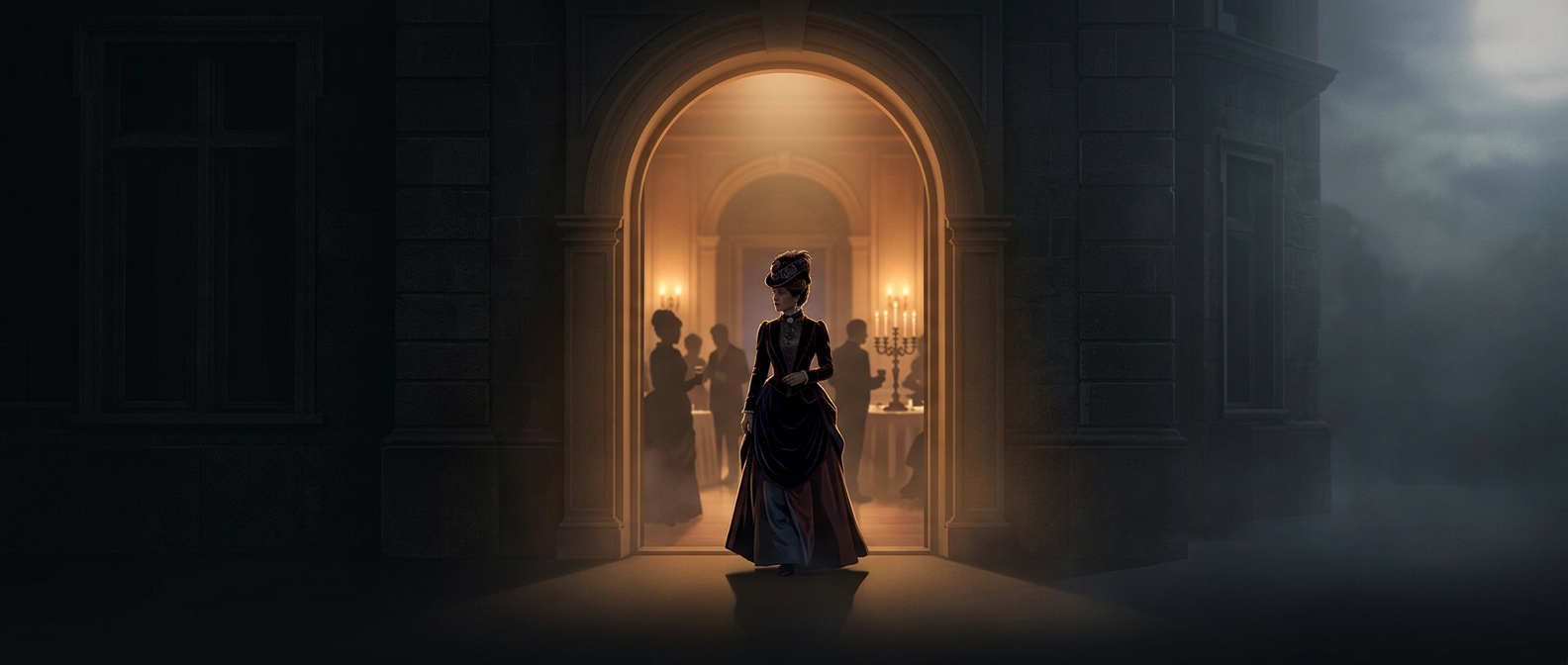
Before affordable artificial lighting became widespread, many people slept in two stretches rather than one uninterrupted block. Historical accounts describe a “first sleep,” a quiet waking interval, and then a “second sleep” before morning. The interval could include praying, talking, tending a fire, or simply lying awake; it was not necessarily treated as a problem to fix.
Long nights made that pattern practical. When darkness arrived early and lamps or candles were costly, people had fewer reasons to stay active late. Sleep could fill much of the night, with a natural pause in between.
From dark nights to one sleep period
Cheap lighting changed the evening. People could keep working, reading, and socializing after sunset, pushing bedtime later. As daily schedules increasingly favored a fixed morning start, sleep was more often organized as one continuous stretch that fit the hours available.
Light also affects the body’s timing system. Evening light can delay the release of melatonin, a hormone that helps signal nighttime to the brain, making it easier to remain alert later. That did not instantly erase a biological switch; it changed the conditions and routines around sleep.
The shift was not identical for everyone, and waking during the night did not vanish. But the familiar expectation of sleeping straight through became more common. Artificial light did more than brighten the night: it helped turn a long, flexible night into a scheduled block of sleep.