Locke’s bond with Damaris Masham
The married philosopher in Locke’s letters was Damaris Masham, an English thinker whose work engaged with questions about knowledge, religion, and women’s education. She was the daughter of philosopher Ralph Cudworth and, after marrying Sir Francis Masham, lived at Oates, the family home where Locke spent his later years.
Their connection was intellectual as well as personal. Masham was not simply a recipient of Locke’s ideas: she developed arguments of her own, and the two could write to each other as engaged thinkers. Their surviving correspondence uses language of affection and attachment, making the exchange feel more intimate than a formal debate between scholars.
What the letters can—and can’t—tell us
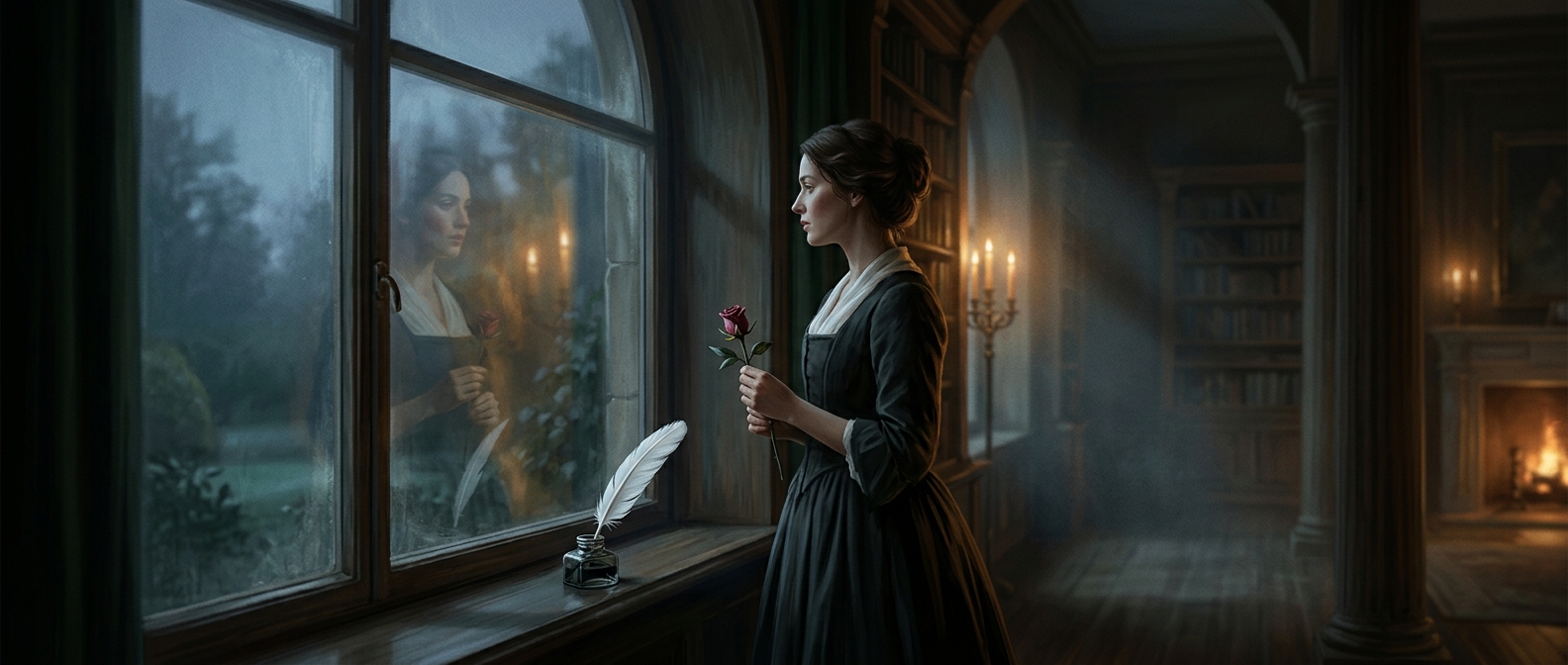
In an age when intellectual exchange often depended on letters, correspondence could carry several kinds of conversation at once: questions about ideas, news of daily life, and expressions of friendship. Locke’s letters to Masham show that a deep emotional bond could exist alongside marriage and shared intellectual work.
Their intensity invites speculation about romance, but the letters alone do not settle that question. What they do make clear is that Locke’s unmarried status did not mean he lived without close, consequential relationships. At Oates, he was part of a household where conversation with Masham joined private affection to serious philosophical exchange.