A closer look
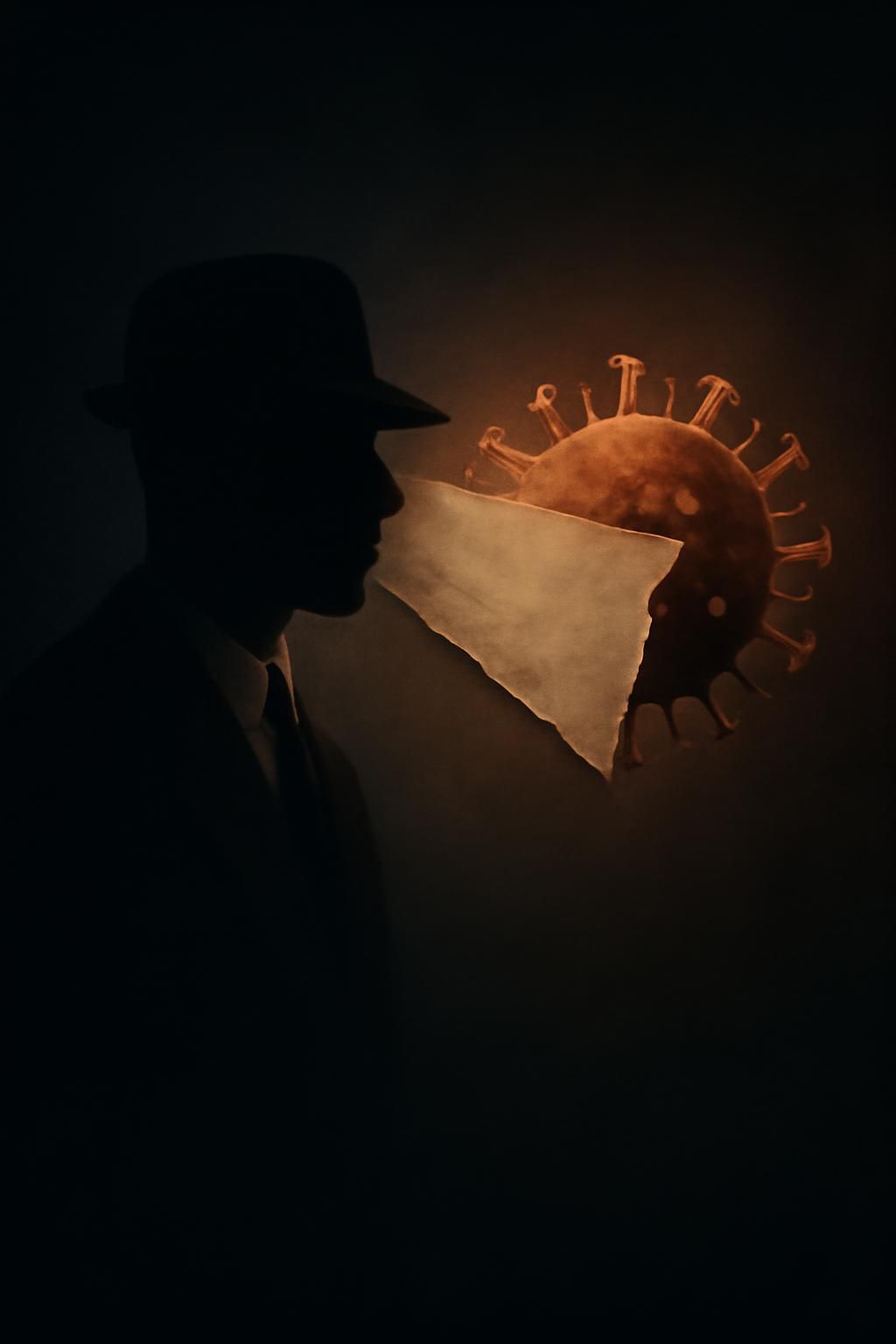
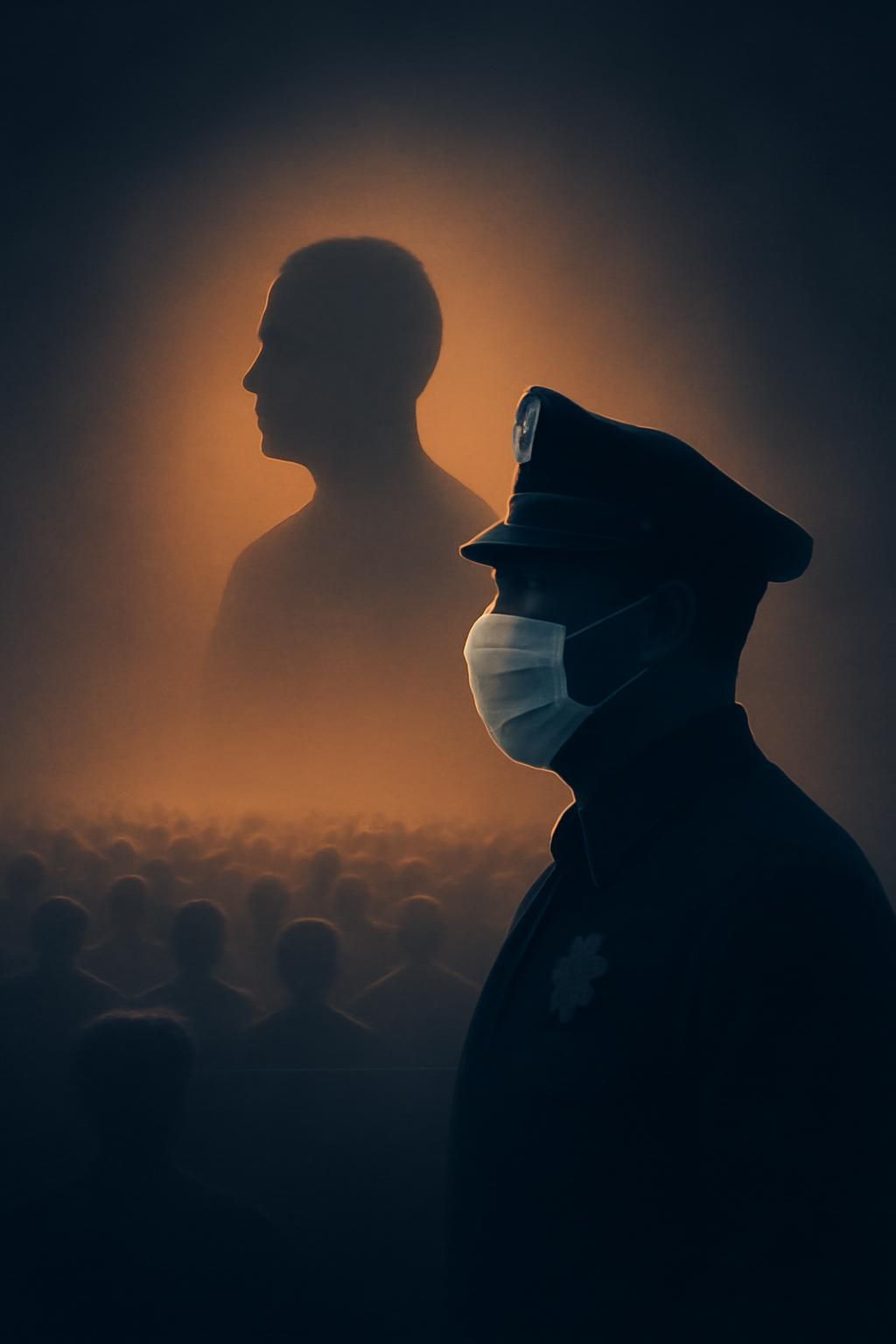
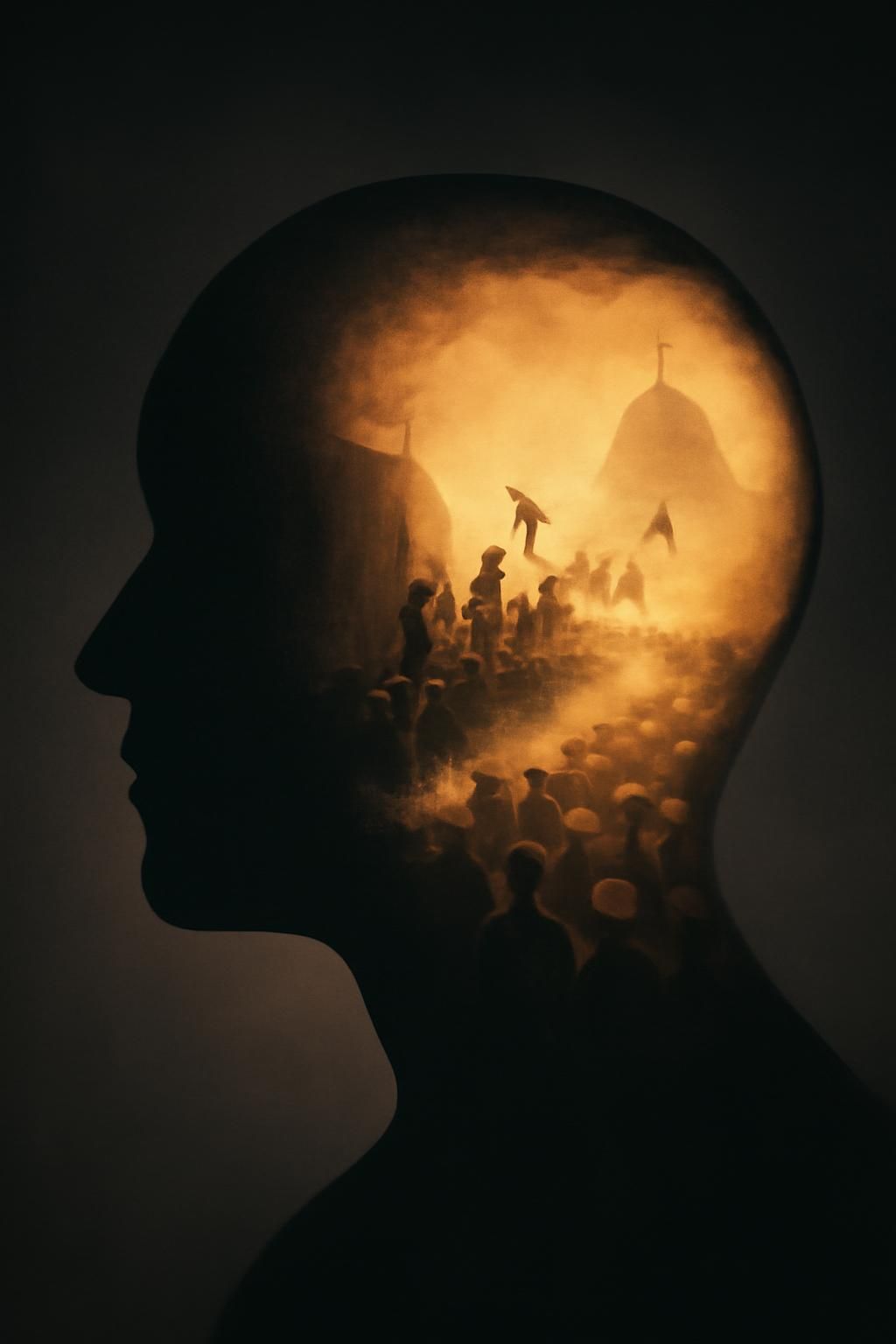
In 1918, people were so desperate to return to normal that they helped create the deadliest wave of the flu themselves. After the first outbreak eased, cities relaxed mask rules, reopened theaters, and held parades, convinced the worst was over. Within weeks, infections exploded; in Philadelphia, a massive war-bond parade turned into a super-spreader event that overwhelmed hospitals. Newspapers downplayed the crisis to maintain morale, so many families did not realize how dangerous gatherings still were until it hit their own street. The pattern is hauntingly familiar: pressure to save the economy, fatigue with rules, and leaders afraid of unpopular restrictions. Yet within a generation, much of that hard-earned knowledge faded from public memory. Pandemic amnesia is real; we like stories with clear endings, even when germs have other plans.