How San Francisco made masks a street-level rule
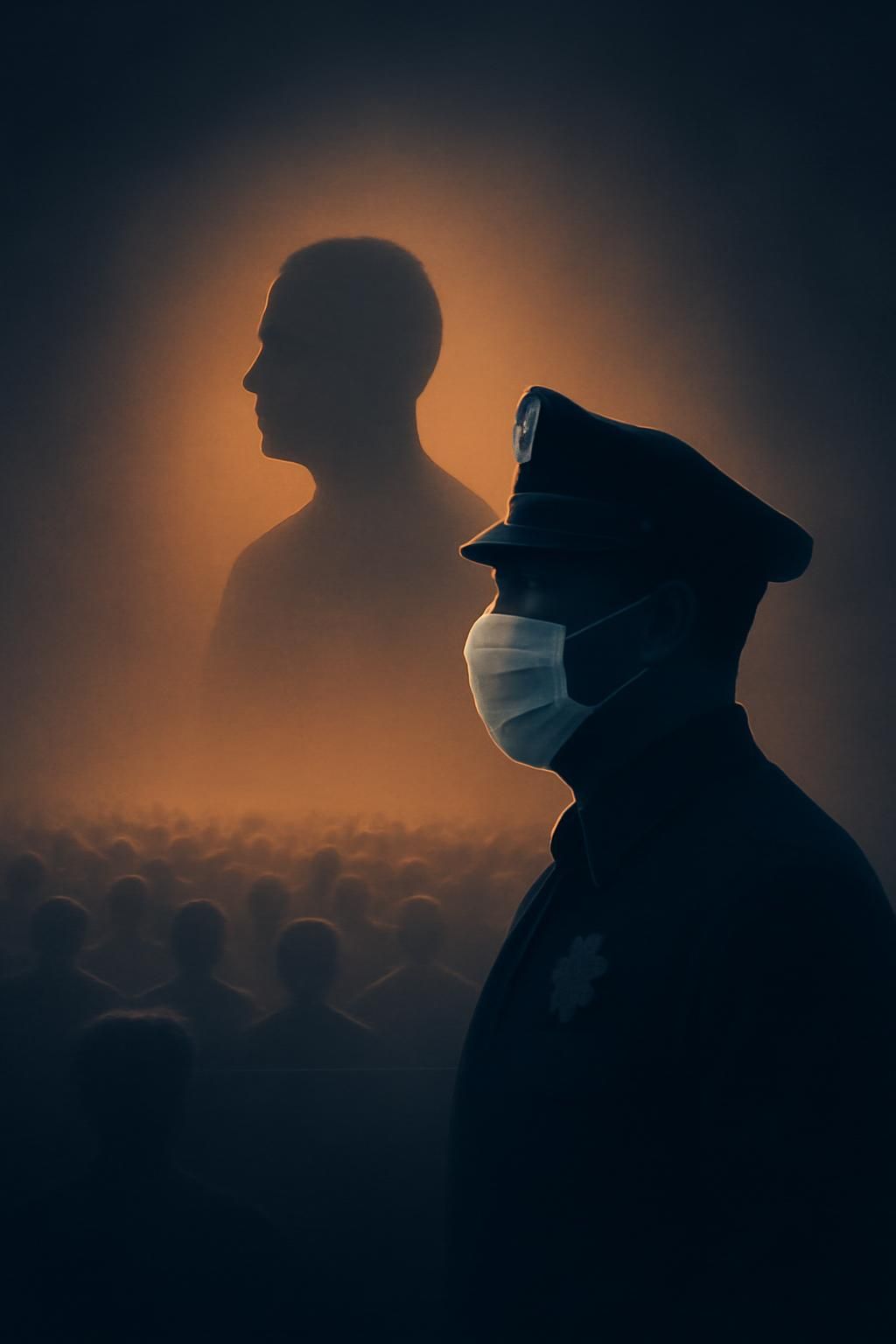
During the 1918 influenza pandemic, San Francisco required people in public to wear face coverings. The rule turned an invisible risk into something police could enforce: an uncovered face was visible, and walking outside without a mask could lead to arrest and a fine.
The public-health logic was straightforward. Influenza spread from person to person, including through droplets released when people breathed, spoke, coughed, or sneezed. A cloth or gauze mask was intended to intercept some of those droplets. It was not a perfect barrier, but officials treated widespread masking as one way to reduce transmission while people continued to share streets and public spaces.
A health measure became a political test
The mandate asked residents to accept a restriction on how they appeared in public for the sake of reducing risk to others. That made compliance more than a private choice: one person’s uncovered face could be viewed as a danger to everyone nearby, while enforcement brought government authority into ordinary street life.
Opponents organized through the Anti-Mask League, which drew a crowd large enough to fill a 3,000-seat venue. The league’s existence shows how quickly a measure aimed at controlling disease could become a dispute over personal freedom and the limits of public power. The conflict was not simply about whether influenza was dangerous; it was also about who should decide what individuals had to do in response.
The lasting lesson of an everyday rule
San Francisco’s experience makes the politics of public health unusually visible. A mask could be both a practical barrier against infection and a symbol of compulsion, depending on how a resident viewed the order. Because the rule was enforced in the street, the disagreement played out in public too: the face covering—or its absence—became a small, unmistakable sign of a much larger argument.