A closer look
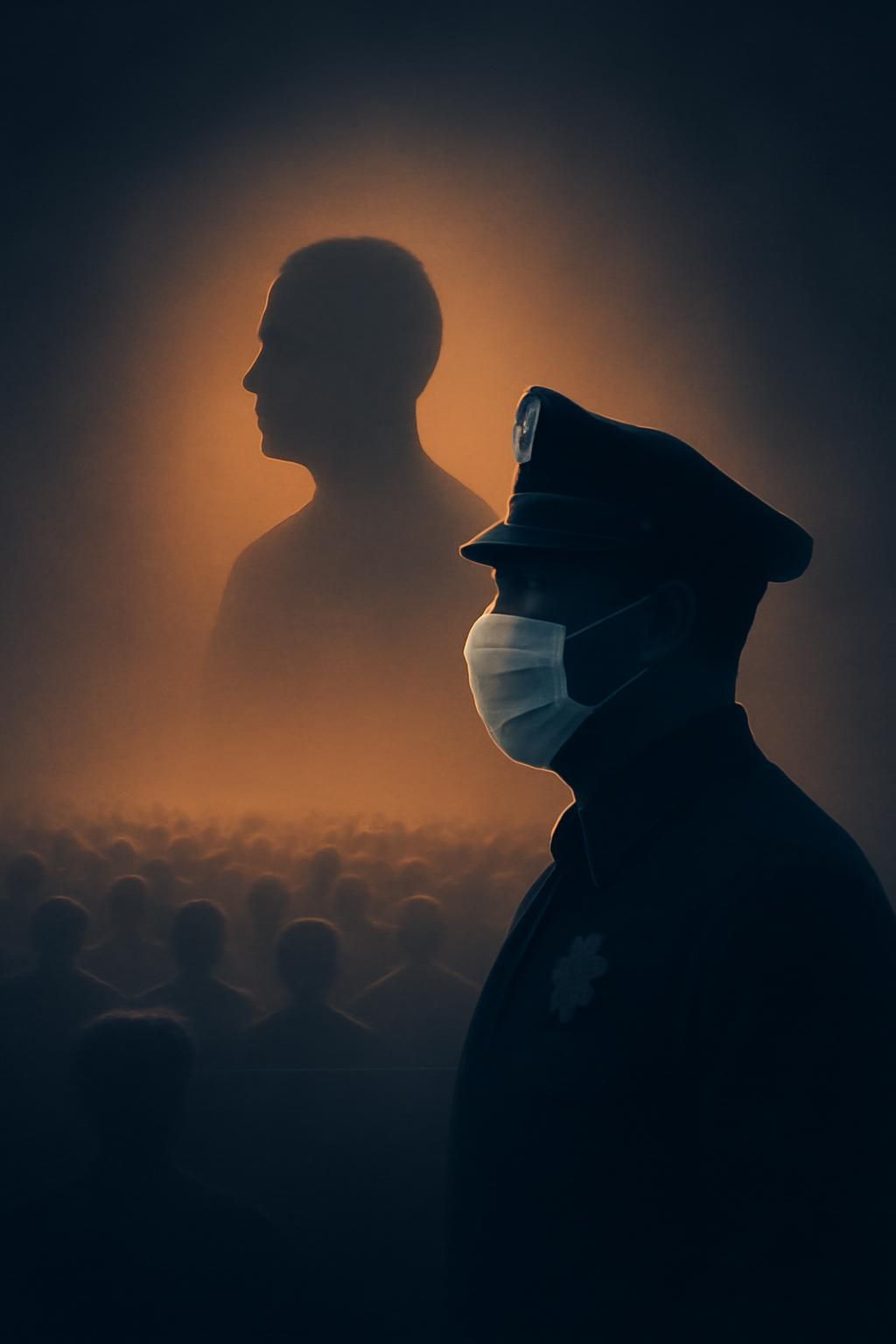
When we picture the 1918 flu pandemic, we imagine widespread closures, yet parts of the U.S. dared to keep schools open. The reason wasn’t rebellion—it was science. Many homes were cramped, smoky, and poorly ventilated, but schools had bigger windows, structured hygiene, and even medical oversight. For some children, classrooms were a healthier refuge than their own kitchens. This flips our modern expectations: protection didn’t always mean locking everyone away, but sometimes gathering them in places designed—albeit unintentionally—for better air. History sighs, reminding us that safety can wear surprising disguises.