A closer look
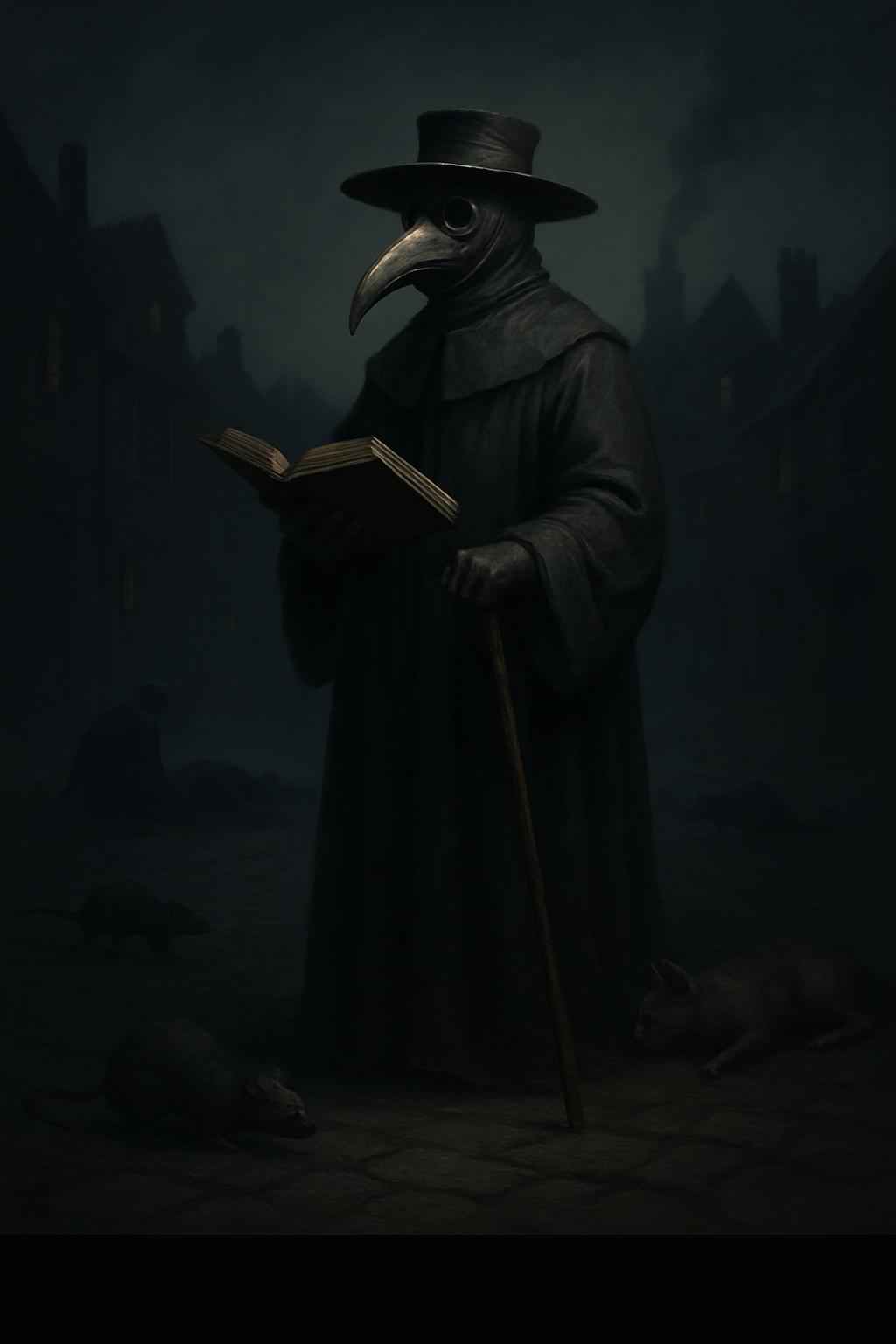
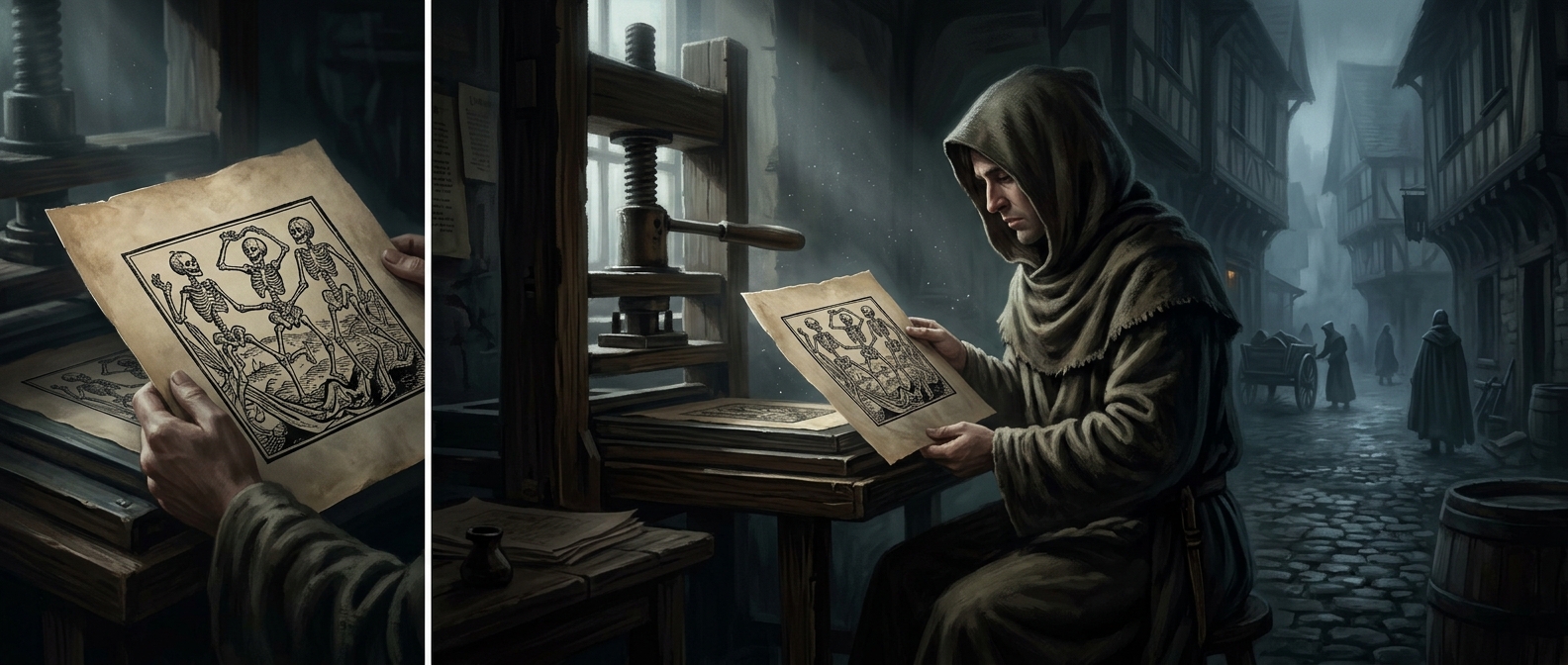
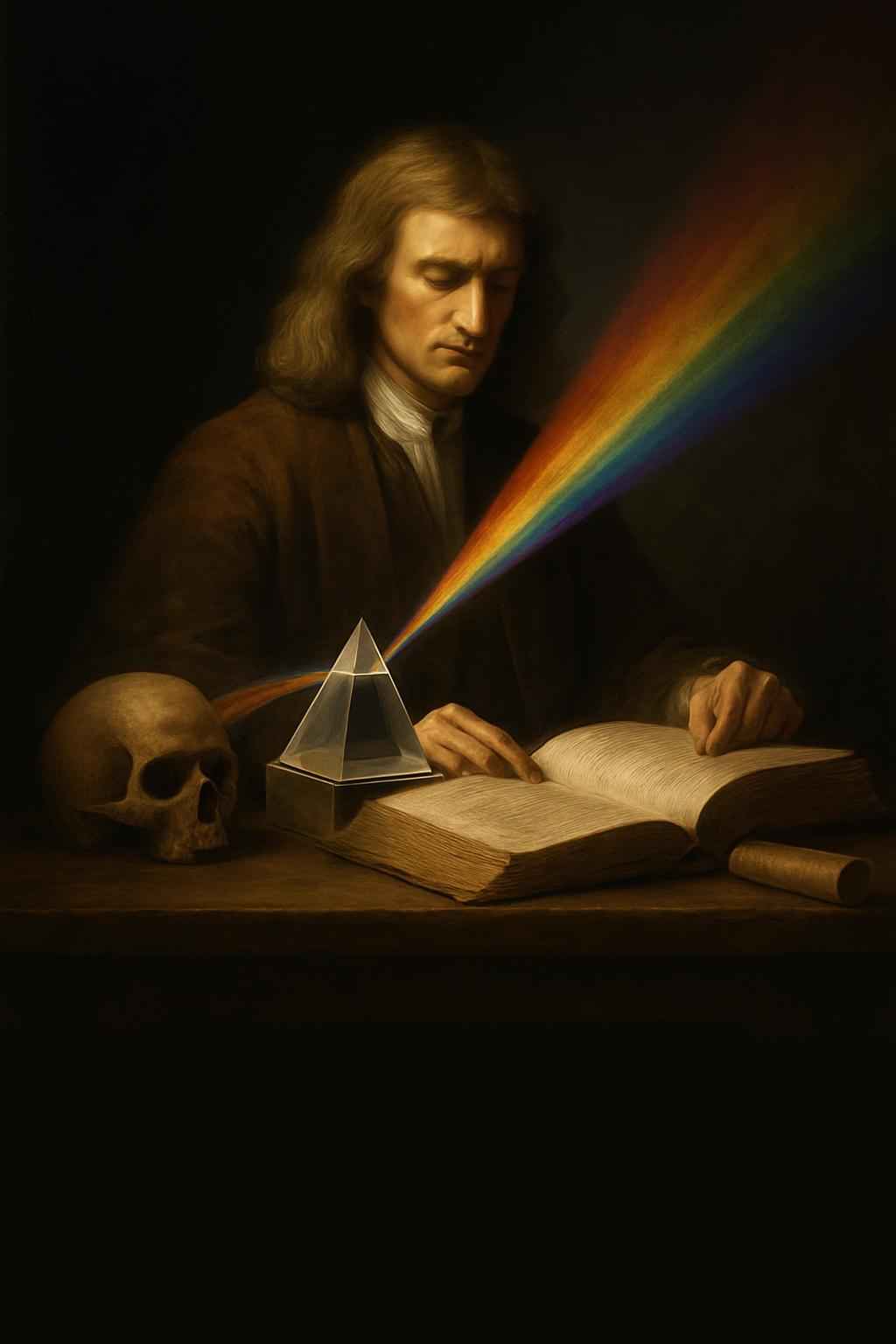
In 1665, Cambridge University closed during the Great Plague. Isaac Newton retreated to his family farm, isolated for over a year — and there discovered calculus, optics, and the laws of motion. It was the most productive lockdown in history. Throughout centuries, pandemics have paused empires yet accelerated discovery: Antonine Rome birthed medical reforms, the Black Death triggered labor revolts and modern capitalism, and 20th-century flu pandemics revolutionized public health systems. Ironically, forced isolation has often re-ordered civilization’s priorities. The pattern: every shutdown reprograms ambition — old hierarchies vanish, curiosity becomes survival, and the quiet minds looking inward turn disruption into creation.