A private encounter becomes public scandal
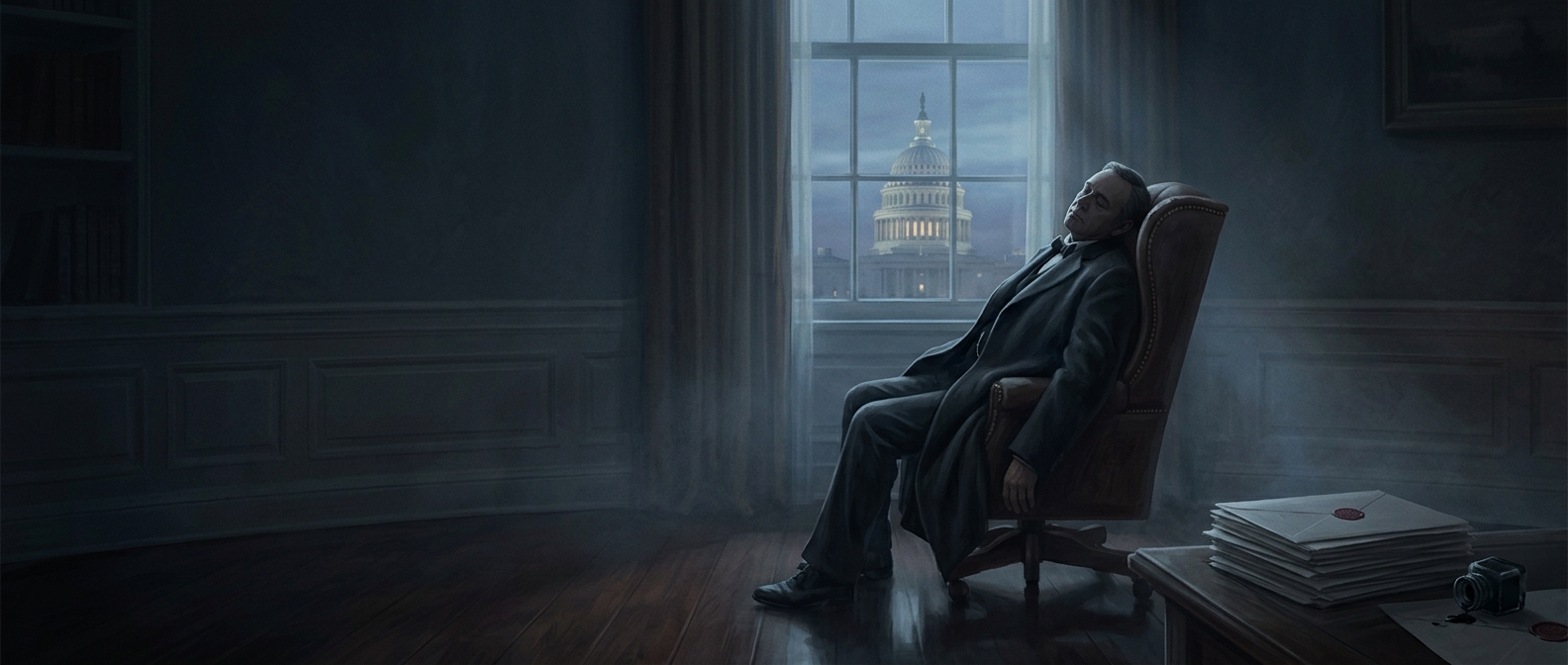
On February 16, 1899, President Félix Faure collapsed and died at the Élysée Palace, the French president’s official residence. He had been with Marguerite Steinheil, a married woman considerably younger than he was. The intimate circumstances spread quickly through Paris, turning a sudden death into a story about sex, status, and the vulnerabilities of the powerful.
Faure’s official cause of death was recorded as a cerebral hemorrhage—a bleed in the brain. The details of his final moments became harder to separate from rumor as the story circulated. That gap between a brief medical explanation and a vivid private scandal helped the episode endure in public memory.
Why the gossip mattered
The Élysée was meant to represent the dignity of the French state. Faure’s death there, in the middle of an affair, collapsed the distance between the formal office and the president’s private life. Gossip could travel faster than official explanations, and the setting made the story irresistible: this was not merely a politician’s indiscretion, but a national leader’s last hours inside the seat of government.
Faure’s successor, Émile Loubet, took office after his sudden death. Yet the transition was quickly overshadowed by the tale attached to Faure’s final moments. A president’s official residence had become the scene of a story that people could retell more easily than the details of his presidency.