A minister who could act in the sultan’s name
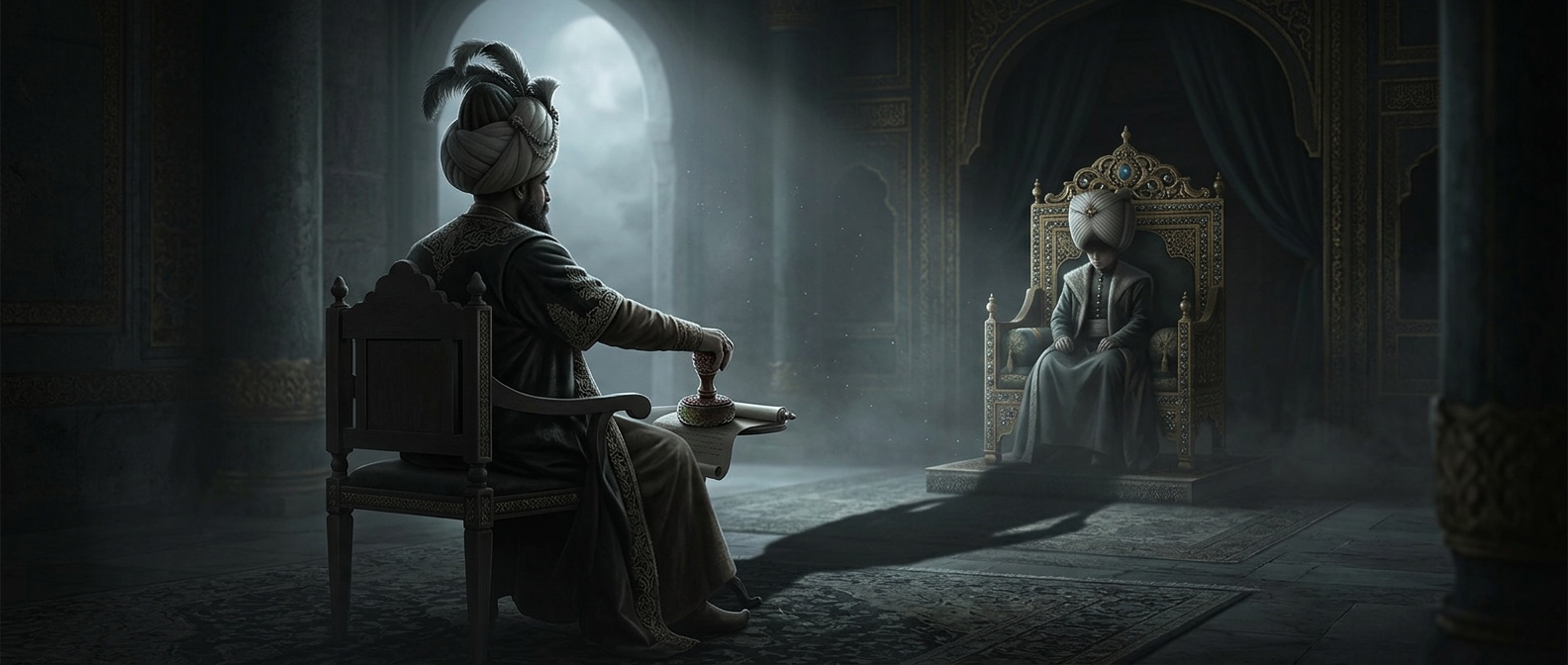
The Grand Vizier was not simply an adviser. As the empire’s chief executive, he coordinated the work of other officials and turned the sultan’s decisions into orders that could be carried out across distant provinces. The sultan’s authority remained supreme, but he could not personally manage every campaign, negotiation, or revenue dispute. Delegating those tasks made the Grand Vizier powerful—and made the office a practical hinge between the ruler and the state.
The vizier’s influence rested on delegated authority, not an independent right to rule. He chaired the Imperial Council, where senior officials discussed affairs of state, and could issue decisions in the sultan’s name. That let him shape which problems reached the ruler, how policy was put into effect, and which officials were held responsible when it went wrong.
Power without security
The same arrangement made the post precarious. A Grand Vizier needed the sultan’s confidence to keep exercising authority; losing it could mean dismissal, confiscation of property, or execution. The threat was not a routine sentence for any single mistake. It reflected the ruler’s power to punish a senior servant he judged disloyal, ineffective, or politically dangerous.
That danger also served the state’s interests: the sultan could place a capable administrator in command without surrendering ultimate control. But it encouraged caution and made the vizier’s standing vulnerable to court rivalries and military setbacks. The office concentrated power precisely because the sultan could withdraw it—and punish its holder—at will.