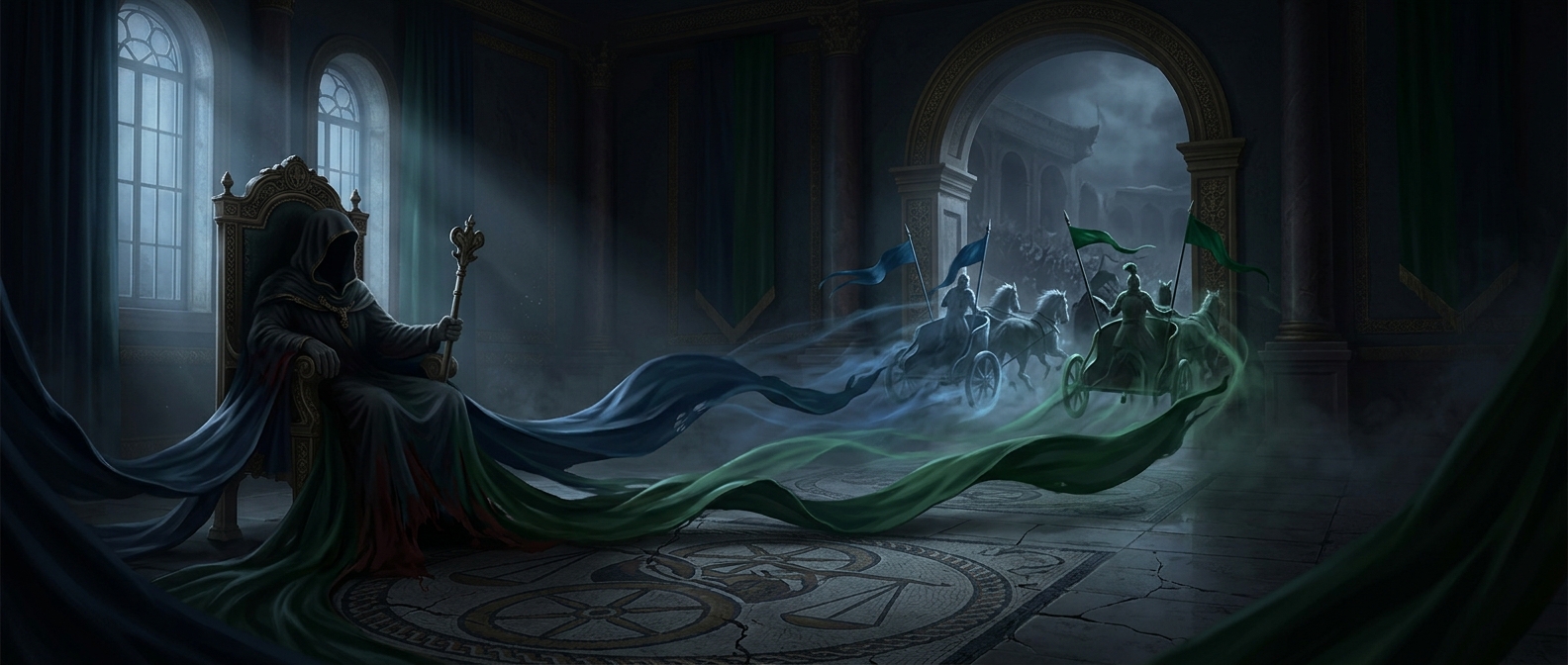
How the Circus Became a Political Arena
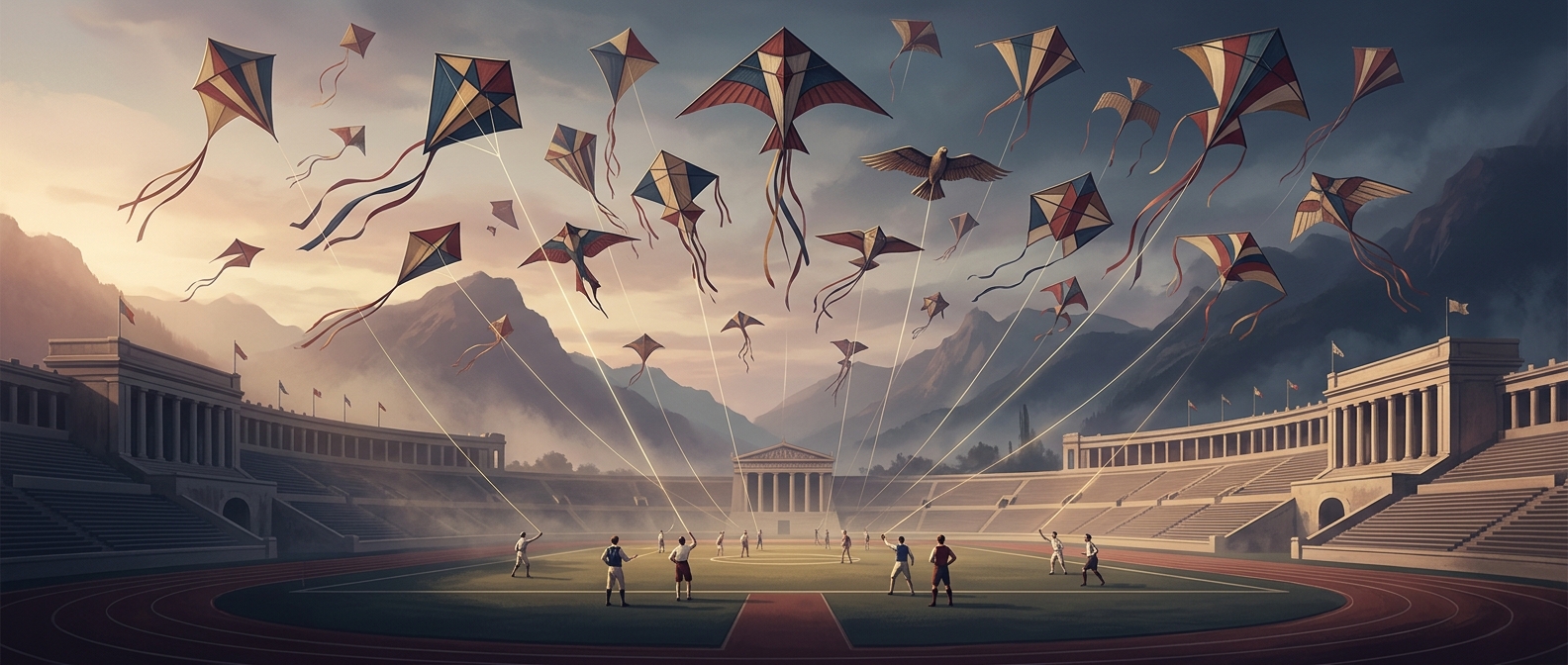
In Constantinople, chariot races were more than entertainment. The Blues and Greens were the most prominent racing factions: organized communities whose supporters gathered around teams, shouted in the Hippodrome, and carried their rivalries into the streets. The Hippodrome stood beside the imperial palace, so a crowd there was not far from the seat of government.
The factions could give people a way to make demands collectively. Their size mattered: emperors needed public order in the capital, and a stadium crowd could become a citywide force when anger spread beyond race day. The same networks that rallied fans could help turn a dispute into a political crisis.
When Rival Fans United
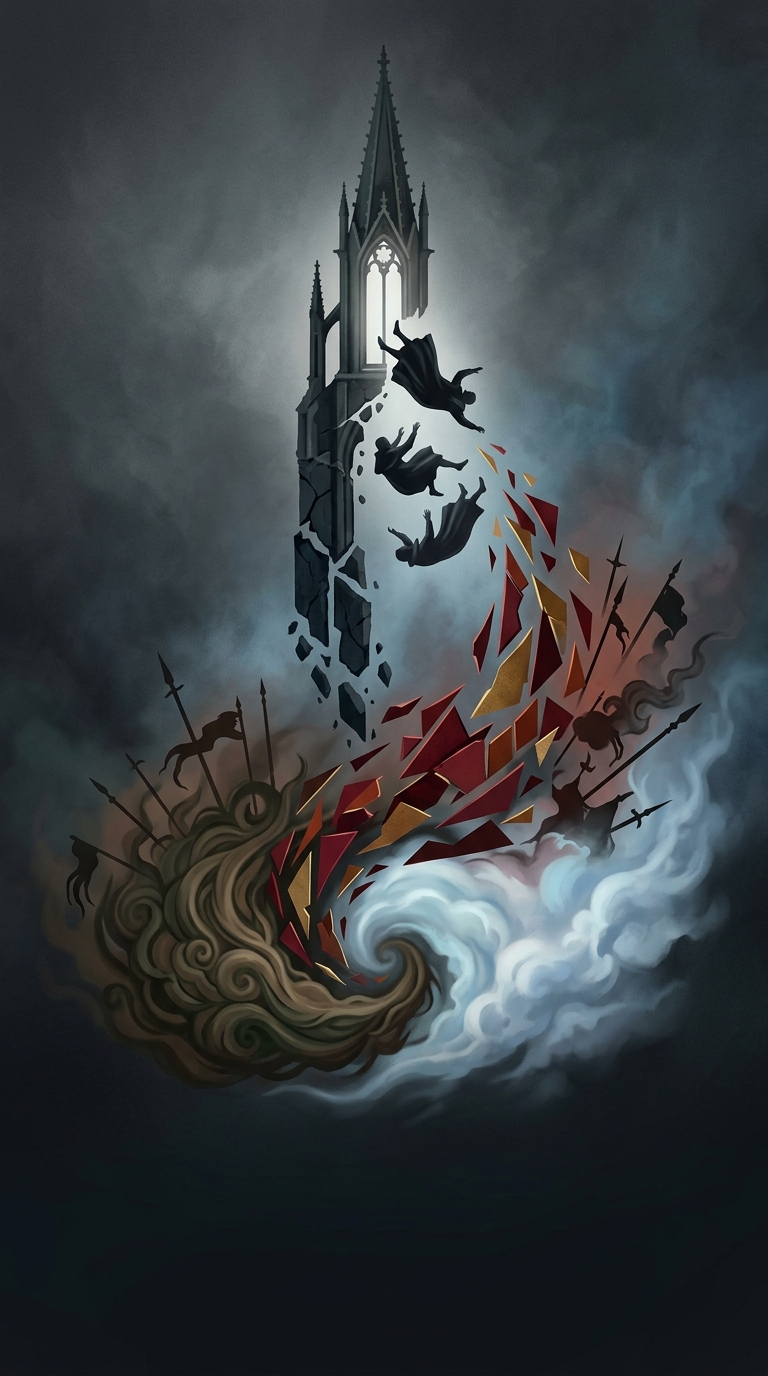
That danger became unmistakable in 532, during the Nika revolt under Emperor Justinian. After arrests and executions connected to earlier unrest, Blues and Greens who normally competed against each other joined in protest. The rebellion escalated into fires and violence, and the crowd backed a rival claimant to the throne.
Justinian’s rule was suddenly at risk. The palace tried to calm the unrest, including by removing officials blamed for provoking it, but concessions did not end the revolt. The emperor ultimately survived by crushing the uprising; the episode was not simply a victory for fans at the bargaining table.
The political lesson was stark: racing factions could be treated as constituencies when their support helped maintain order, but once a crowd challenged imperial rule, the response could turn from accommodation to force. A dispute born in the Hippodrome had become a contest over who would govern the empire.