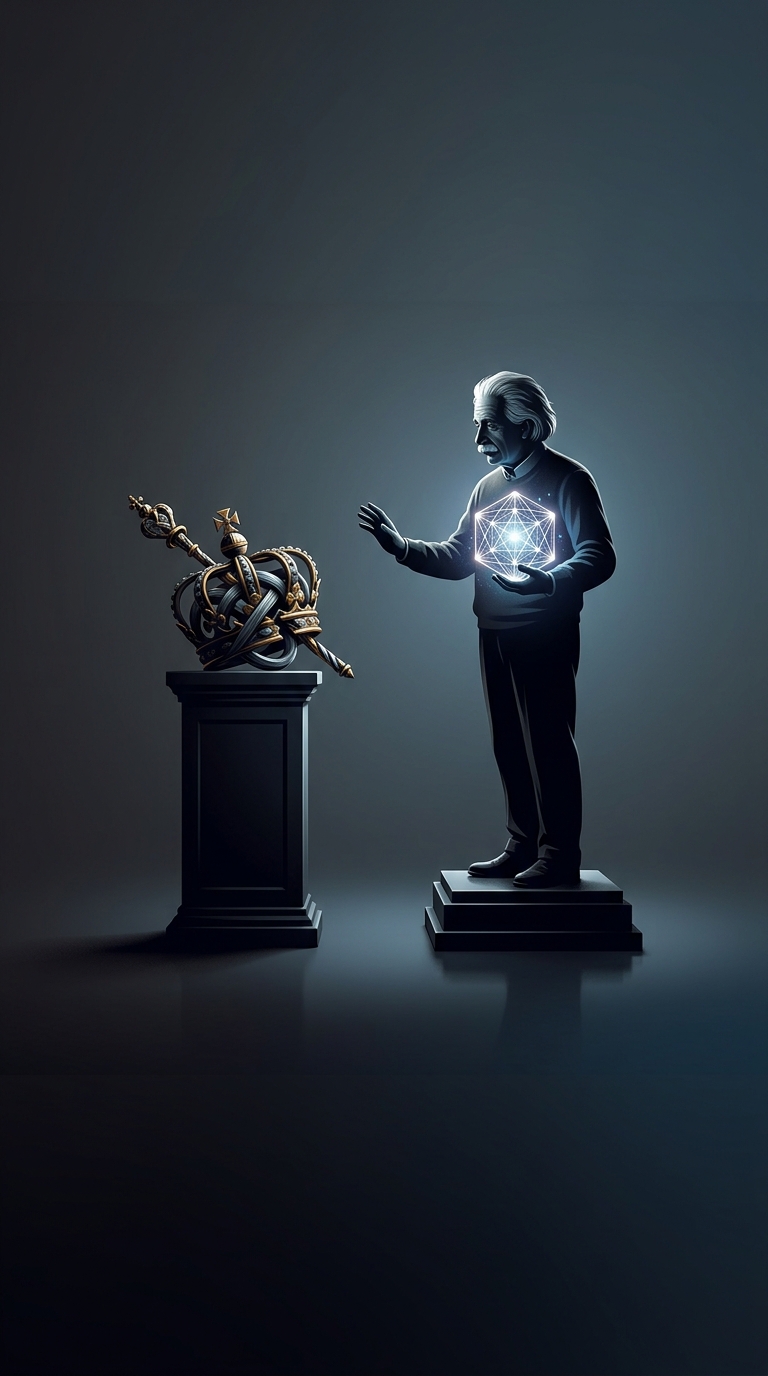
A presidency built on public trust
When Israel’s first president, Chaim Weizmann, died in 1952, the country’s leaders turned to Albert Einstein as a possible successor. The offer was striking because Einstein was known worldwide for physics, not government. But the presidency was not the office that directed the country’s day-to-day policy: that work belonged chiefly to the prime minister and cabinet. The president served as head of state, representing the nation and carrying out formal constitutional duties.
That distinction made Einstein’s reputation relevant, but it did not make the job a scientific appointment. A president had to meet people, speak for a young country and navigate its political and civic life. The role depended on judgment and public connection as well as prestige.
Why Einstein said no
Einstein declined, saying he lacked the aptitude and experience to deal with people. His answer recognized a gap that fame could not fill: being admired for explaining the physical world was different from representing a society with competing needs and expectations.
The offer also reflected the unusual weight Einstein’s name carried. He was a prominent Jewish intellectual and a supporter of Jewish cultural life, so asking him signaled how much symbolic authority Israel hoped its president would embody. Yet the presidency still required a person willing and able to perform its human, public-facing work. Einstein’s refusal drew a clear line between being a powerful symbol and being suited to the responsibilities attached to one.