How Einstein’s brain became a traveling specimen
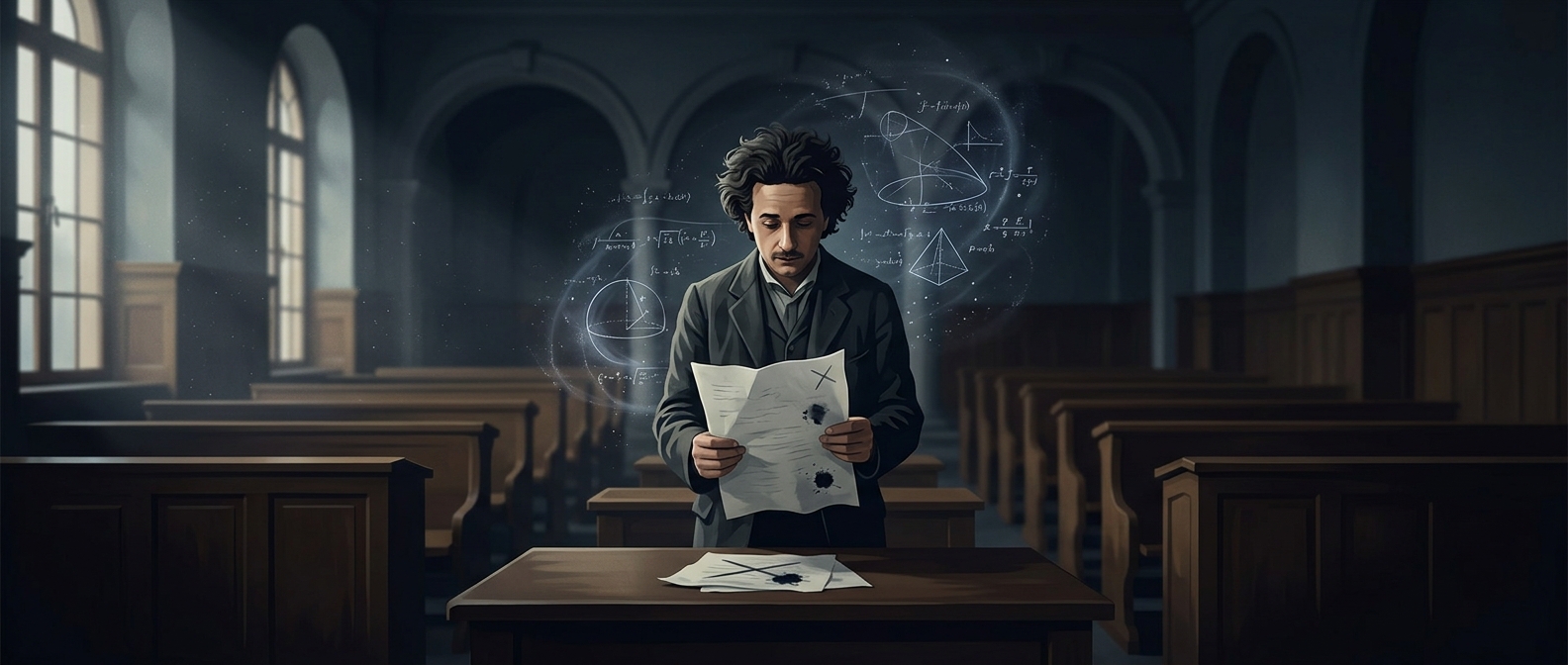
When Albert Einstein died in 1955, pathologist Thomas Harvey performed the autopsy and removed his brain. Einstein’s family had not authorized that removal. Harvey later said Einstein’s son, Hans Albert, gave permission for research, but the circumstances and scope of consent were disputed. What began as an unauthorized act thus became a prolonged effort to justify and pursue scientific study.
A research project divided into pieces
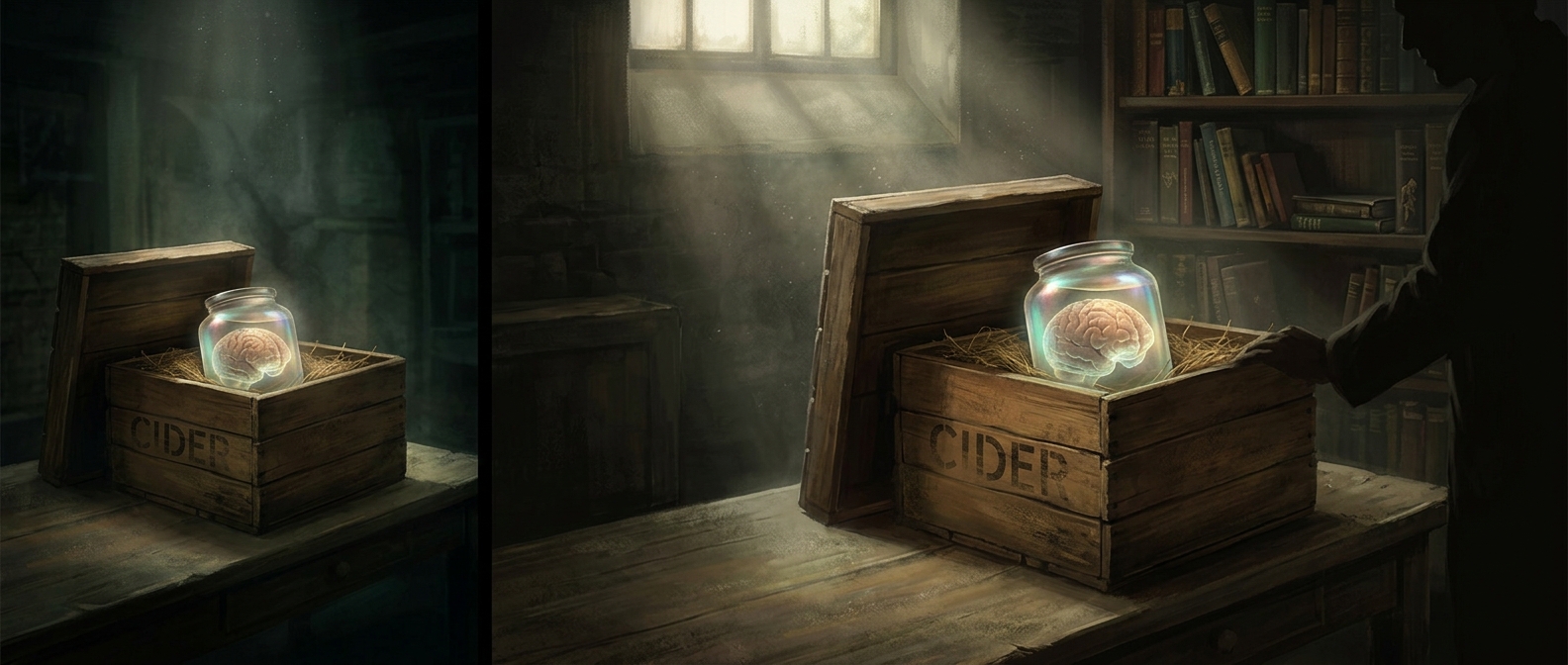
Harvey preserved the brain, photographed it, and cut it into hundreds of sections. He kept many pieces in jars, while thin slices were prepared for examination under a microscope. This made it possible to send samples to other researchers without shipping the entire organ. Harvey sometimes mailed those samples to scientists who hoped to investigate whether Einstein’s brain had anatomical features that might help explain his exceptional abilities.
The method also shaped the research: each scientist could examine only the fragment received, and comparisons depended on how the tissue had been preserved and documented. A small sample could prompt a claim about a local feature, but it could not by itself establish what made Einstein unusually intelligent.
The cost of keeping the project alive
Harvey’s custody of the brain lasted for decades, as he moved and portions were stored in different places. The arrangement blurred the line between private possession and scientific stewardship. Researchers gained access to material that would otherwise have been unavailable, but the brain’s removal and distribution raised a more basic question: who had the right to decide what happened to a person’s remains?
The jars were not merely a macabre keepsake. They were the physical infrastructure of a research project—and a reminder that scientific curiosity does not settle questions of consent.