A border neither government could reliably control
The Florida frontier was more than a line on a map. Spanish officials held the peninsula, but the United States was expanding south, while people and armed groups crossed the border with little regard for either government’s authority. Spain’s limited ability to police the region made disputes over raids, fugitives, and incursions difficult to contain through ordinary diplomacy.
The problem sharpened in 1818, when U.S. forces under Andrew Jackson entered Spanish Florida during the First Seminole War. Spain protested the invasion, but the episode also exposed how little practical control it could exert there. Negotiators needed to address both the territory itself and the wider boundary between the countries.
A settlement built from claims and concessions
Under the agreement known as the Adams–Onís Treaty, the United States took responsibility for resolving American citizens’ claims against Spain, up to the stated $5 million limit. That was not a payment to Spain: it was a way to settle claims without requiring the Spanish government to hand over cash as part of the deal.
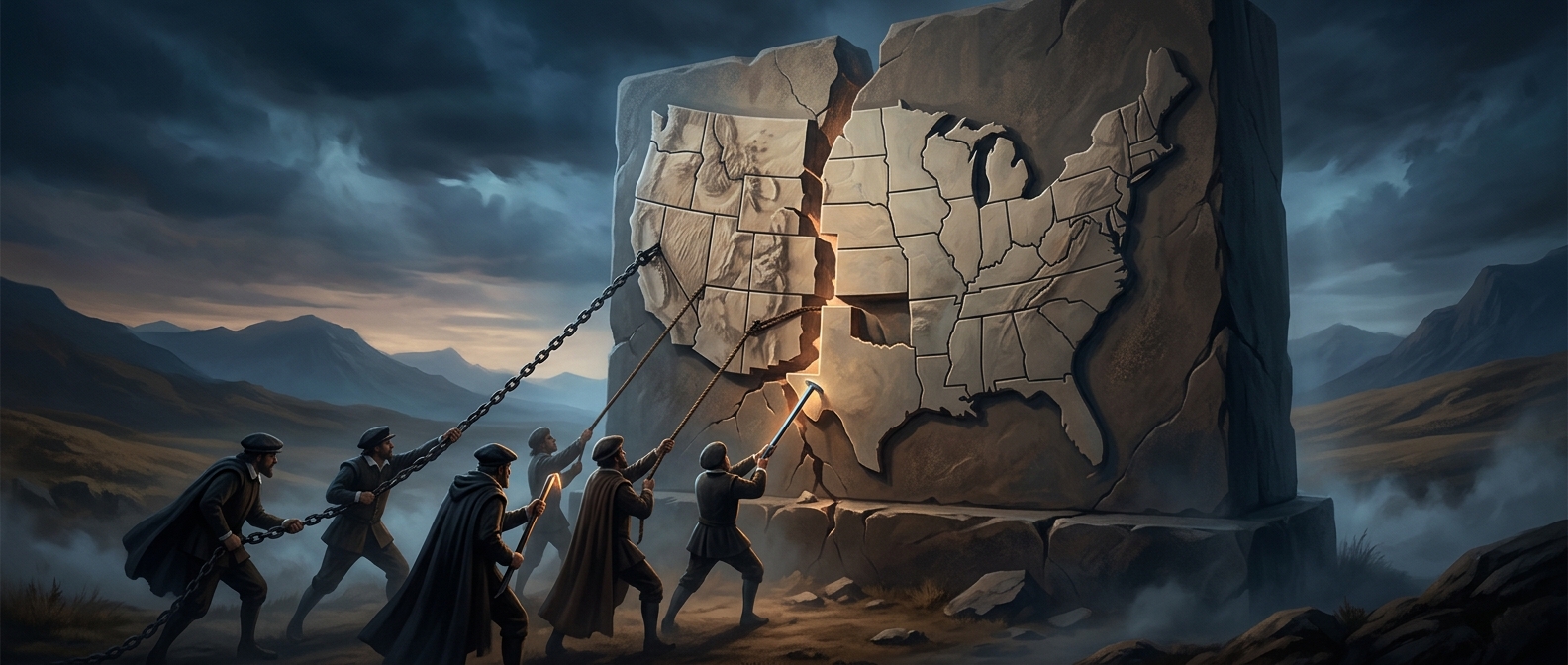
The territorial exchange reached beyond Florida. Spain gave up its claims to Florida, while the United States gave up its claim to Texas; the treaty also set a boundary between the countries’ North American territories. The arrangement converted a volatile, disputed frontier into a line both governments had formally accepted.
What the agreement changed
The treaty was signed in 1819 and took effect in 1821, after ratification. It did not instantly make the border peaceful or resolve every conflict involving the people who lived there. But it removed the competing U.S. and Spanish claims that had made Florida a recurring source of diplomatic friction.
Its unusual price tag captures the bargain: rather than send Spain money, the United States agreed to handle claims by its own citizens—and secured a territorial settlement that clarified where its expansion could proceed.