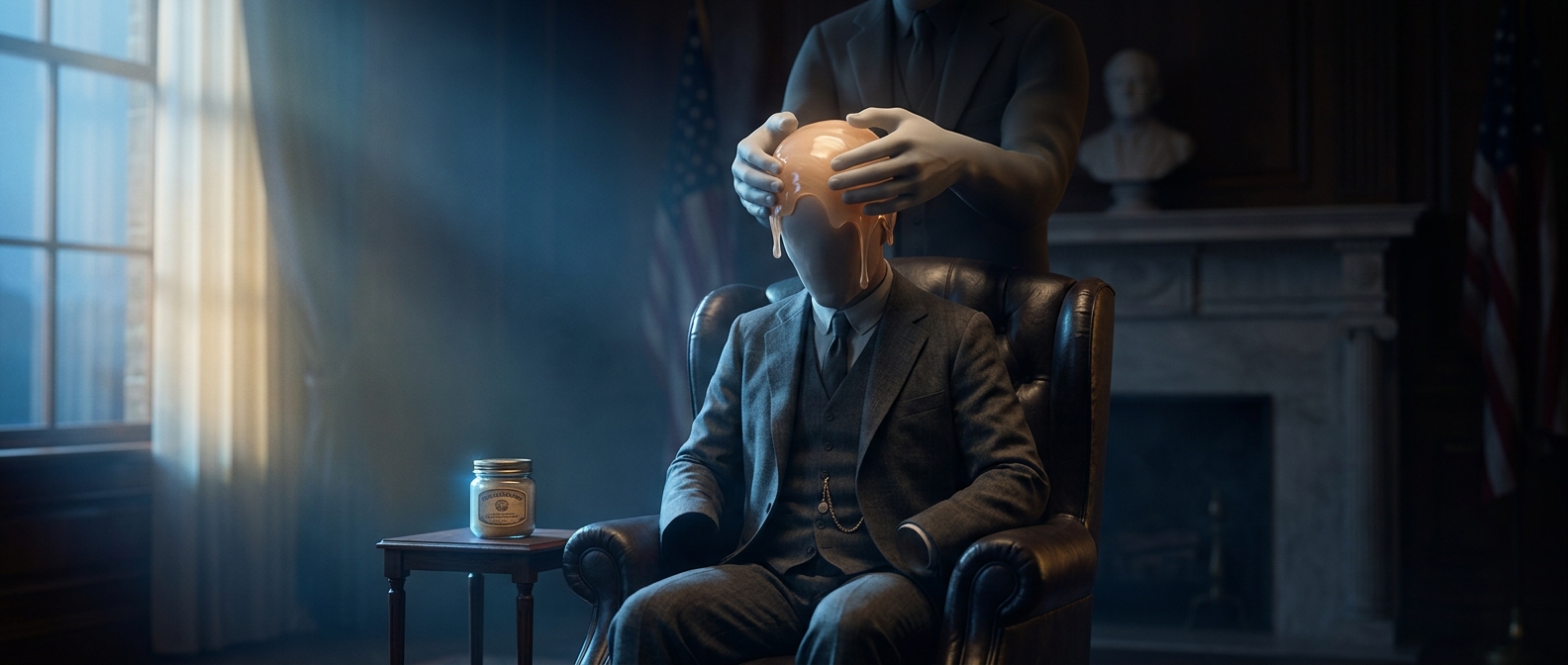
The disability Roosevelt’s public image concealed
Franklin D. Roosevelt could not walk unaided. After an illness in 1921, commonly identified as polio, he lost the use of his legs. He could sometimes stand with heavy leg braces and support, but walking was difficult and exhausting. In private, he used a wheelchair; in public, those around him carefully managed how his mobility appeared.
The concealment was practical as well as political. Roosevelt’s aides helped him rise and move, while lecterns and other supports gave him something to grip. At public events, he might take a few supported steps, appearing to move under his own power. Photographers were often reluctant to capture him in a wheelchair, and images showing his disability were scarce. The result was not that everyone was unaware—family, staff, and political associates knew—but that many Americans rarely saw the full extent of it.
A presidency built around careful staging
The arrangements required planning. Roosevelt had to conserve energy, and transitions between a car, a platform, and a speaking position could be physically demanding. His team chose settings and routes that limited the need for him to walk. When he addressed the nation by radio or spoke from behind a desk, the public could hear the president without seeing the assistance his body required.
That strategy reflected the political expectations of the time: visible physical weakness could be treated as evidence of weakness in leadership. Roosevelt and his advisers had reason to protect his image, particularly during a crisis when confidence in the president mattered. Press conventions also played a role; many reporters and photographers honored requests not to publish images that exposed his limitations.
The hidden story was therefore not simply a secret kept by one person. It was a carefully maintained public image, supported by aides, media habits, and Roosevelt’s own determination to remain visibly in command. The contrast is striking: a president who relied on extensive physical support could still project authority to millions through a microphone.