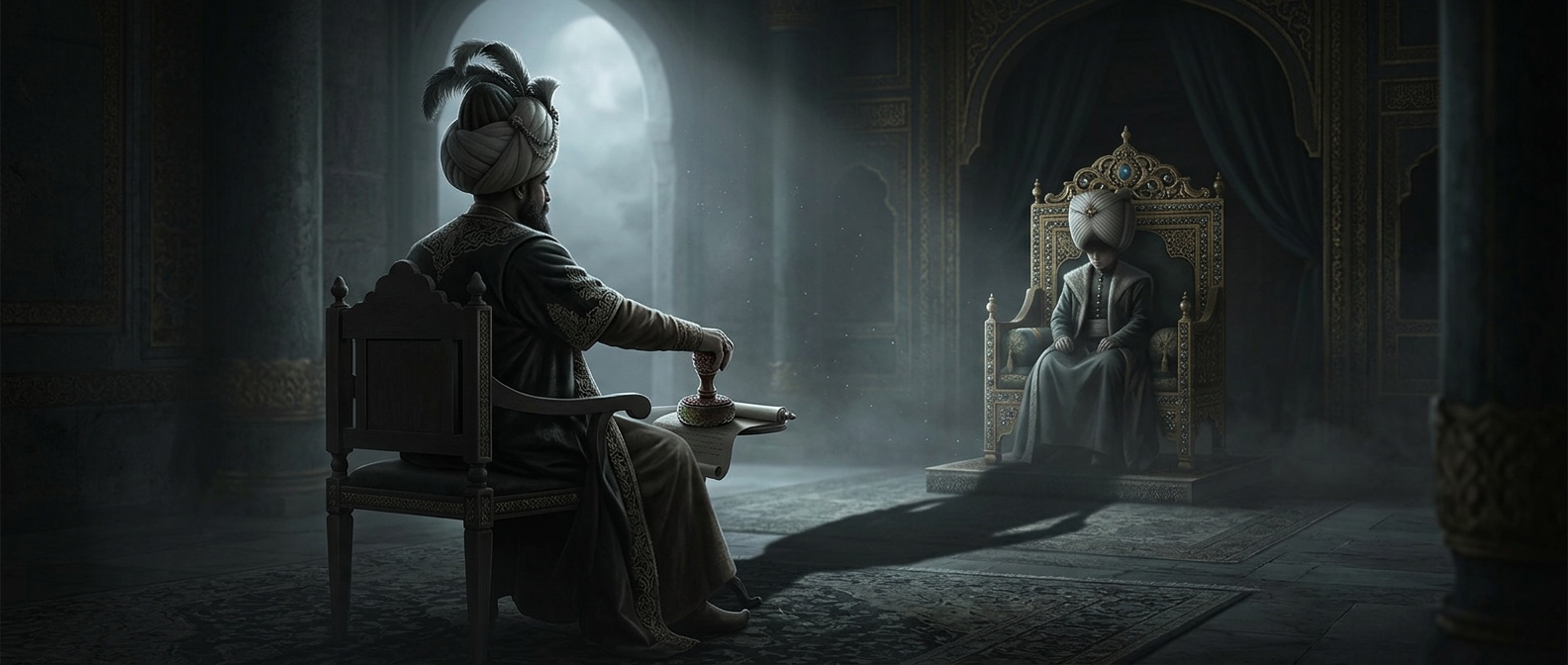
An emperor chosen by a small circle
For much of the Holy Roman Empire’s history, the crown was not simply inherited. A small group of powerful rulers selected the king of the Romans, who could later be crowned emperor. The arrangement was formally set out in the Golden Bull of 1356: seven prince-electors held the right to choose him. Three were senior churchmen, and four were secular rulers—not all seven were nobles in the ordinary sense.
Their authority came from their own territories. The archbishops governed church lands, while the secular electors ruled substantial hereditary domains. Their vote therefore carried weight beyond the ceremony: a candidate needed their support to gain the title and the standing to lead the Empire.
Why the choice was a negotiation
The Holy Roman Empire was a patchwork of territories, not a centralized kingdom with a single government that could issue orders everywhere and enforce them. Local rulers had their own courts, revenues, and military resources. An emperor who wanted cooperation had to bargain with them; his title alone could not make them obey.
That gave electors a practical reason to favor a candidate who would respect their privileges and avoid reaching too far into their lands. Candidates, in turn, had reason to offer assurances and concessions. The election was thus not just a choice of ruler, but a negotiation over the limits of rule.
Power depended on consent
An emperor could still lead armies, pursue policy, and wield considerable influence. But the balance of power was always shaped by whether the Empire’s major rulers would support him. The electors were not choosing a powerless figure; they were choosing a leader whose ability to act depended on keeping powerful partners onside. In this system, the path to the throne ran through a bargain over how the Empire would be governed.