Rule Through the Princes
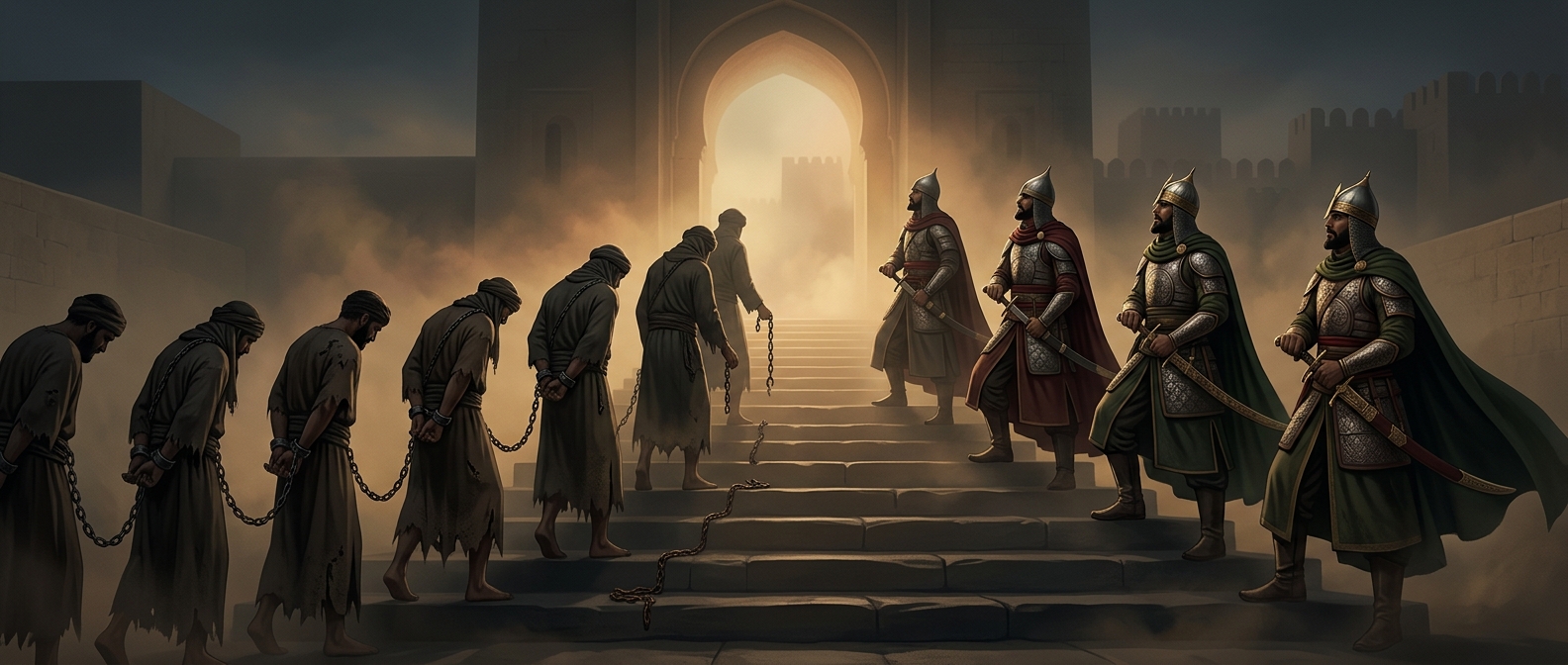
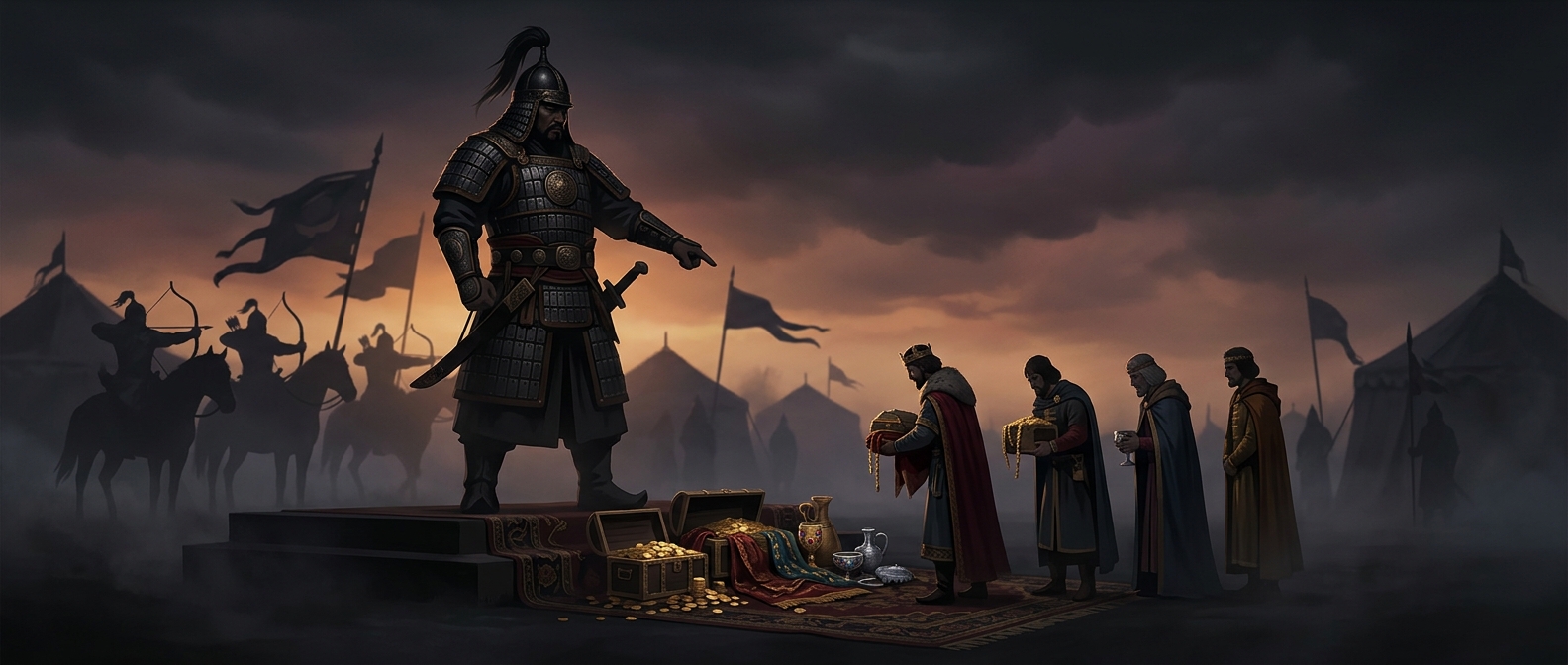
The Golden Horde did not need Mongol officials in every town to extract wealth from the Rus lands under its power. It could work through the rulers already there. A prince who retained authority collected tribute from his own population and sent the required payment to the Horde.
That arrangement made local government useful to the conquerors: princes knew their territories, could call on existing officials, and had the force to enforce collection. The Horde gained revenue without building a full administration in each community.
Tribute Also Bought Political Leverage
A prince’s position depended on more than local support. The khan could recognize or favor a ruler, making access to power conditional on maintaining the relationship and delivering what was owed. Rival princes therefore had reason to compete for the Horde’s backing, while the khan could influence local politics without personally ruling each town.
The system shifted the immediate burden downward. Princes and their agents had to gather the silver, and ordinary people supplied it through the demands imposed on them. If a ruler failed to meet obligations or challenged the Horde’s authority, the arrangement could become more coercive; delegated rule was not the same as independence.
The practical result was an empire that could reach into local life through its subjects’ own rulers. A payment sent far away began as a demand collected close to home.