How Egypt’s military slaves became its rulers
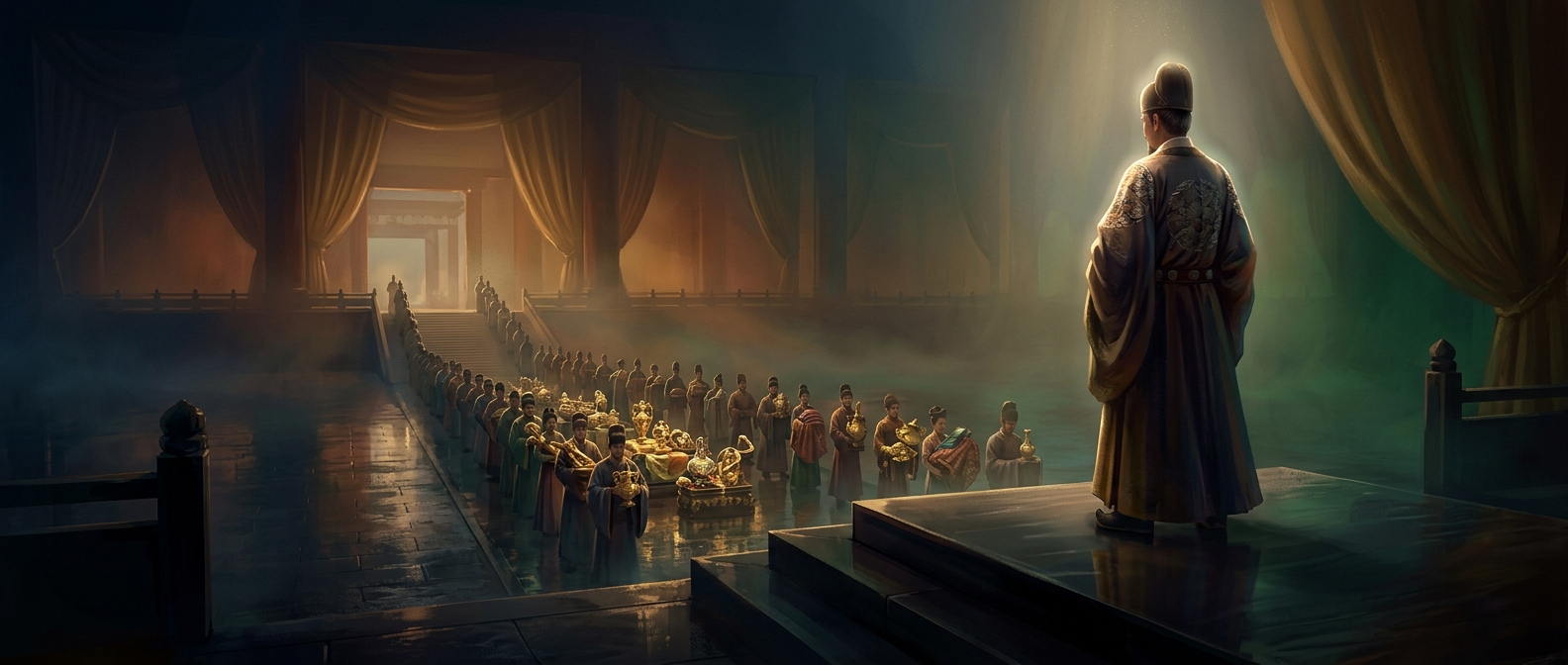
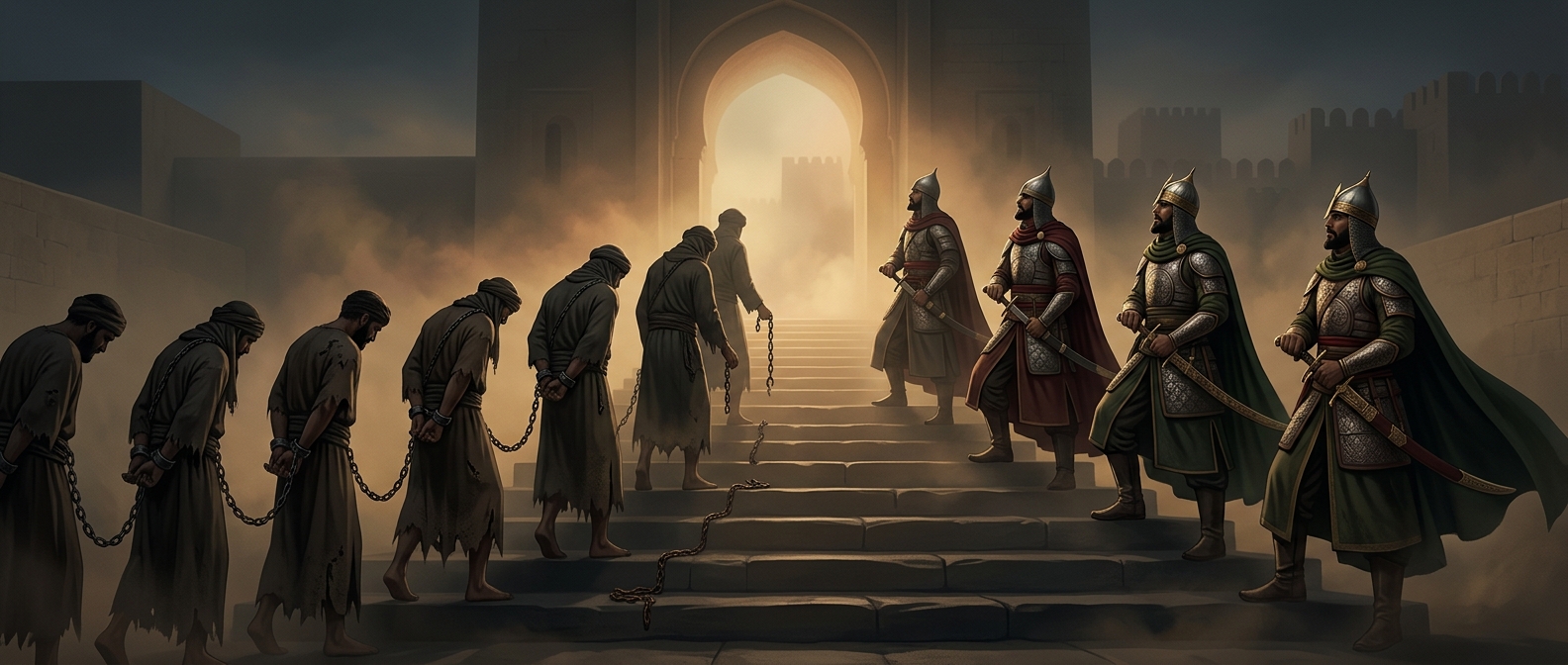
The Mamluks’ rise began with a political bargain: Egypt’s rulers needed soldiers whose loyalty would depend on the ruler and the military household that trained them. Enslaved boys, many brought from lands north of the Black Sea, were converted to Islam and taught to fight, especially on horseback. They served in elite cavalry units and as guards, gaining training, rank, and close ties to fellow soldiers and commanders.
“Slave” did not mean powerless. Mamluks could be freed after training, but their military careers and loyalties remained bound to the system that had raised them. Commanders built networks of former trainees and followers, giving the army leaders with their own resources and influence. The sultan relied on those men for protection—and could not easily rule without them.
A succession crisis opened the way
In 1250, Egypt was ruled by the Ayyubid dynasty, whose sultan, al-Salih Ayyub, depended heavily on Mamluk troops. When he died during a crusading invasion, his son Turanshah arrived to claim power. The Mamluk commanders distrusted him and feared losing their positions. They killed him, ending Ayyubid rule in Egypt.
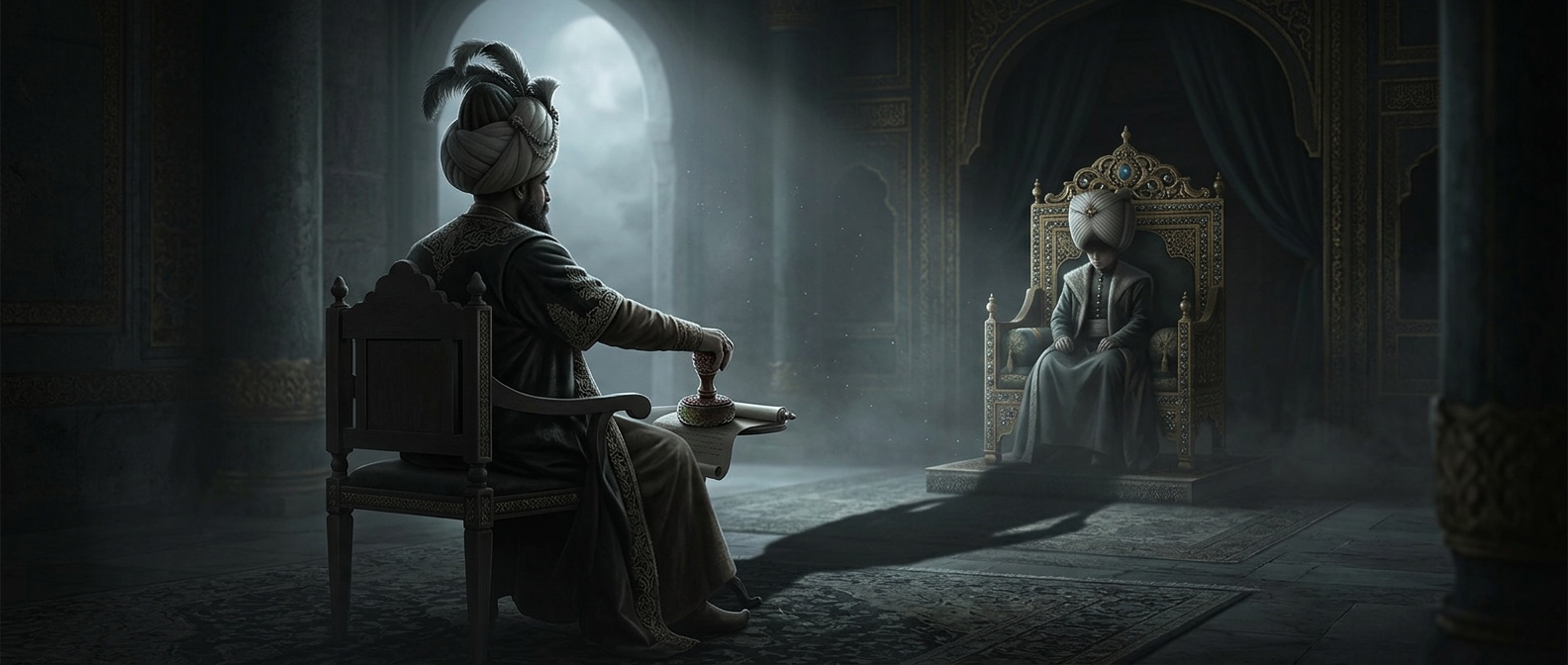
The transition was not simply an army replacing a weak ruler. The commanders needed a recognized government, so Shajar al-Durr, al-Salih’s widow, briefly became ruler before power settled with Mamluk leaders. Their ability to organize force had turned them from the sultan’s protectors into the kingmakers—and then the sultans themselves.
The army became the political order
Mamluk rule lasted for centuries, though leadership changed through contests among military households rather than a straightforward hereditary succession. The arrangement held a striking tension: men brought into Egypt as property could rise to the highest office, while the state they built continued to depend on a military elite shaped by the same system. The throne changed hands, but command of the cavalry remained the route to power.