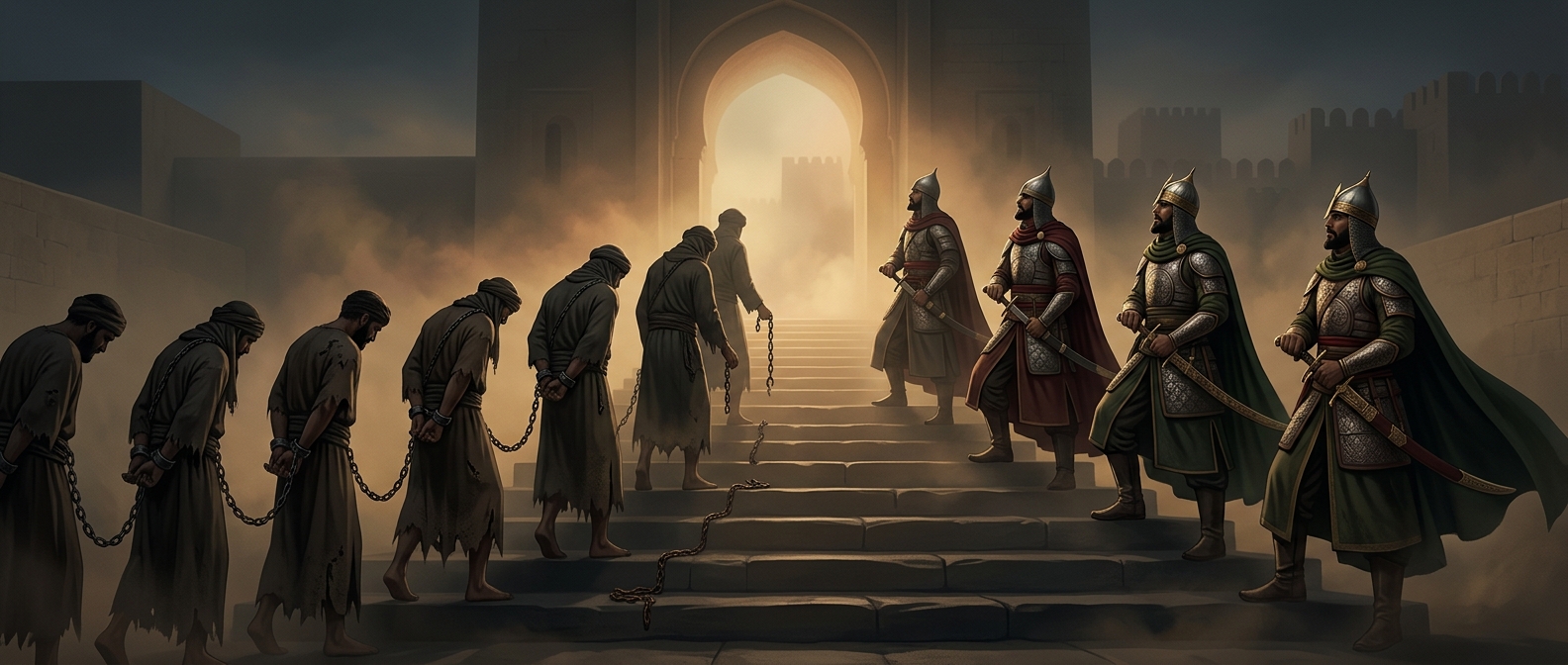
The slavery compensation debt lasted generations
In 1833, Parliament passed the Slavery Abolition Act, which ended slavery in most of the British Empire. The government paid £20 million in compensation to slave owners—not to the people they had enslaved. Because that sum was too large to cover from ordinary revenue, the state borrowed the money and added it to the national debt.
That borrowing did not remain a separate bill marked “slavery compensation.” It became part of the government’s wider obligations, which were refinanced and reshaped over time. The state paid interest on its debt, while some borrowing was rolled into new government securities rather than cleared in one final installment.
Why 2015 is often given as the end date
In 2015, the government repaid several old, undated bonds—securities with no fixed maturity date, so they could remain outstanding indefinitely. The repayment included bonds connected to the long history of British government borrowing. This is why 2015 is widely cited as the year taxpayers finished paying off the debt associated with slave-owner compensation.
The connection is real, but it is not as simple as a single loan surviving unchanged from 1833 to 2015. The original borrowing had been absorbed into the national debt, and centuries of refinancing make it impossible to trace each later payment as a direct repayment of the compensation fund alone.
The lasting consequence
The 2015 repayment closed a long chapter in government finance, but the original compensation scheme had already determined who benefited: slave owners received public money, while formerly enslaved people received no comparable payment. The striking fact is not merely how long the borrowing lasted, but that the state’s financial obligation endured long after the people whose freedom it was meant to fund had been left out of the compensation.