A tax measured in panes of glass
Many of the blocked openings in old London houses are reminders of a tax that made daylight count against a homeowner. In 1696, the government introduced a window tax: rather than assess every household’s income or the value of each building in detail, it used the number of windows as a rough sign of a home’s size and prosperity. More windows generally meant a larger tax bill.
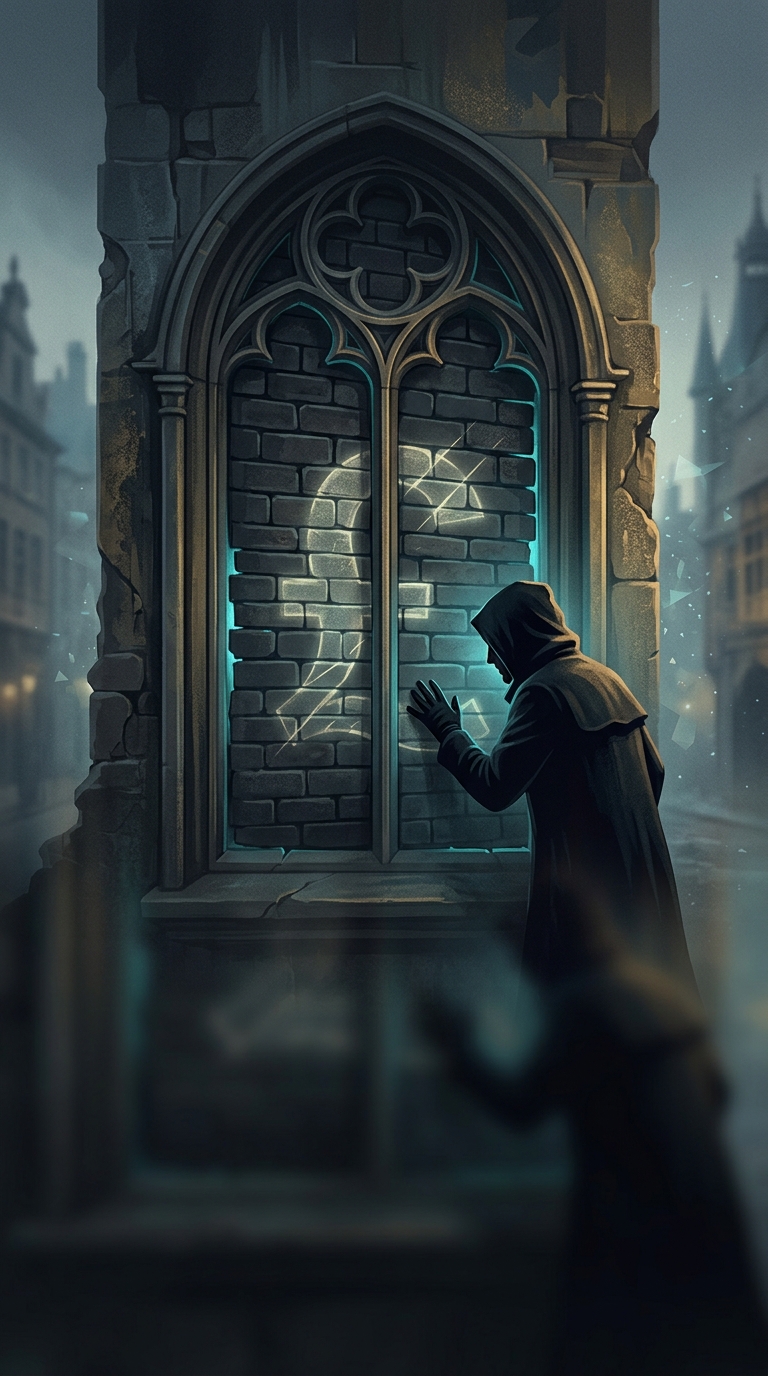
That made the architecture itself part of the tax calculation. A homeowner could reduce the bill by having windows bricked up, and builders could design new houses with fewer openings. The blocked spaces were often left visible in the façade, so the building still shows where a window had once been.
The cost of avoiding the tax
The choice was not simply between paying more and losing a view. Fewer windows meant less natural light and, in many rooms, poorer ventilation. The tax could therefore shape daily life inside a house, especially for people who rented rather than owned it and had little control over its design.
The policy also produced an odd incentive: an opening that would have made a home brighter could make it more expensive to keep. A practical feature of the building became a taxable measure of wealth, encouraging owners to trade comfort for savings.
Why the outlines remain
The window tax was repealed in 1851, but removing it did not automatically restore every bricked-up opening. Reopening a window could require costly building work, and later occupants might have had no reason to change a wall that already served its purpose. So the outlines persist as architectural evidence of a policy’s reach: a government levy could alter not just household finances, but the amount of light entering a room.