Why the Revolutions of 1848 Lost—and What They Changed
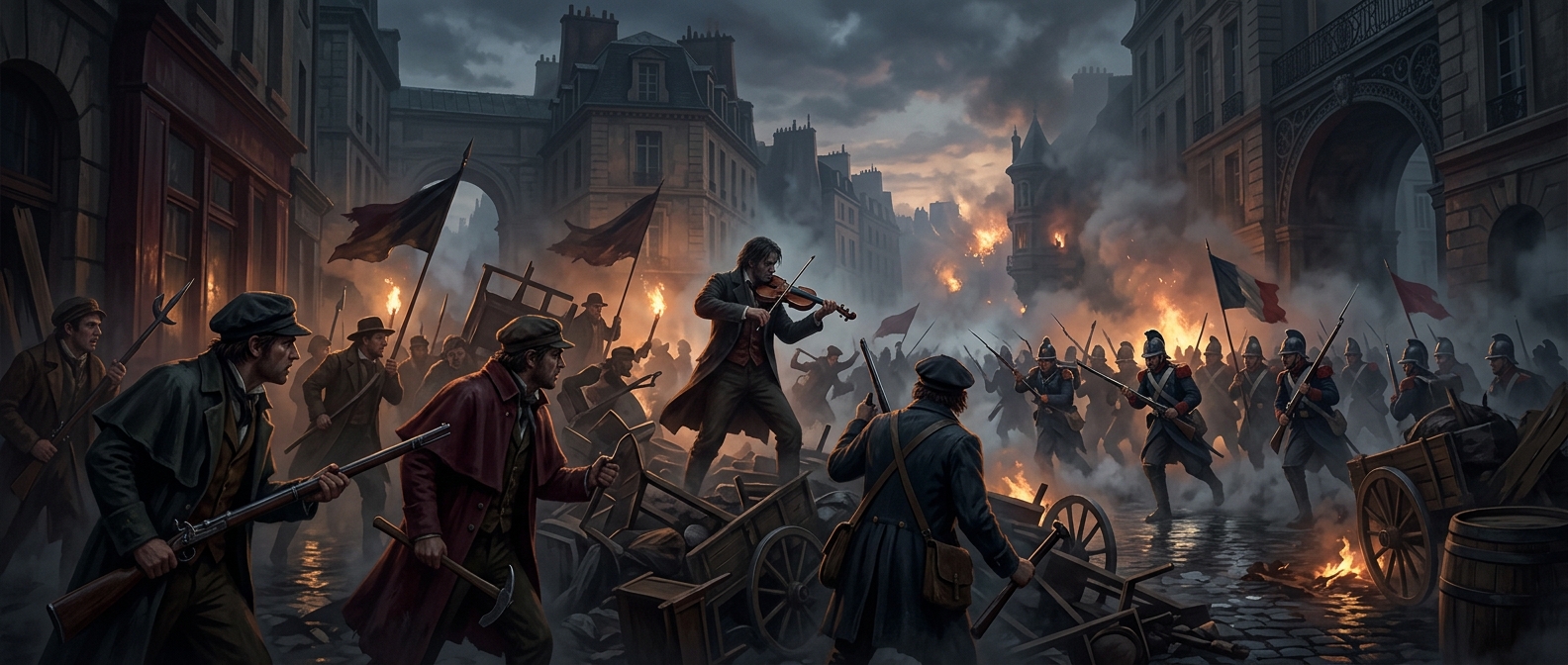
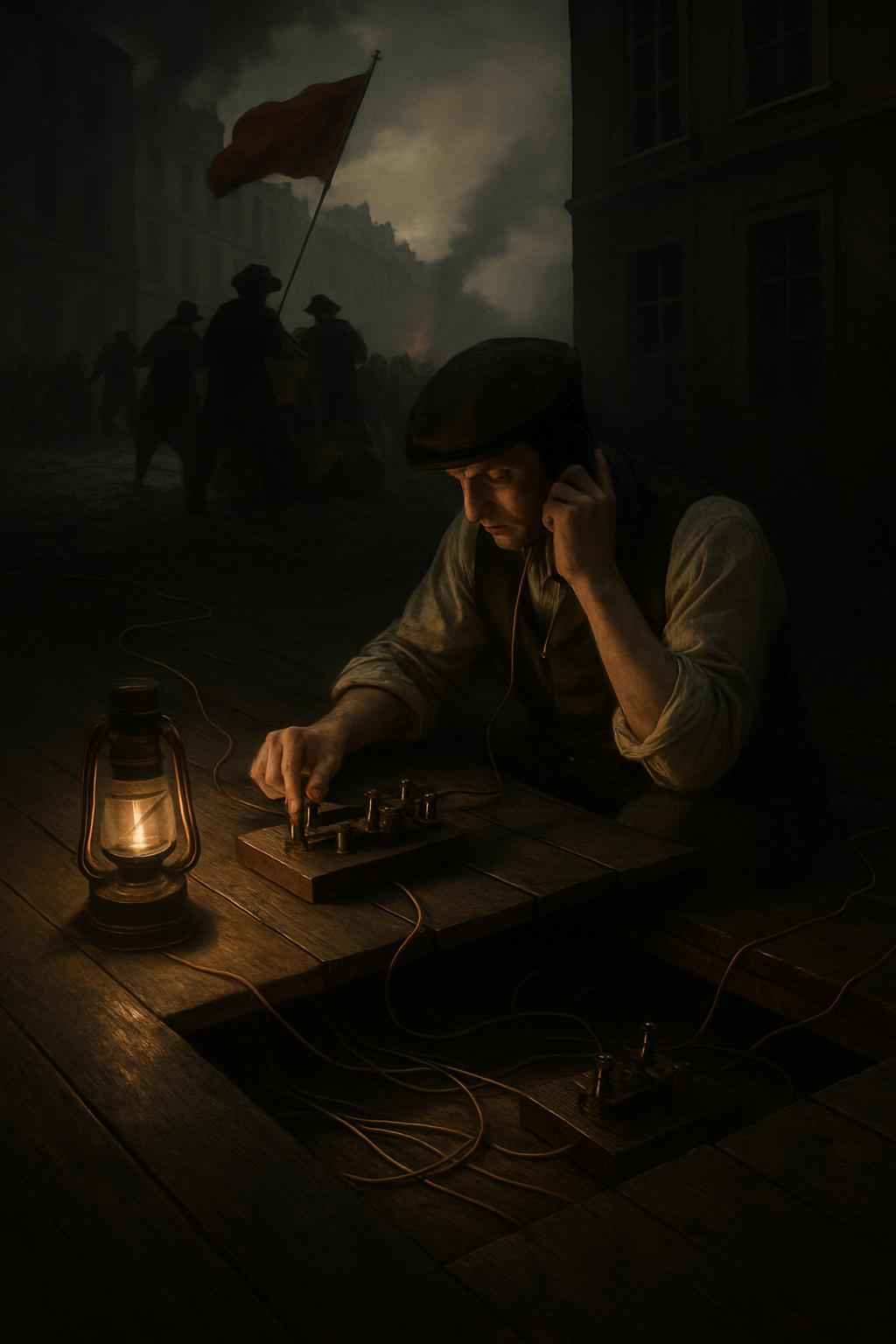
Across Europe, people rose against monarchies demanding constitutions, civil liberties, national self-government, and a greater say in politics. For a time, rulers fled or conceded reforms. But the revolutionary coalitions were fragile: liberals, workers, peasants, and nationalist movements did not always want the same things, and governments still controlled armies. By 1849, many monarchs had regained power, and several new constitutions had been revoked or restricted.
That reversal made 1848 look like a failure. Yet political defeat did not restore every part of the old order.
Reforms That Outlasted the Uprisings
In the Habsburg Empire, the revolution helped bring about the abolition of feudal obligations—traditional dues and labor that peasants owed to landlords. The imperial government ultimately enacted the change, but the upheaval had made those demands urgent and difficult to ignore. For rural families, this was a material change in everyday life, not merely a new political slogan.
Elsewhere, the outcomes differed. France’s Second Republic introduced universal male suffrage, though it was soon replaced by an authoritarian empire. In the German states, the attempt to unite the country under a constitutional government failed, but debates over national unity and political representation continued. The revolutions did not deliver one shared democratic settlement; they made reform harder to keep out of public politics.
A New Political Landscape
The uprisings drew large numbers of ordinary people into public life through demonstrations, clubs, newspapers, and political organizing. Even when authorities suppressed these activities, people had practiced making claims on government—and rulers had seen how quickly those claims could become mass movements.
Later democratic gains were not an inevitable result of 1848, and they came through conflicts and choices that followed. But the revolutions left behind demands, experiences, and reforms that could be taken up again. Their legacy is visible in a telling contrast: many insurgents lost the immediate contest for power, while some of the old obligations and political silences they had challenged never fully returned.