When the Sultan’s Guards Became Kingmakers
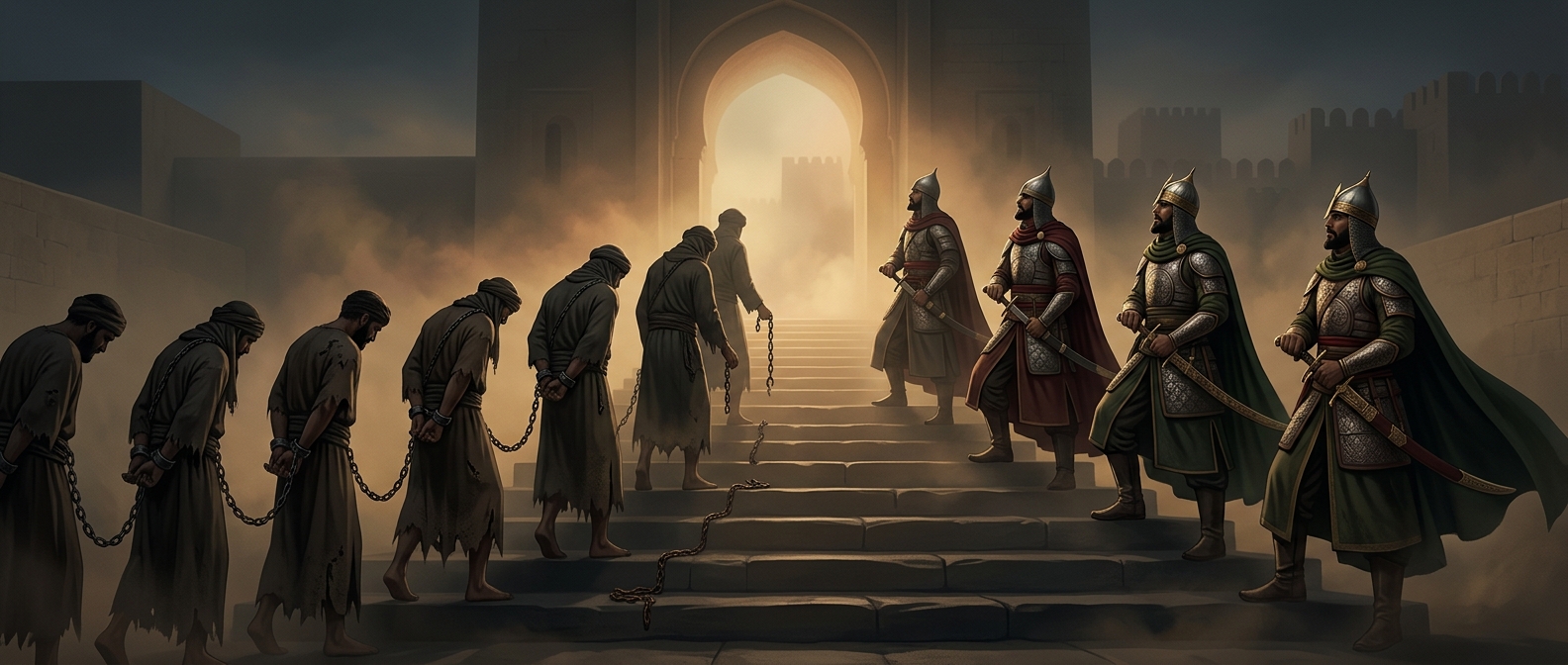
In the Mamluk Sultanate of Egypt, a ruler’s authority rested on the same military elite that could bring him down. The Mamluks were soldiers trained for service to the state; their commanders, or emirs, held the troops and political influence needed to decide who ruled. A sultan could command the army, but he could not safely ignore the men who made that command effective.
Loyalty Had a Payroll
That dependence was practical as well as political. Soldiers expected pay, often distributed as gold, and the court had to keep the military establishment supplied. When payments fell behind, the damage was not just financial: unpaid troops had reason to doubt that the ruler could—or would—look after them. A rival commander could turn that discontent into a challenge to the throne.
The palace was therefore a dangerous place for a sultan who appeared unable to reward allies or control his commanders. The men closest to him were also armed participants in the contest for power. In a coup, removing the ruler could be a direct way to clear the path for a replacement.
A Throne Without a Secure Heir
The result was a system in which the title of sultan did not guarantee a stable succession. Military leaders could elevate a new ruler, then expect influence and rewards in return; if that bargain failed, they could help replace him again. The sultan’s guards were not merely protection around the throne—they were part of the force that determined who sat on it.