
A closer look
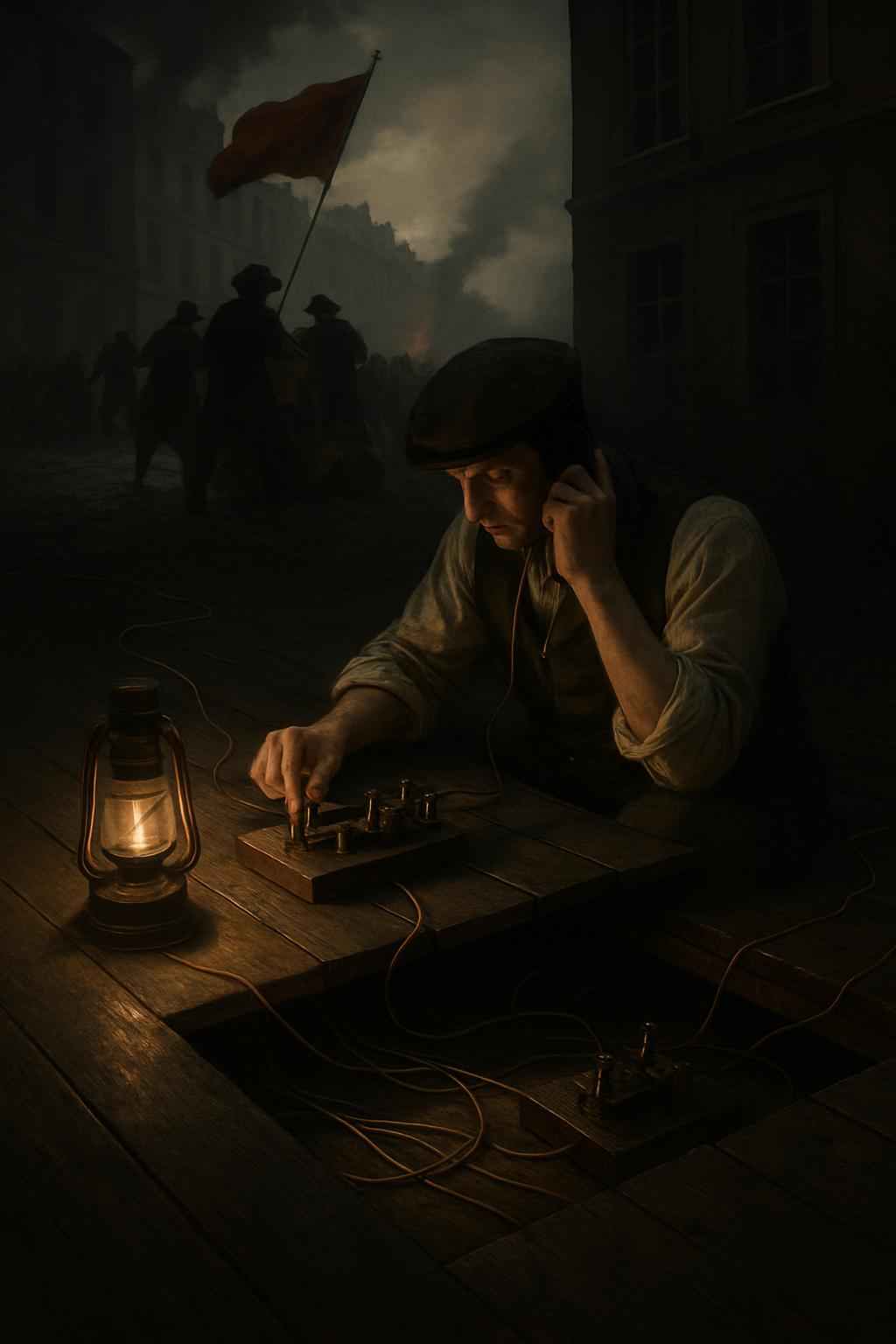
Paris, summer of 1871: as revolutionaries barricaded streets, a quiet rebellion sparked under the floorboards. Using miles of copper wire, citizens built a clandestine telegraph network—the world’s first peer-to-peer messaging platform. Messages traveled house to house, skipping official censorship. The Commune fell, yet the idea lingered: decentralized communication as resistance. A century later, that same spirit shaped the early Internet geeks who dreamed of networks that governments couldn’t silence. Every encrypted chat today echoes that forgotten underground grid. History often hides in cables—the rebel lineage of connectivity that refuses to be owned.