The Sunday inauguration that created a succession puzzle
In 1849, March 4—the date then set for a new presidential term to begin—fell on a Sunday. James K. Polk’s term ended that day, but Zachary Taylor chose to take the oath on Monday, March 5. The Constitution required the president to swear an oath before carrying out the office’s duties, and Taylor did not do so until the ceremony.
That left an unusual question: who, if anyone, held presidential authority in the interval? The vice presidency was also in transition. Outgoing Vice President George Dallas’s term had ended, and incoming Vice President Millard Fillmore had not yet been sworn in.
Why Atchison’s name entered the story
David Rice Atchison was president pro tempore of the Senate, a position that placed him in the line of succession under the law then in force if both the presidency and vice presidency were vacant. That is the basis for the claim that he briefly became president—or, more cautiously, could have been expected to act as president.
But the claim is not settled fact. The law’s application to a gap created by the scheduled end of one term and the delayed start of another was unclear. There was also a practical complication: Atchison’s Senate term had ended, raising doubts about whether he remained eligible to succeed. No formal transfer of presidential power to him took place.
A title without a day in office
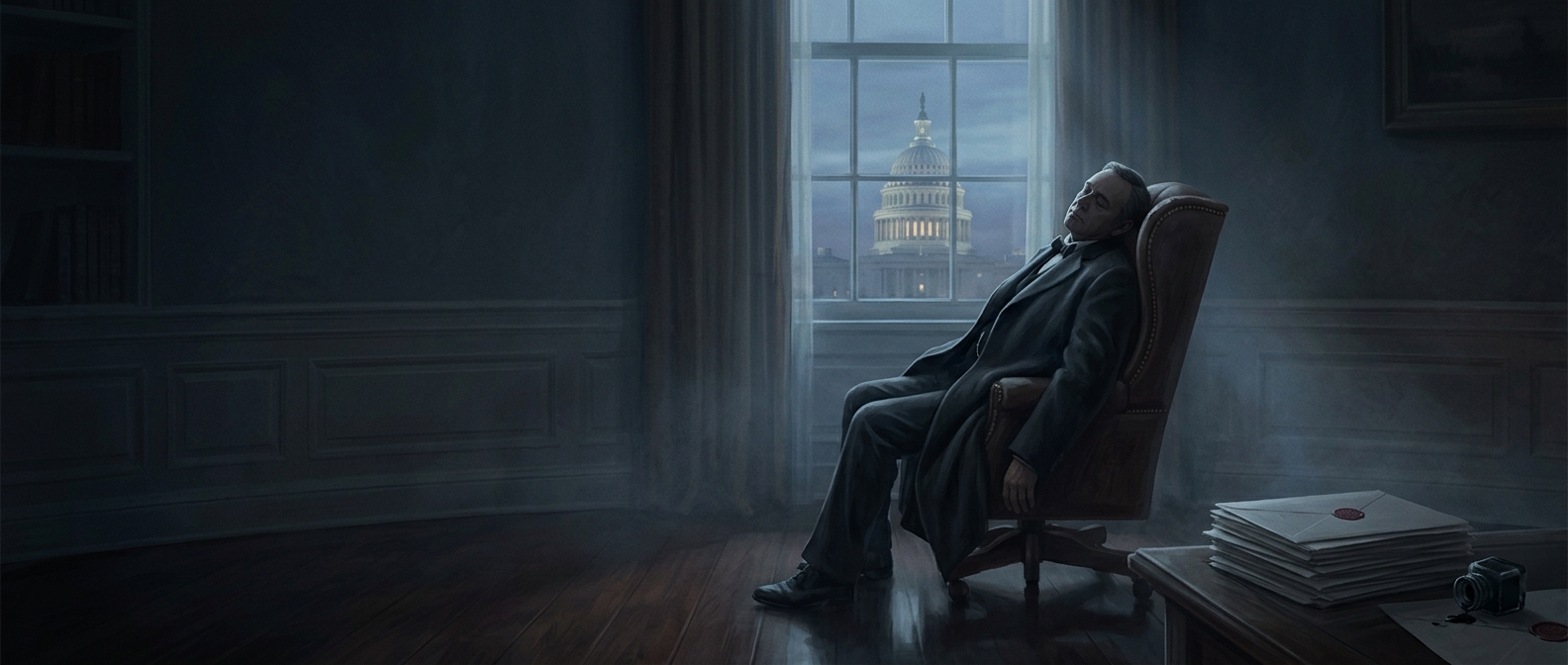
The story that Atchison slept through much of March 4 after staying up late adds a comic image to a genuine constitutional oddity. It does not prove that he held the office. The episode instead shows how a calendar choice could expose gaps in succession rules—gaps later avoided when the Twentieth Amendment moved presidential inaugurations from March to January.