A parliament built around spoken law
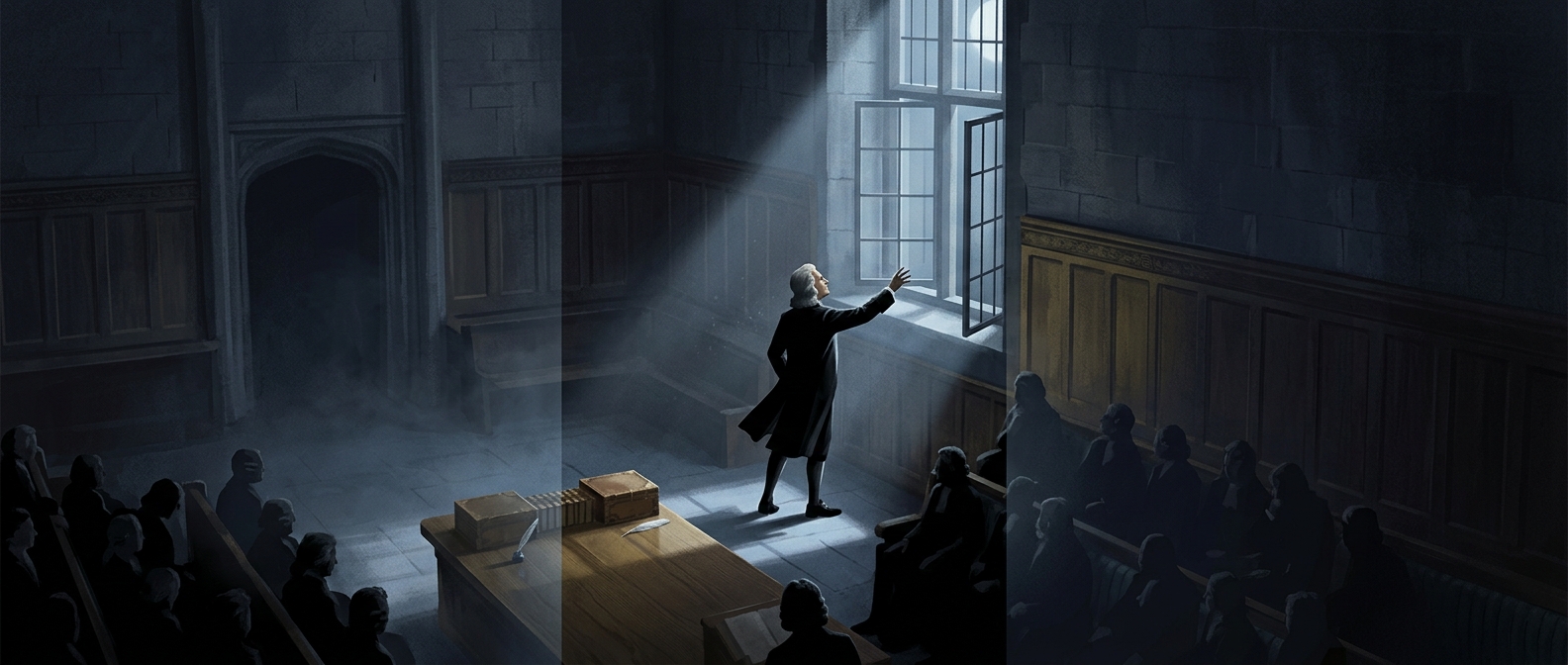
At the Althing, Iceland’s early lawmakers had no written code to consult in a chamber. The assembly’s lawspeaker—an elected official—recited the law from memory over the course of his term. That made the gathering place more than a symbolic landmark: it was where a shared body of rules was publicly repeated, heard, and applied.
The Althing also handled disputes. Chieftains and other attendees met there to negotiate and settle conflicts, turning legal decisions into public events rather than private exchanges between rulers. People who traveled to the assembly could hear arguments and decisions firsthand, even though not everyone present had equal authority or a formal role in making them.
The landscape made the gathering possible
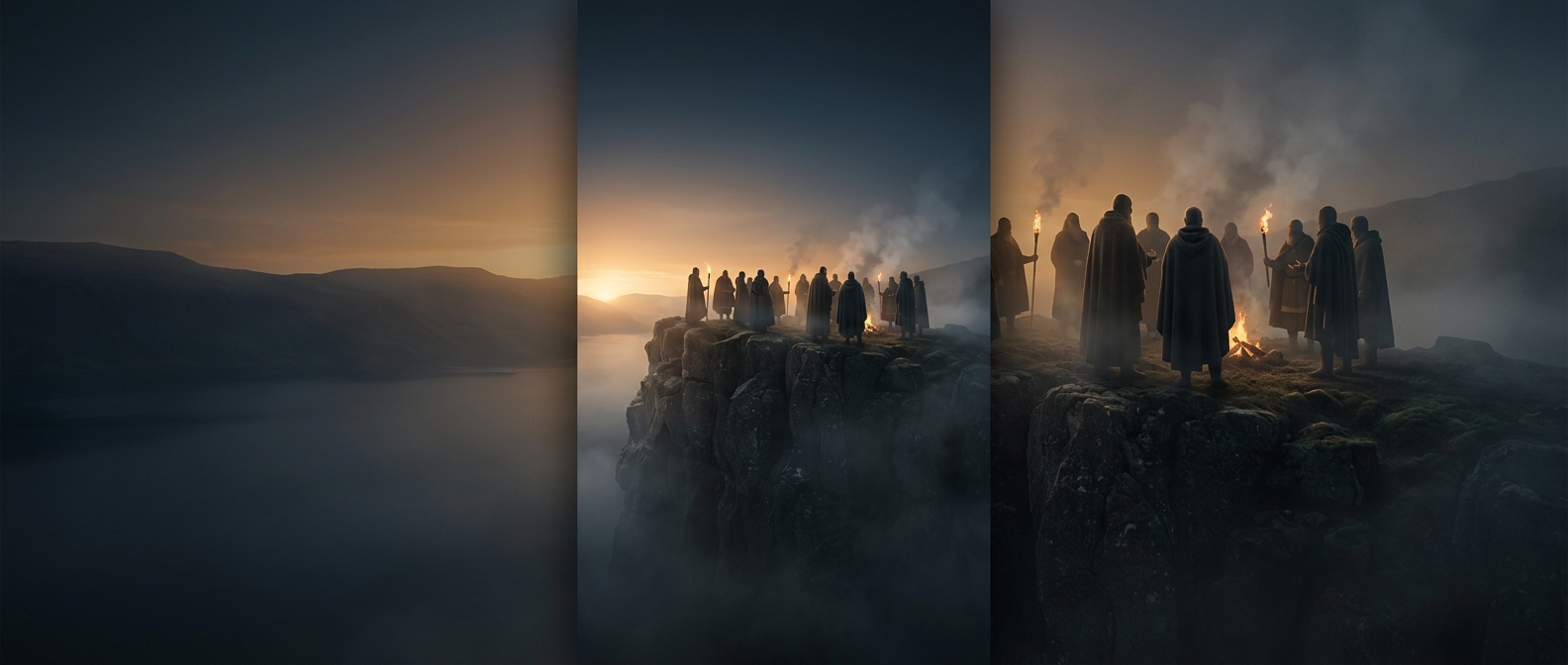
Þingvellir, the Althing’s meeting site, offered open ground where a large seasonal gathering could assemble without a purpose-built hall. The Law Rock provided a focal point: the lawspeaker’s position helped direct attention toward the recitation and proceedings. In a society spread across farms and settlements, the annual meeting brought people together in one place to conduct business that could not be handled from a central palace or permanent government office.
That arrangement shaped how authority worked. Law depended on people who could remember it, repeat it, and recognize its use in disputes. The assembly’s open-air setting made those acts visible to an audience—so a decision was not only announced, but witnessed.