Bentham’s plan to remain in the room
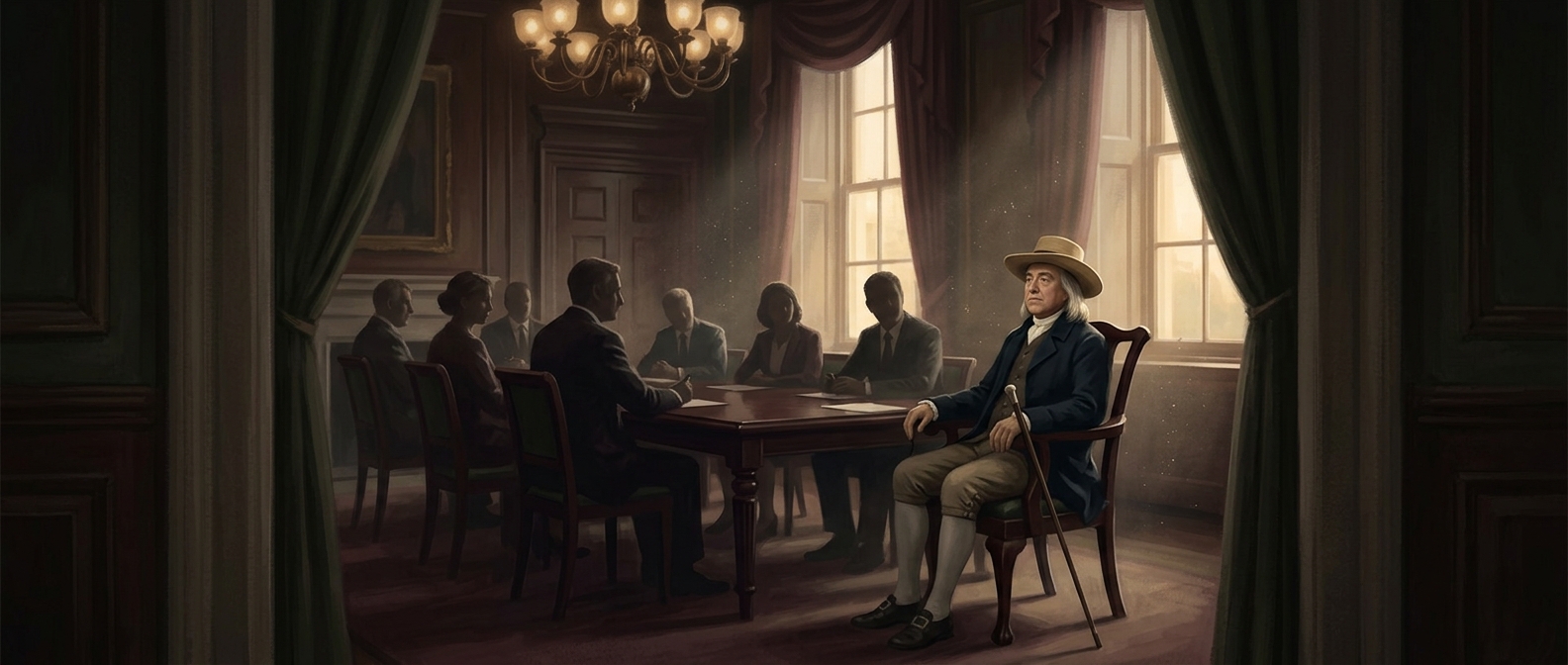
Jeremy Bentham’s posthumous presence at university meetings grew out of a deliberate plan, not a university prank. The English philosopher, who died in 1832, left instructions for his body to be dissected and then preserved as an “auto-icon”—a self-image made from the person’s own remains. His skeleton was dressed in his clothes and placed on display at University College London (UCL), an institution he had supported.
Bentham wanted his body to serve a practical purpose after death: dissection could aid anatomical teaching, while the finished display could keep his ideas and public example in view. The preserved figure thus made a strikingly literal version of his belief that a life should be useful to others.
From display to institutional ritual
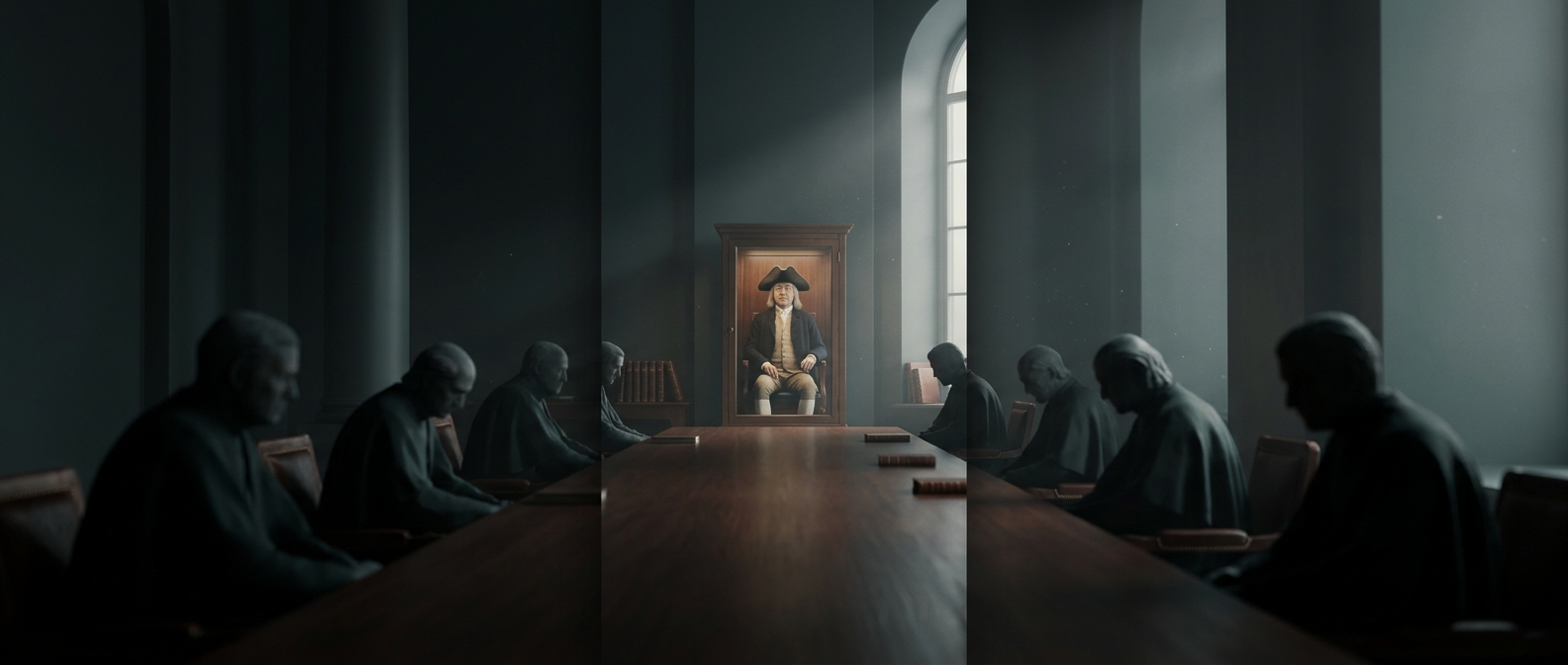
The figure was brought into meetings of UCL’s governing body, turning Bentham’s absence into a visible presence in the institution’s affairs. It could not take part in discussion or make decisions; its role was symbolic. A philosopher associated with UCL was, in effect, given a place in the room long after his death.
That gesture also suited Bentham’s challenge to convention. Rather than treating the dead body as something that had to be hidden from public view, he made his own remains part of a public statement about education, knowledge, and usefulness. The result is more than an unusual exhibit: it is a founder’s carefully staged reminder that his influence was meant to outlast him.