Why Castanets Moved from Shell to Wood
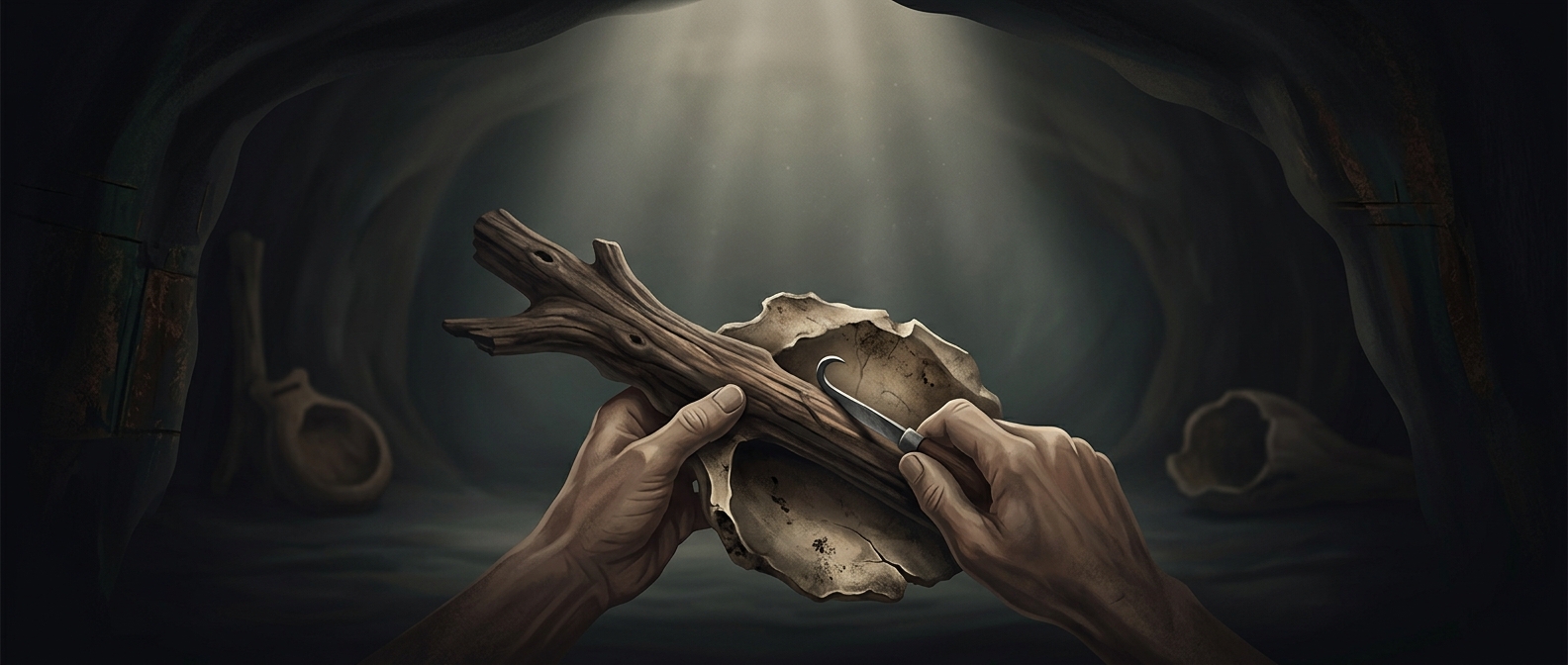
A castanet makes sound when its two shaped pieces strike each other. The material matters: a hard shell can produce a sharp click, while the shape of the hollow piece helps give that impact its particular resonance. Early castanet-like instruments could be made from shells, materials that were already hard and naturally curved.
Wood offered makers more control. It could be carved into matching pieces with a consistent shape, and players found wooden castanets more comfortable to handle. That mattered in an instrument whose sound comes from repeated, rapid impacts: a bright click is useful, but the pieces also have to be manageable through extended playing.
A Change in Feel as Well as Sound
The shift was not simply from a “primitive” material to a better one. Shell and wood behave differently when struck, so changing the material changed the instrument’s tone and feel. Wood’s combination of a clear attack and easier handling helped make it a practical choice for performance.
That tradeoff is part of the castanet’s design: its sound depends on a collision, but its success depends on how comfortably and reliably a player can create many collisions in succession.