History
Discover facts about history. Small discoveries that change the way you see familiar things.
History
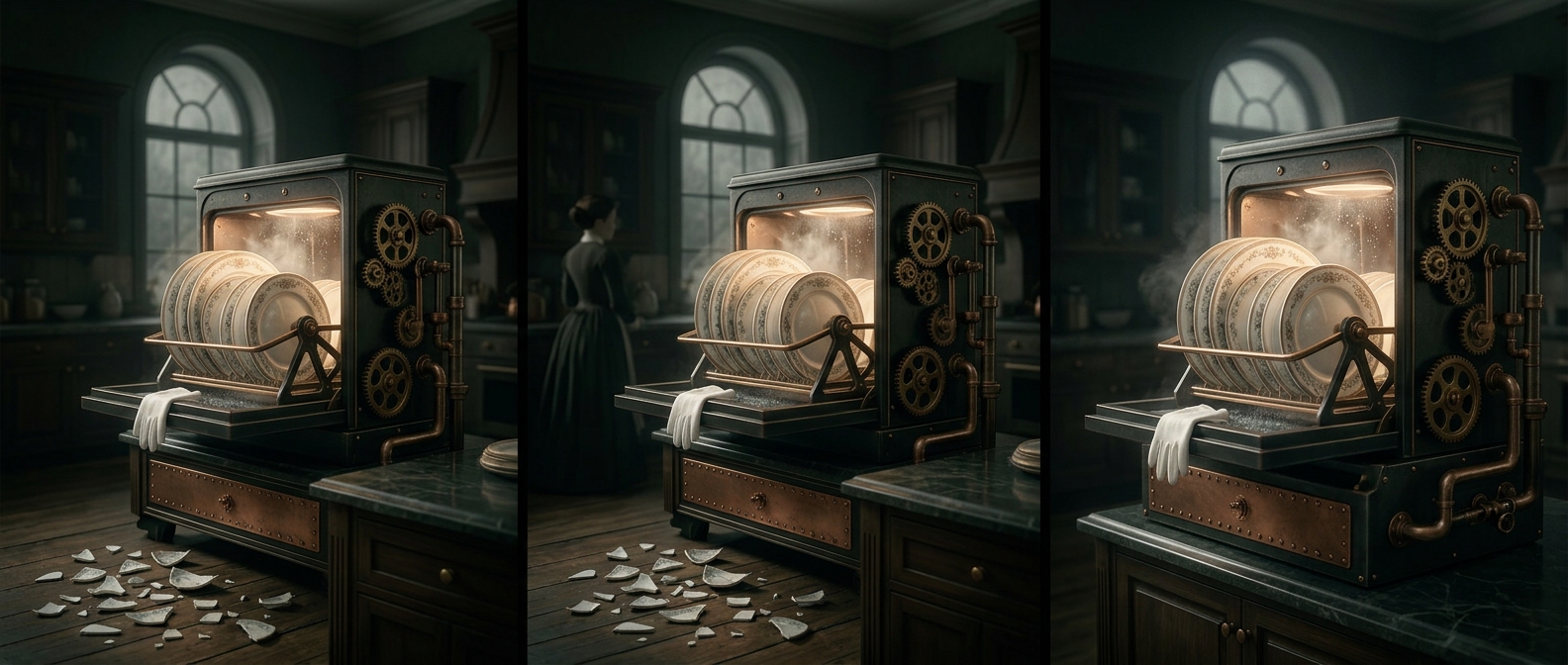
Josephine Cochrane built a dishwasher to protect the dishes
After seeing fine china damaged during handwashing, she developed a machine that held dishes in racks while water cleaned them. Her 1886 patent helped turn an…
Discover more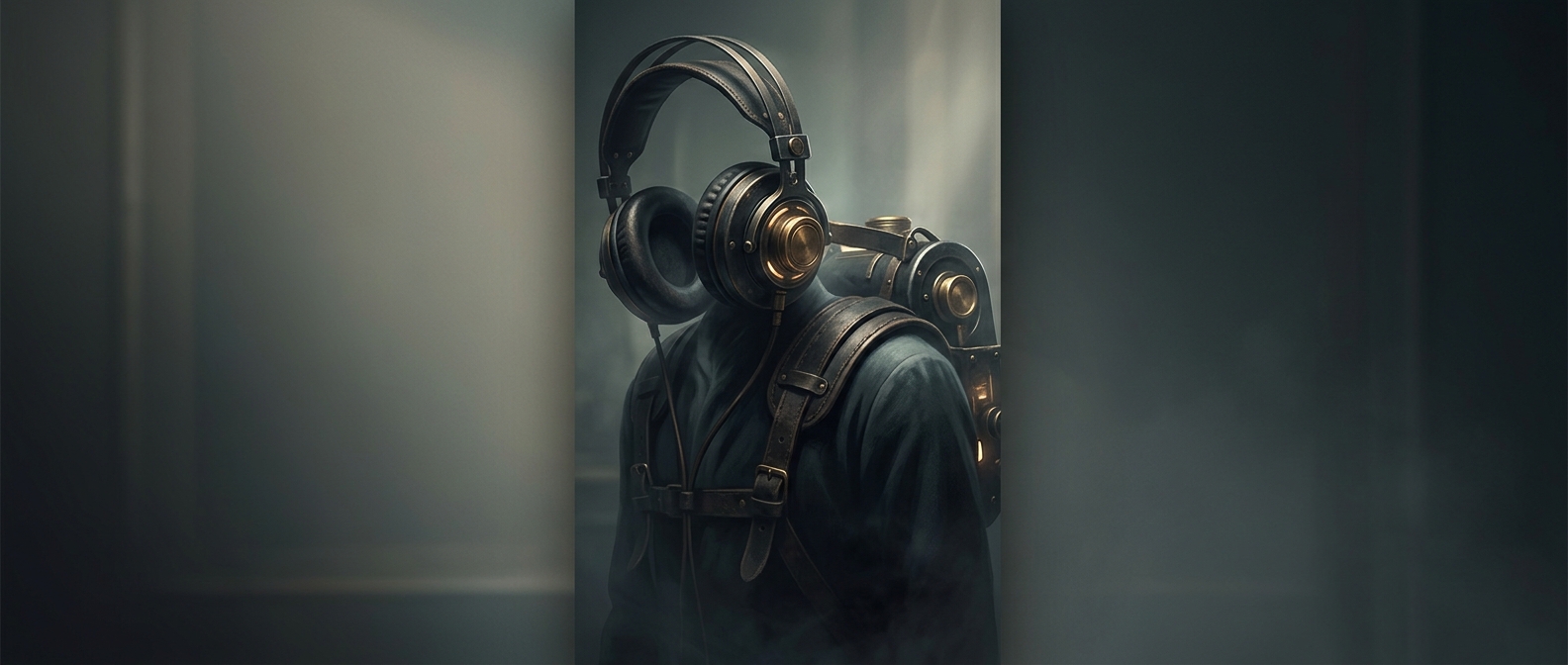
People listened to live theater through headphones before radio took over
Britain's Electrophone service connected subscribers by telephone line to performances and other events. A surviving listening table has connections for up to…
Discover more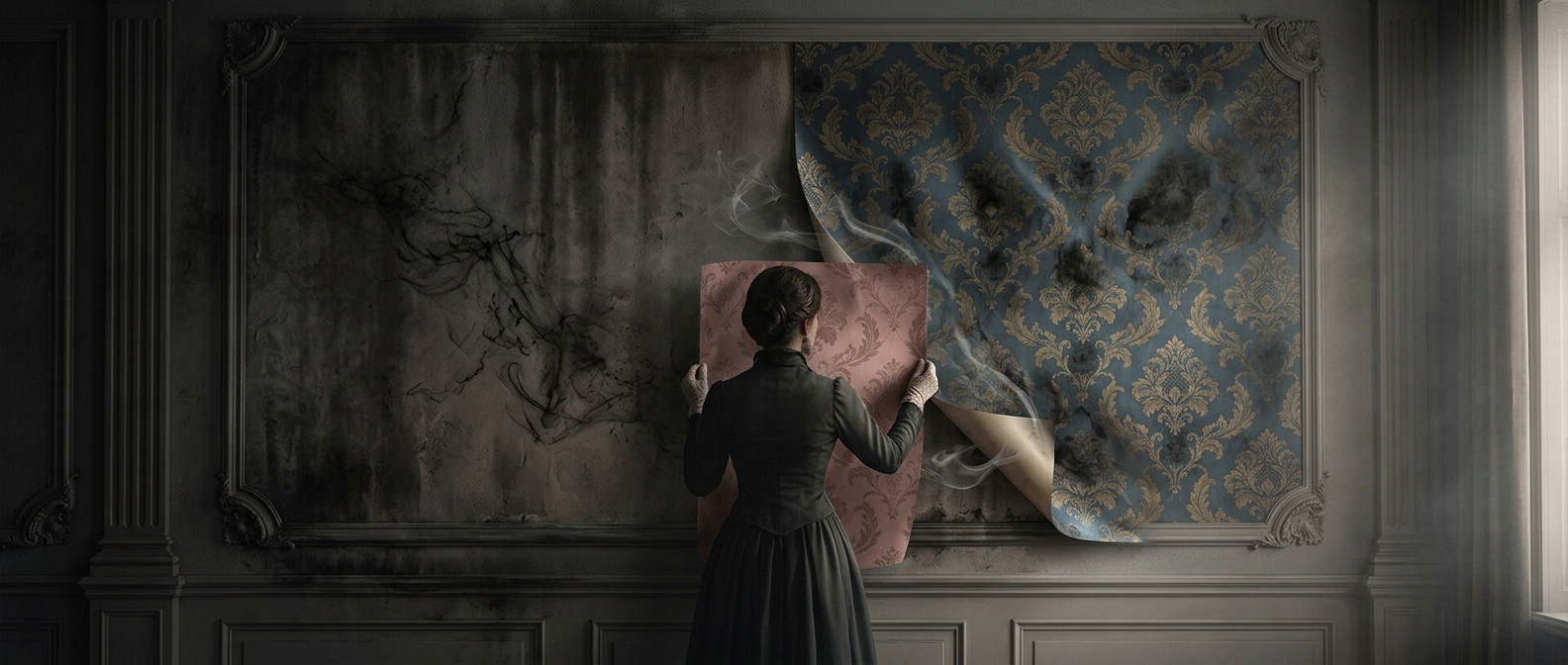
Wallpaper began on a much smaller canvas
Some of the earliest surviving wallpapers decorated cupboards and modest rooms in merchants’ homes. Small printed sheets imitated patterns from textiles;…
Discover more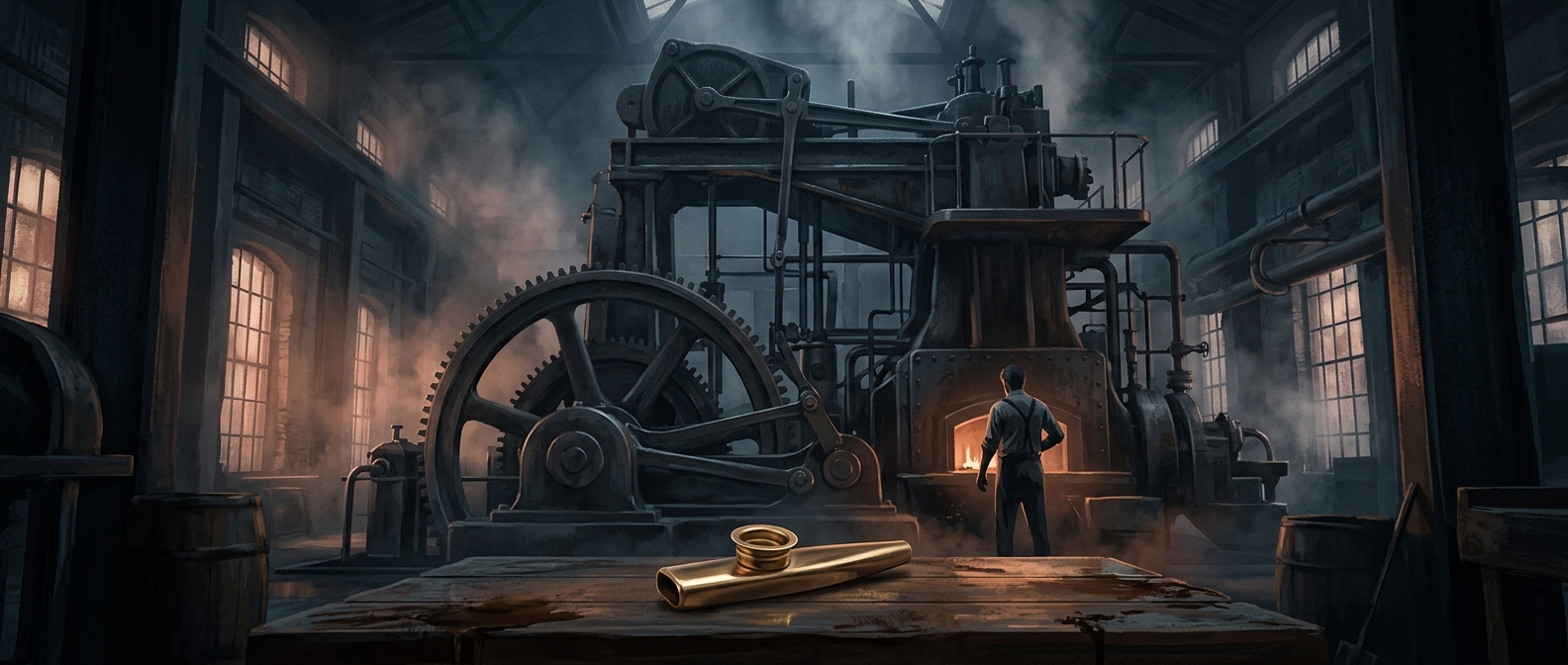
Someone patented the kazoo during the Industrial Revolution
The kazoo patent covered a small metal tube that made a player’s humming vibrate a membrane, turning a voice into a nasal buzz. In an age of steam engines and…
Discover more
Drums were heavily utilized for long distance messaging
Beating a stretched hide or hollow log carried signals over long distances, helping communities coordinate large group activities before phones.
Discover more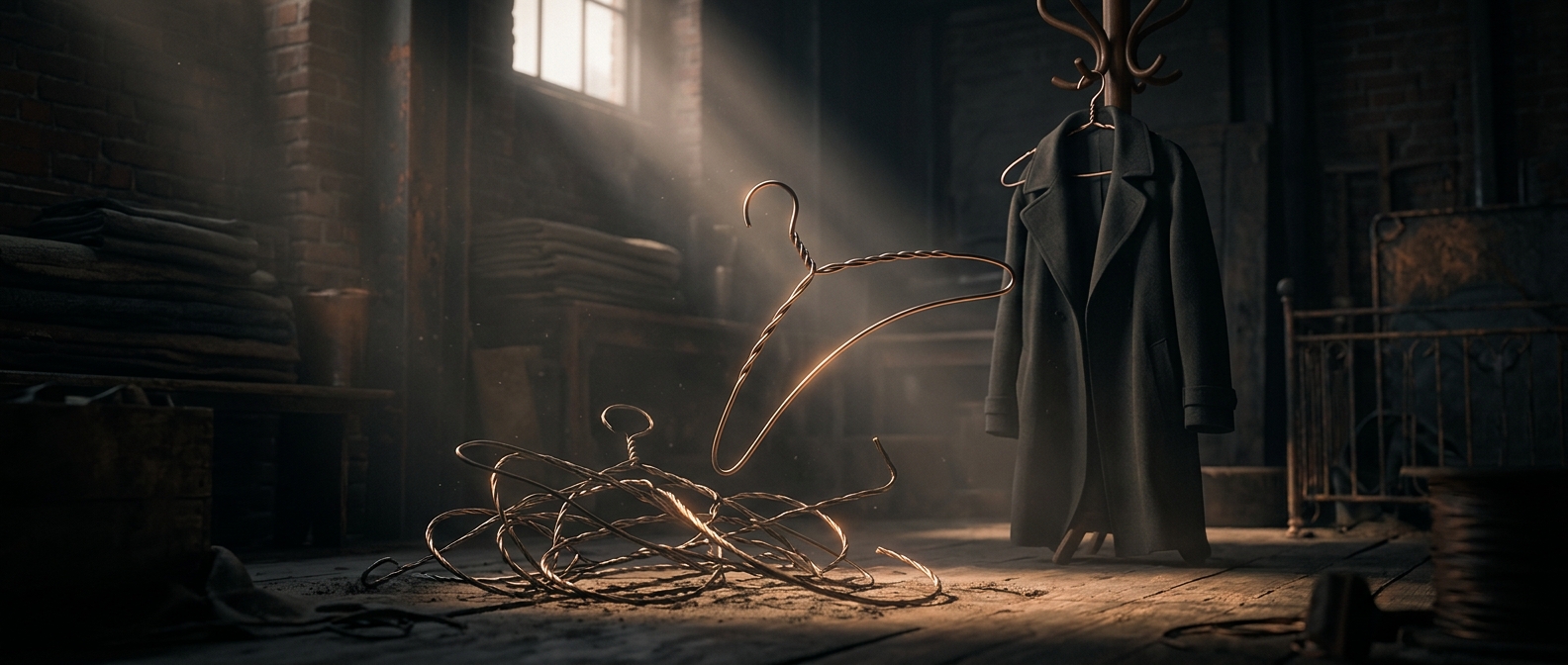
The coat hanger inspired by a piece of wire
The familiar shoulder-shaped hanger reportedly began when someone bent a piece of heavy wire left by a worker.
Discover more STACKY FOR IPHONE
A bigger world.
One discovery
at a time.
Keep discovering with Stacky. Interesting facts in an app that is always within reach.
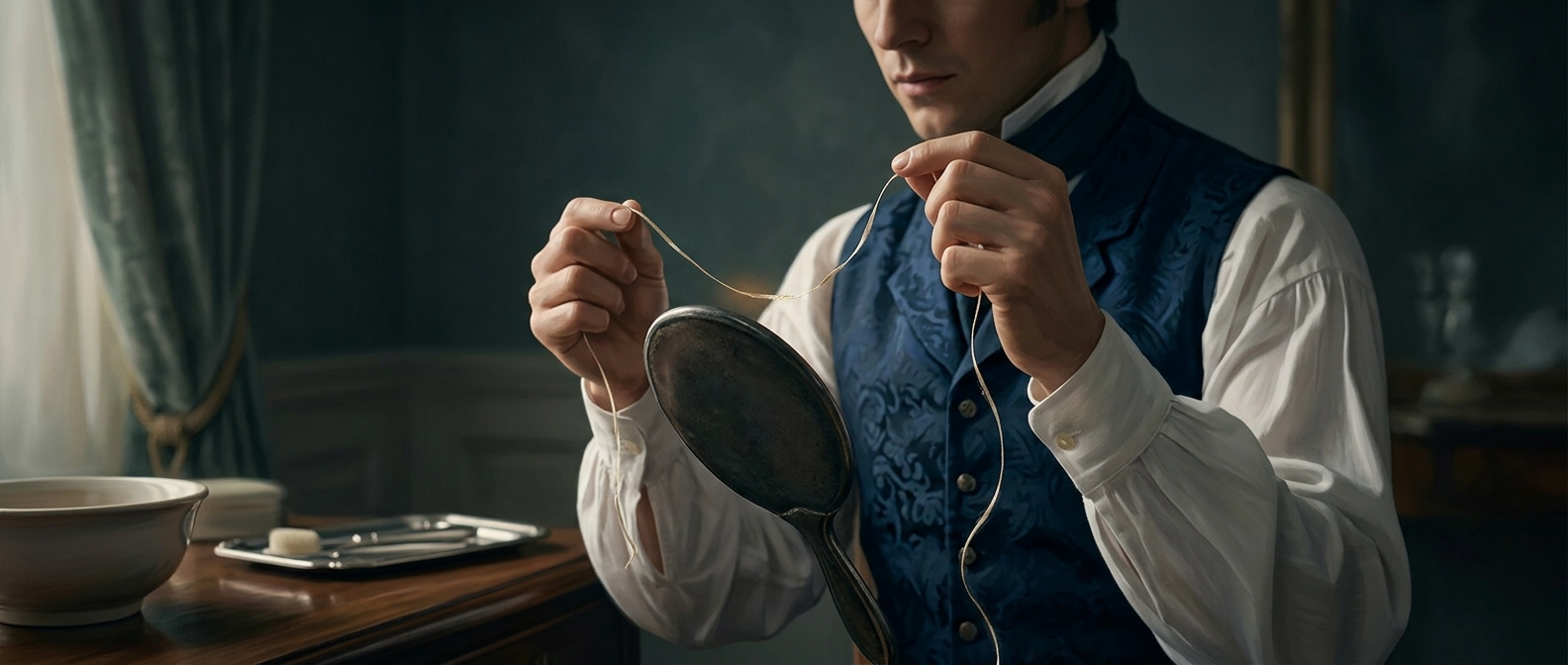
Dental floss consisted entirely of basic silk thread
The silk could shred during use, leaving tiny fibers wedged between teeth.
Discover more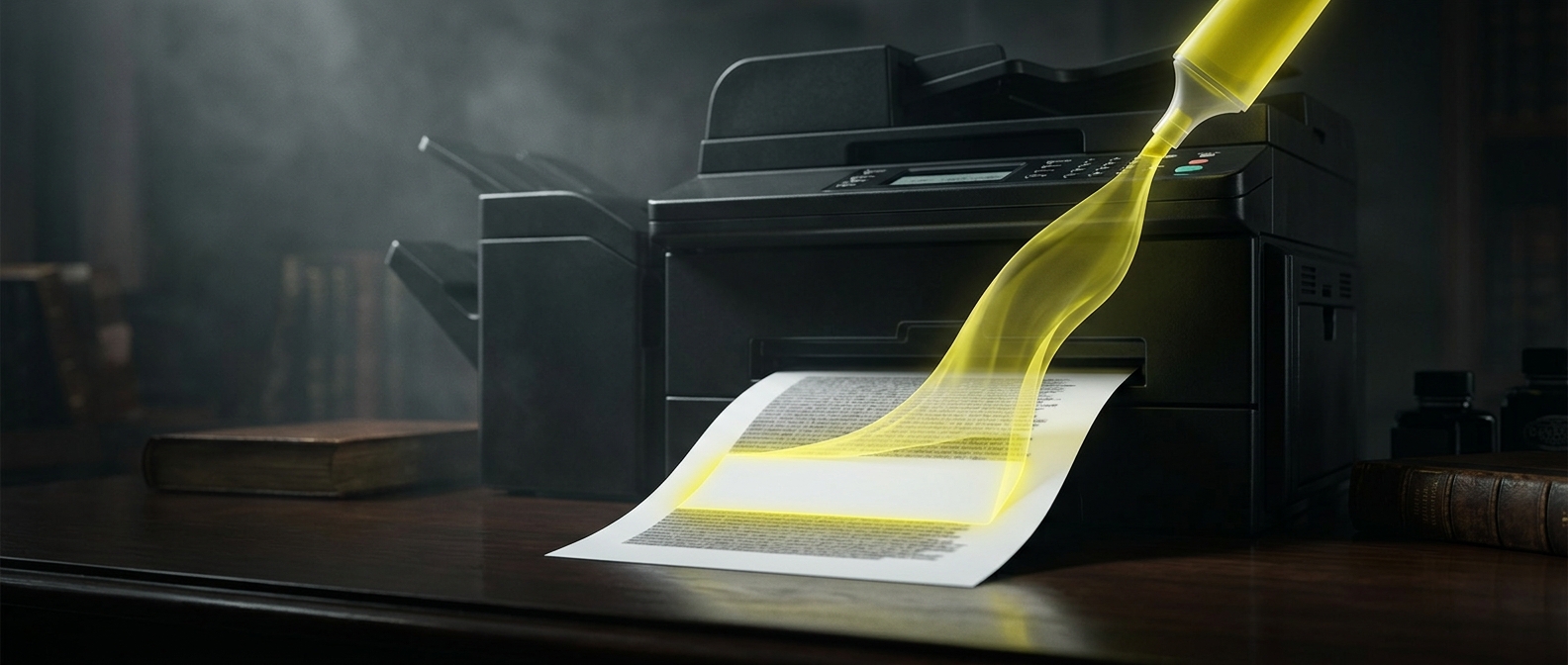
Why yellow highlighters vanish in photocopies
Many early copiers barely registered yellow ink, so the text reproduced while the highlight vanished. The page came back looking as if nobody had marked it.
Discover more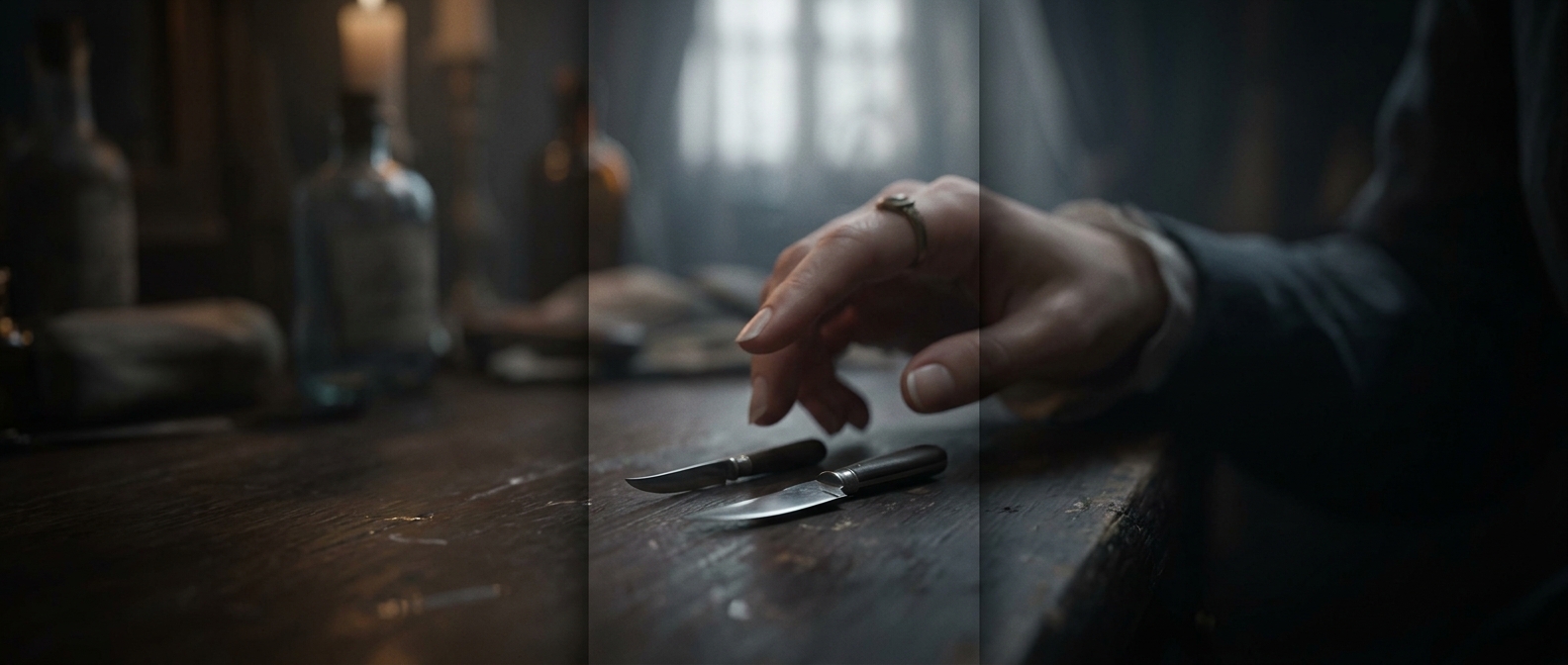
Before nail clippers, trimming nails meant using tiny knives
Before dedicated clippers, people pared their nails with tiny knives—a blade for a job that required a steady hand. One slip could cut the skin beside the nail.
Discover more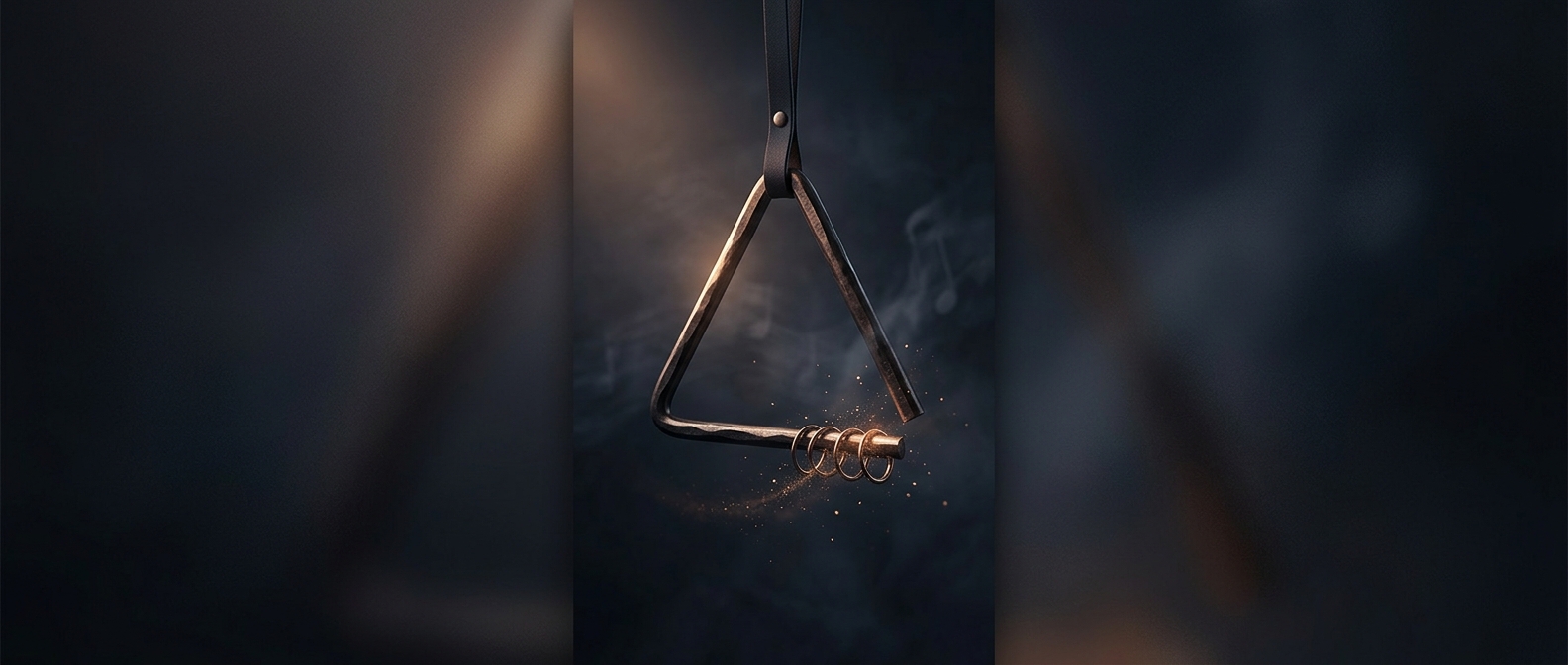
Triangles featured dangling metal rings for extra noise
Metal rings dangled from the triangle and rattled whenever it was struck. The instrument’s sound came with a built-in clatter.
Discover more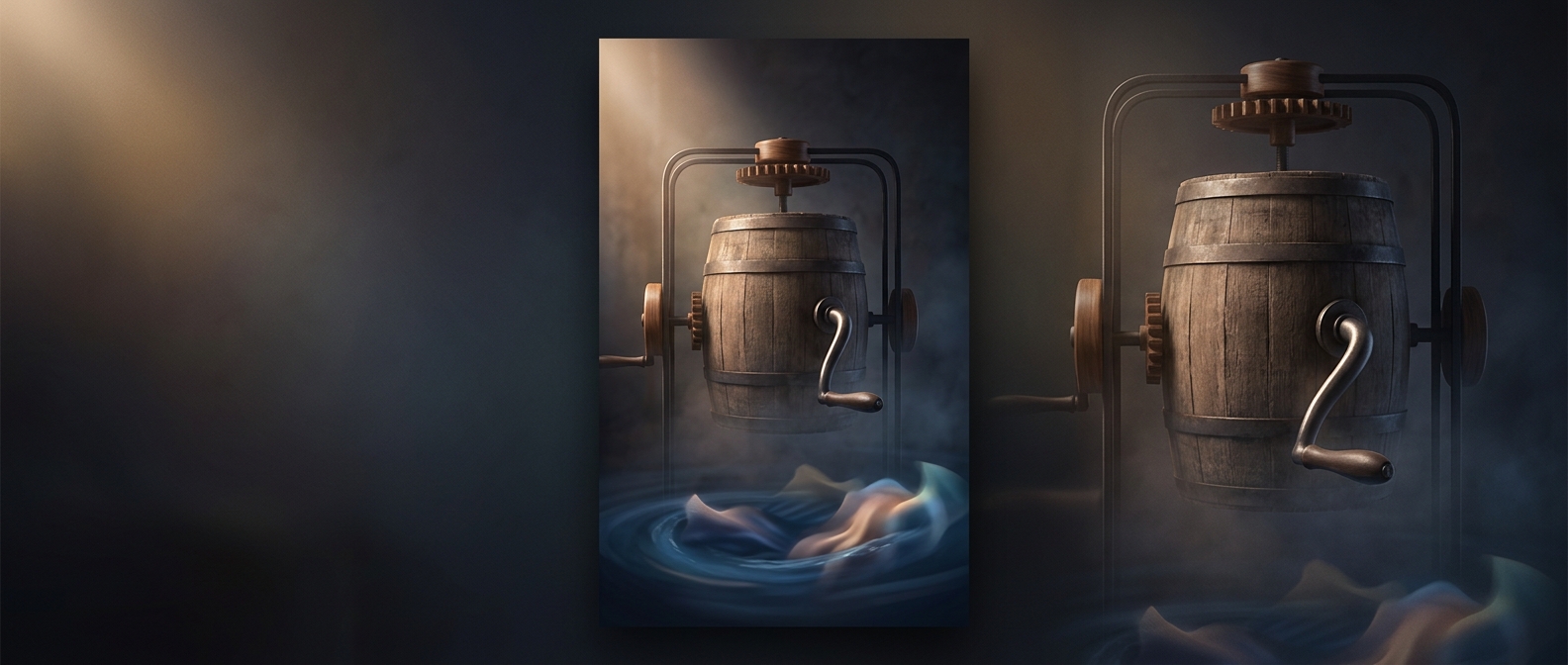
Washing machines were just barrels attached to hand cranks
The crank replaced some scrubbing with a different kind of work: turning a heavy handle beside boiling water. The machine promised to ease laundry, but early…
Discover more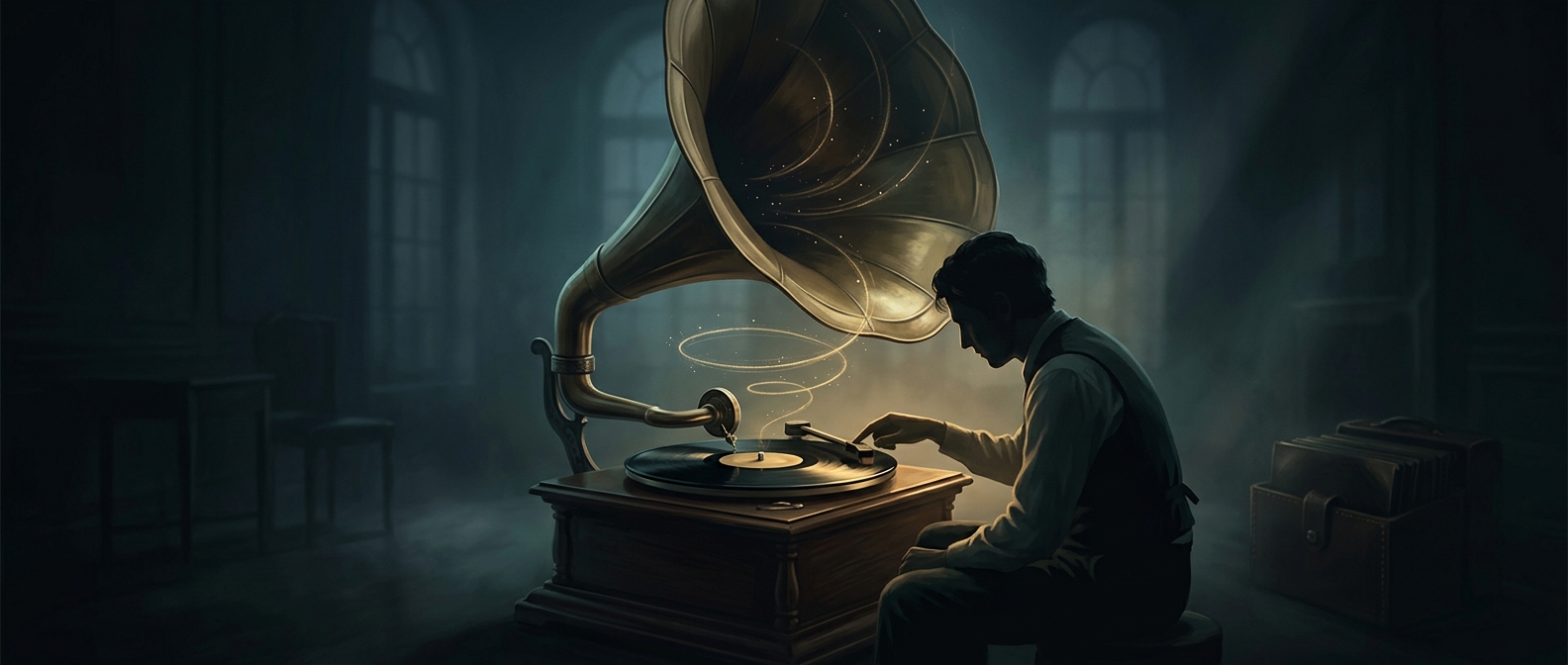
Turntables were built strictly for playback alone
Early turntables were built to protect records and play their grooves cleanly, not to scratch or manipulate them. DJs later turned the playback machine into…
Discover more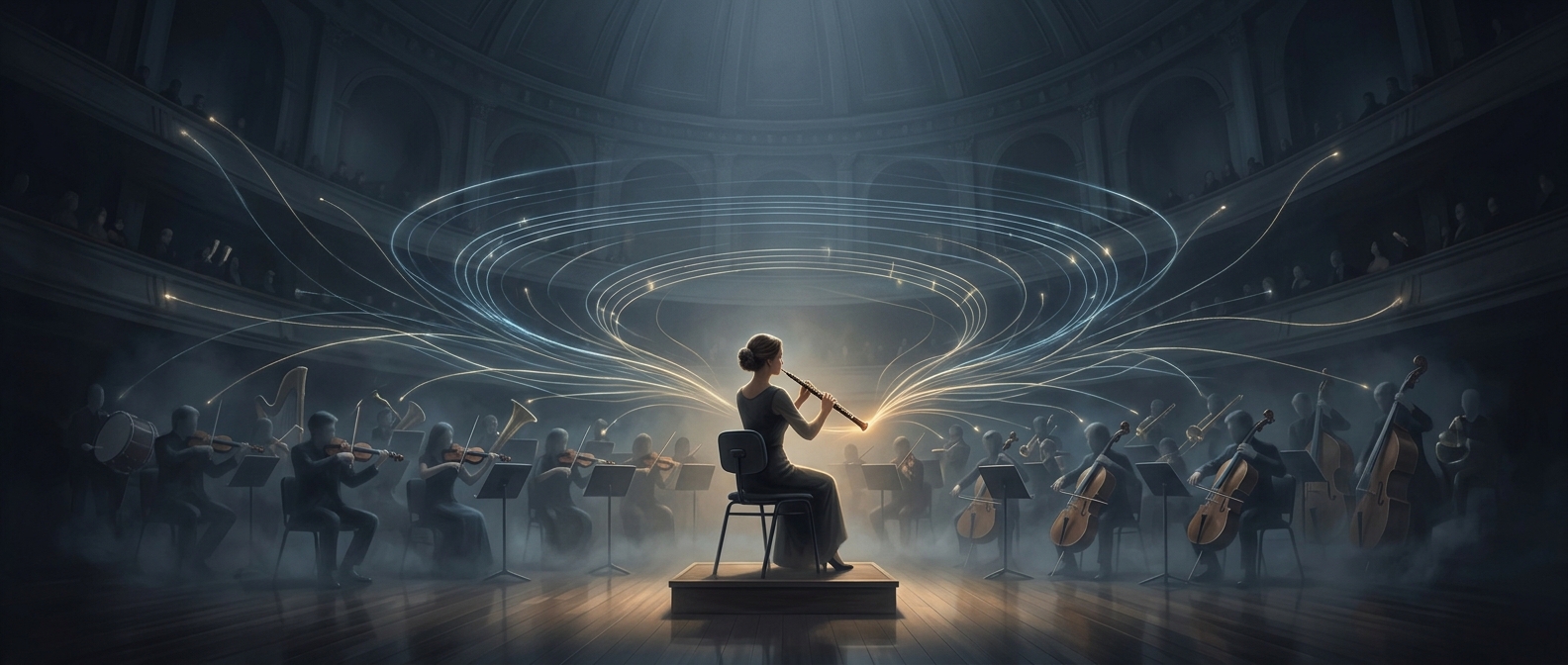
Oboes are heavily utilized to tune the entire orchestra
Before the orchestra plays, everyone needs the same pitch to tune to. The oboe supplies a steady reference, keeping dozens of instruments from starting in…
Discover more
Bagpipes have more than 130 relatives around the world
The Met describes varieties stretching from Sweden and Ireland to India, Libya, and the Middle East. The shared trick is a bag that stores air, letting pipes…
Discover more
Bell's early telephone used liquid to carry a voice
In his 1876 liquid transmitter, sound moved a needle in conductive liquid, changing the electrical resistance. The changing current carried the pattern of the…
Discover more
A doorknob turns a twist into a straight pull on a latch
The spindle inside the knob operates a mechanism that retracts the latch from the door frame. A spring returns it when the knob is released. The familiar…
Discover more
Flatiron Building winds drove pedestrians toward traffic
The Flatiron Building’s sharp triangular shape funneled wind down to street level. The gusts got so strong that police guarded pedestrians from being blown…
Discover more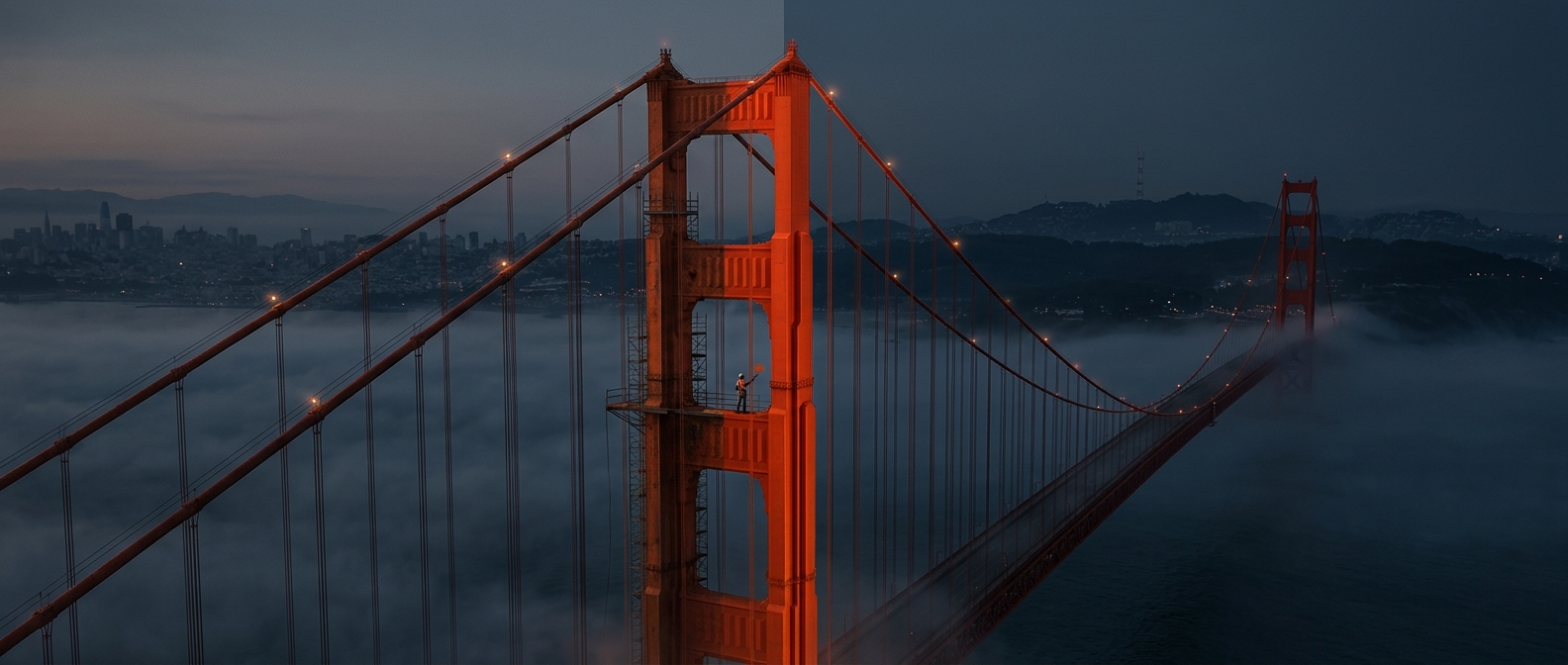
The Golden Gate Bridge could have worn black-and-yellow stripes
The Navy favored stripes to make the bridge conspicuous to ships. Architect Irving Morrow instead championed International Orange, which stood out against sea…
Discover more
Cable TV began in towns blocked by mountains
Mountains blocked broadcast signals, so local appliance-store owners put antennas on peaks and ran wires down to homes. They solved the reception problem—and…
Discover more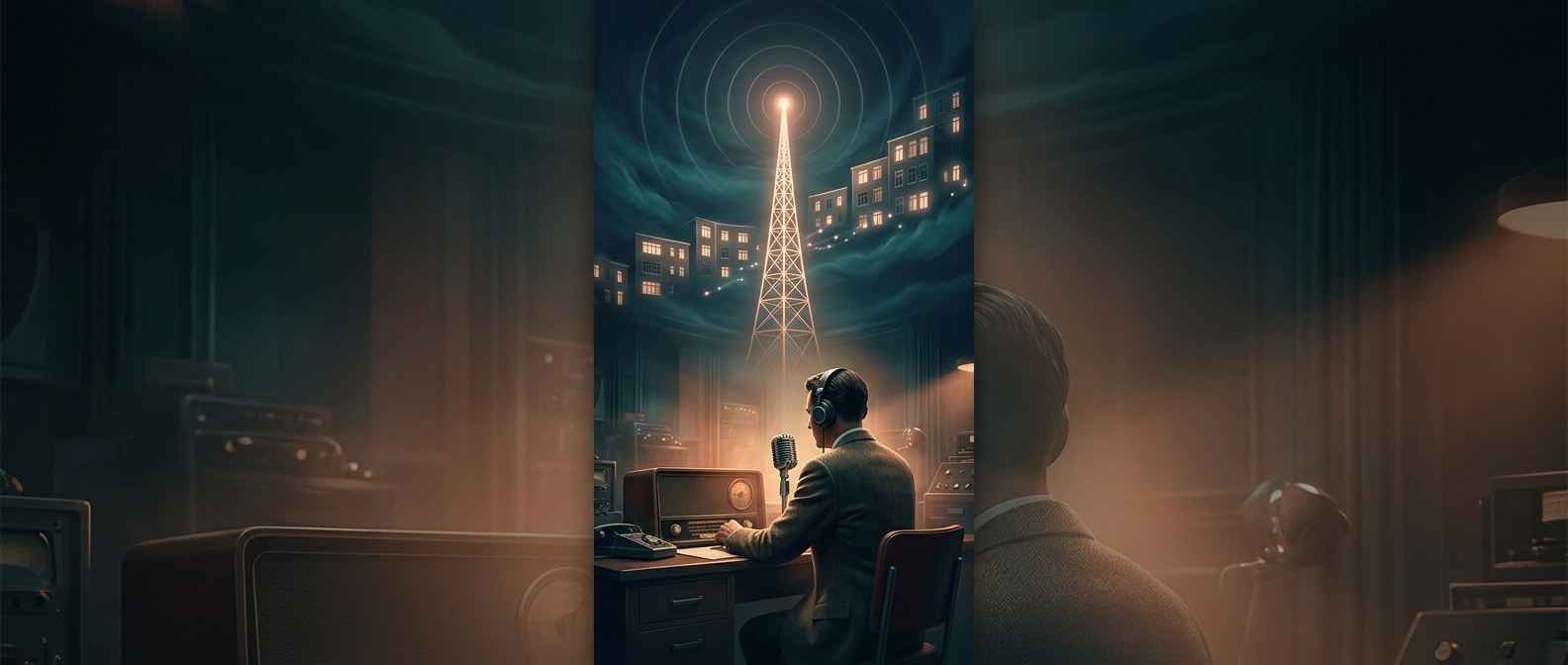
An early radio commercial gave apartments ten minutes on air
In 1922, New York station WEAF sold airtime for a Queensboro Corporation pitch promoting apartments. It is widely cited as a landmark in paid radio…
Discover more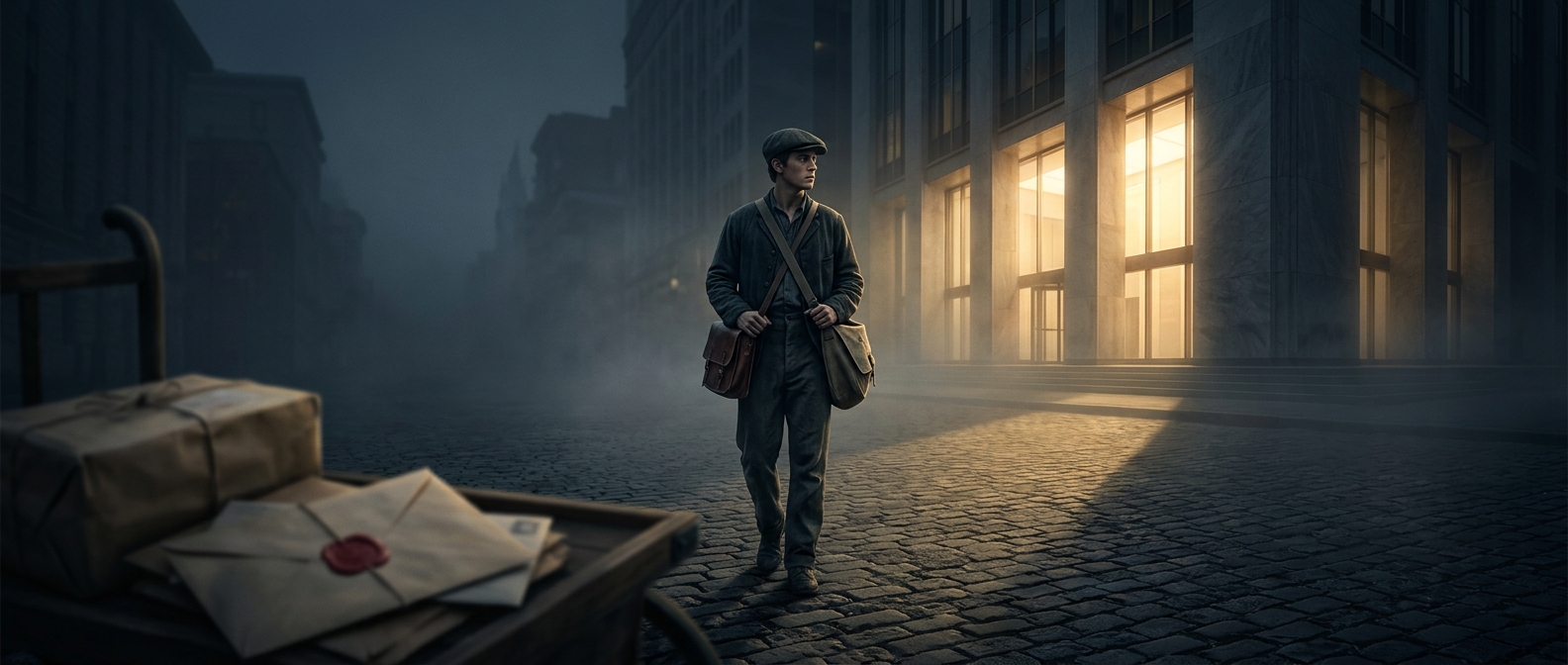
American Express began with stagecoaches
American Express first hauled freight by stagecoach, then shifted toward financial services. Moving documents was easier than moving parcels—and paper…
Discover more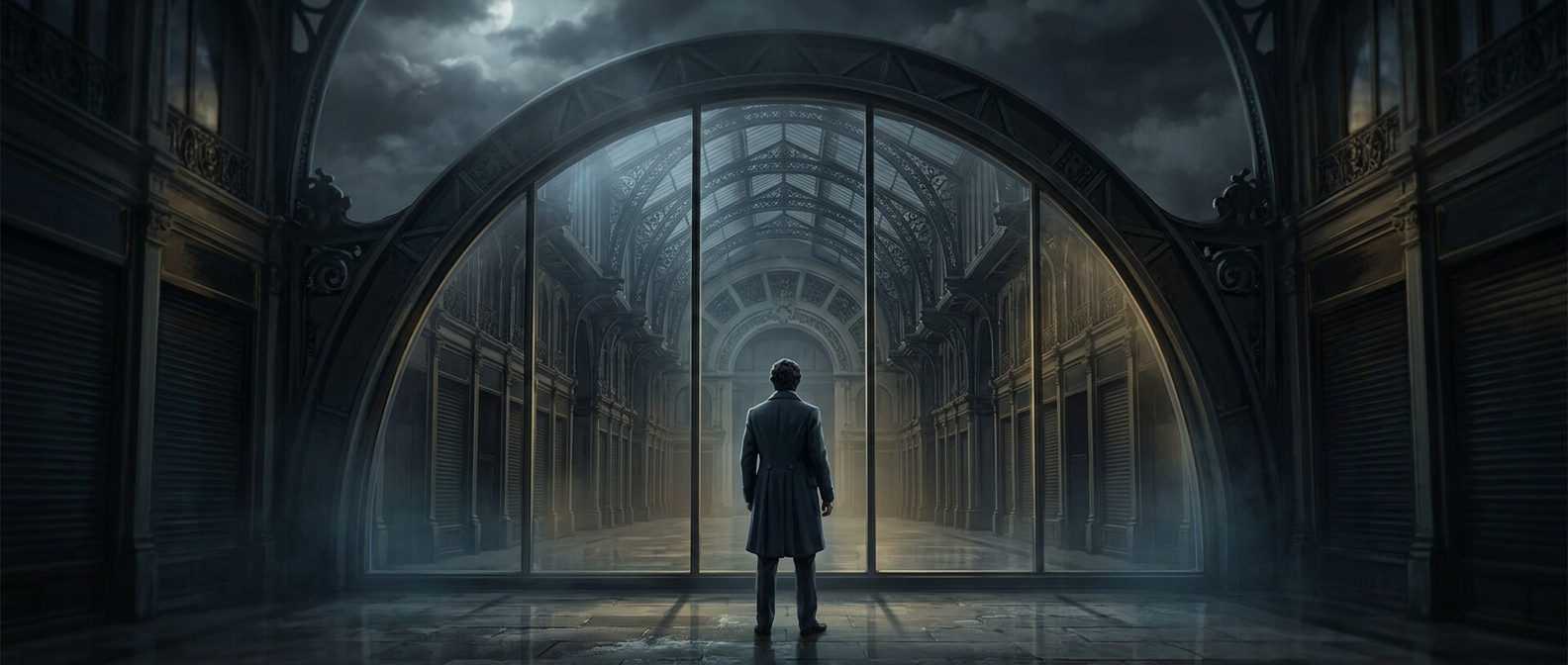
A Minnesota mall put a tropical garden under its roof
Southdale opened in 1956 with a climate-controlled interior, skylights, greenery, a fishpond, and a two-story birdcage. Outside was Minnesota weather; inside…
Discover more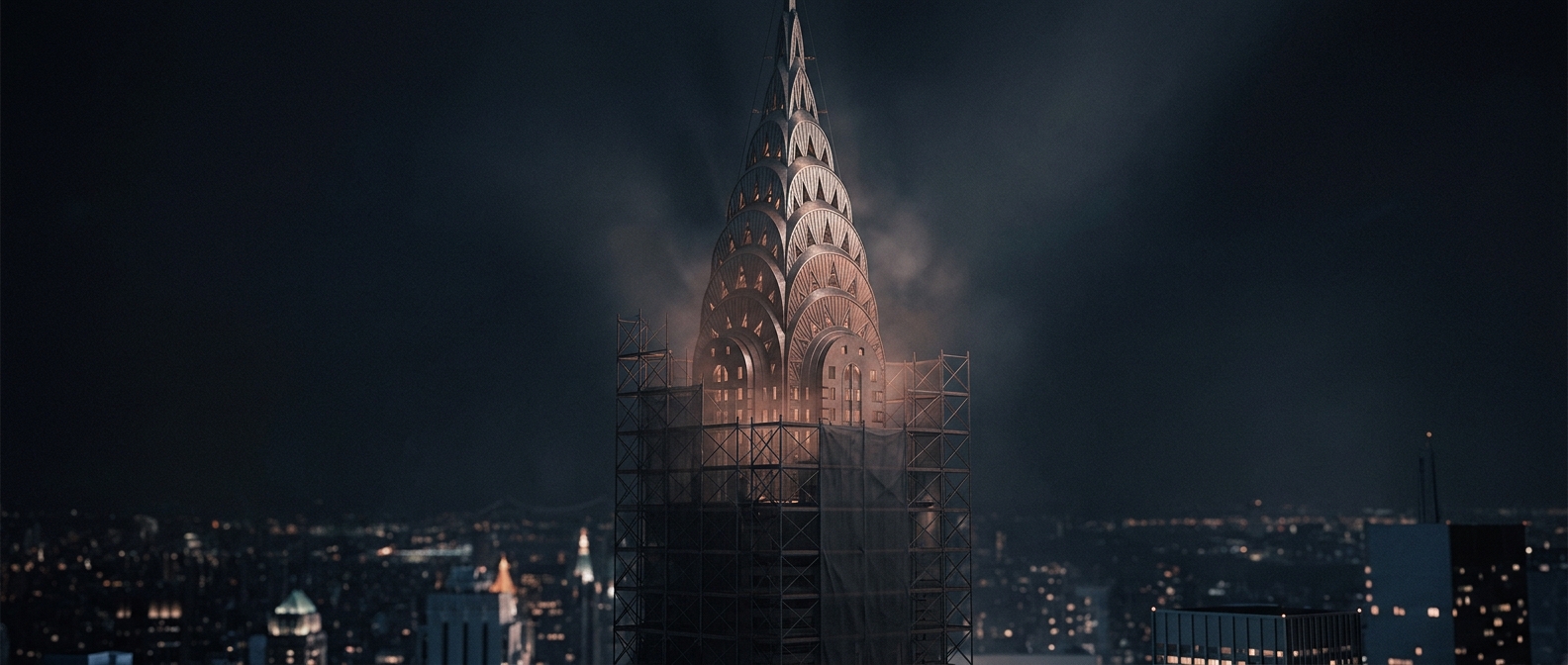
The Chrysler Building won the height race with a hidden spire
With rival skyscrapers nearing completion, the Chrysler team hid its steel spire inside the building, then raised it at the last minute. The sudden crown won…
Discover more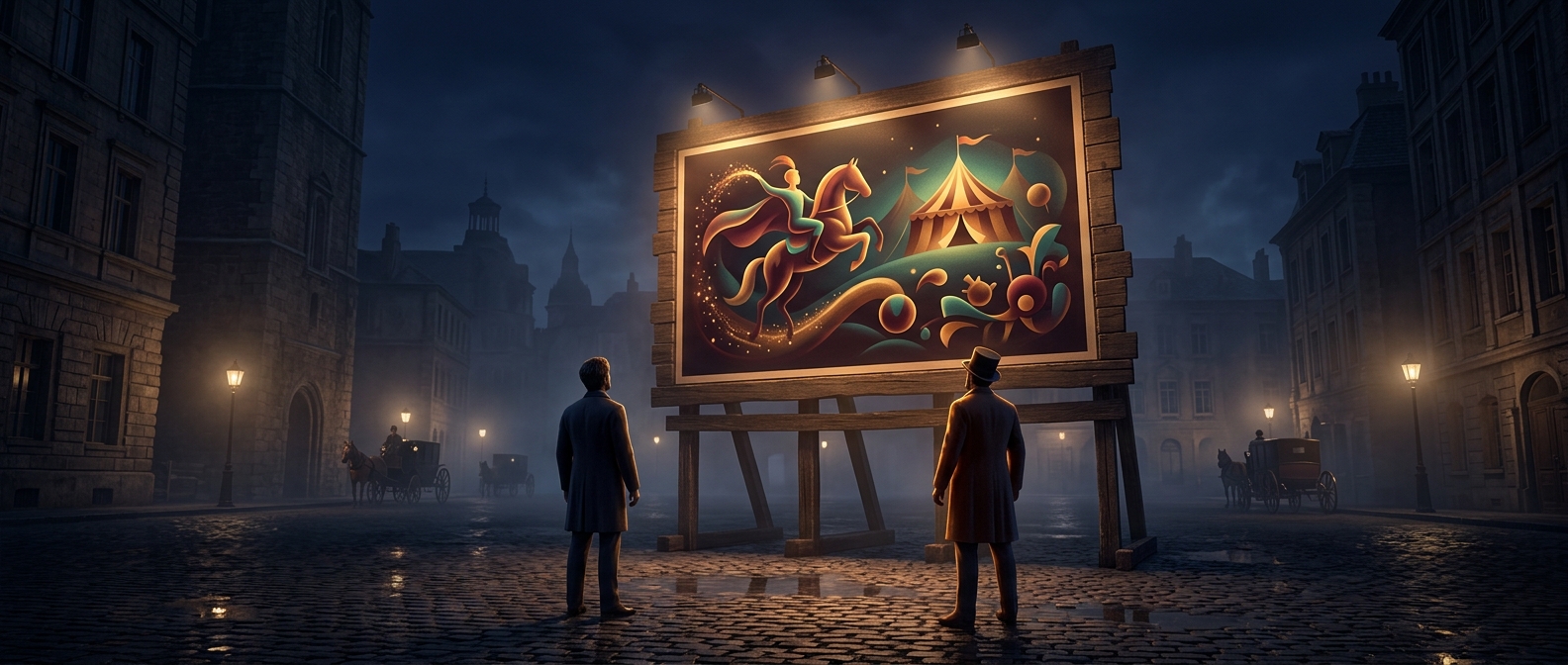
First outdoor billboard advertised a local circus
A huge 1835 poster announced a traveling circus, using sheer size to catch the public’s eye. Before it could sell a show, the billboard had to make people look.
Discover more