When airtime became something to sell
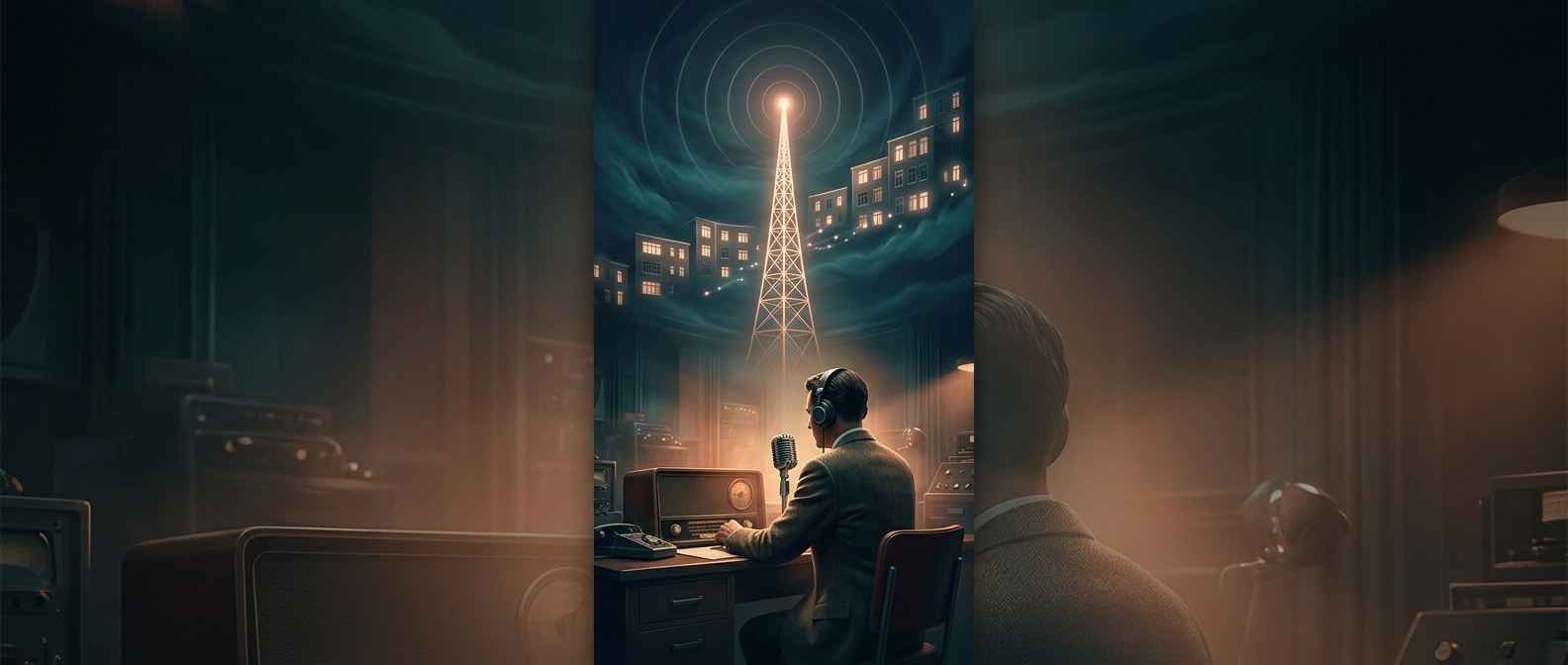
In 1922, radio was still a new household technology, and stations needed a way to pay for the equipment and work behind their broadcasts. One answer was to sell a block of airtime to a business. The buyer could speak directly to listeners, turning the station’s transmitter into a sales channel.
The apartment pitch was delivered live, not packaged as a modern commercial with recorded music and a slogan. For ten minutes, the broadcast itself was the advertisement: a spoken case for renting apartments, sent into homes through the radio.
A new bargain between stations and businesses
The arrangement joined two needs. A real-estate company could reach people without visiting them one by one; a station could earn money by providing access to its audience. Listeners, meanwhile, received programming that was supported in part by a seller’s message.
That bargain helped establish a lasting feature of commercial broadcasting: the program could be free to the listener because a business paid for the chance to reach that listener. Later ads became shorter and more polished, but the basic exchange was already there. The early pitch’s ten minutes show how directly that exchange began: a salesperson simply had the microphone long enough to make the case.