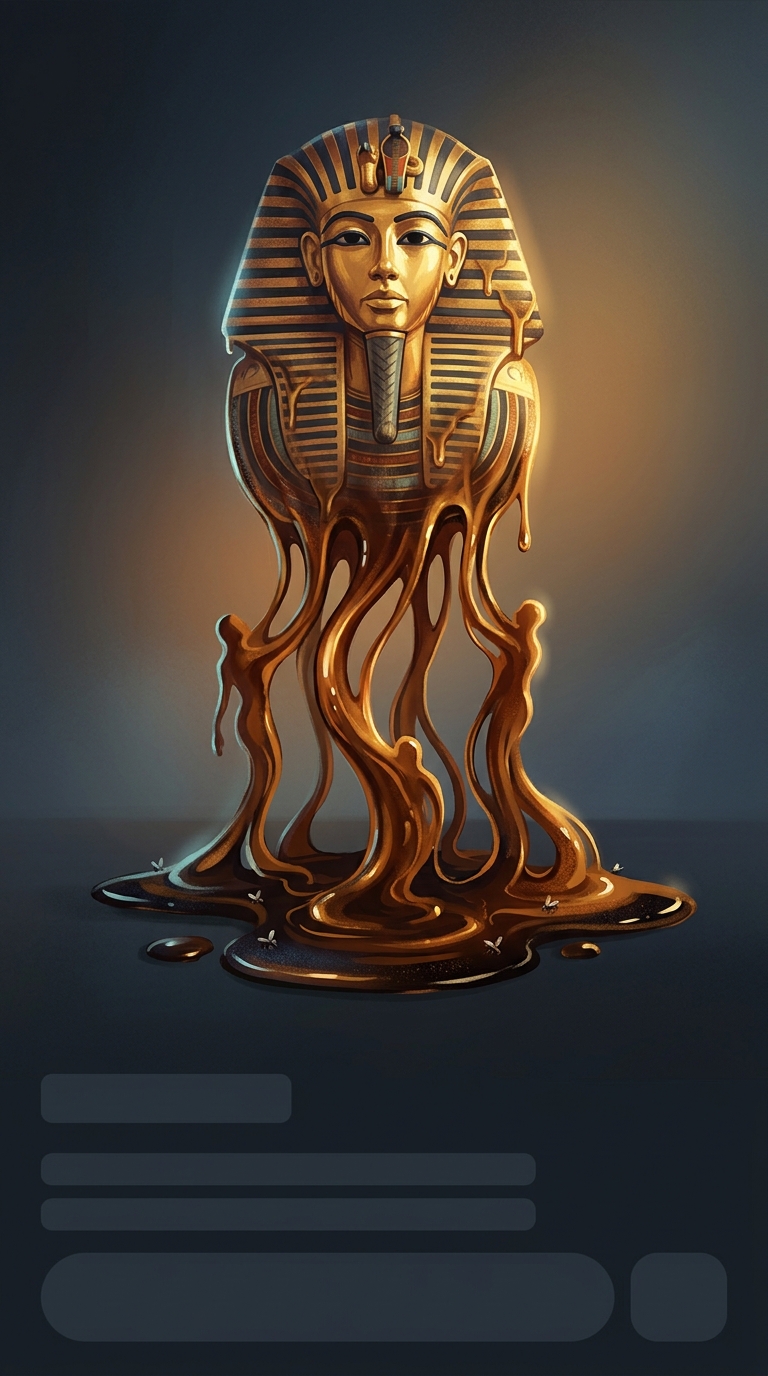
How a tomb became a newspaper curse
When Howard Carter’s team uncovered Tutankhamun’s tomb in 1922, the discovery offered newspapers a rare mix of mystery, treasure and ancient history. But access to the excavation was tightly controlled: The Times had exclusive rights to report it, leaving rival papers to compete for scraps of information and attention. A supernatural threat made a more gripping story than the slow work of documenting a tomb.
The curse narrative was not supported by a warning carved inside Tutankhamun’s tomb. Rather, reports and rumors turned the danger supposedly awaiting anyone who disturbed the pharaoh’s rest into a ready-made plot. It drew on familiar ideas about ancient magic, but gave them a new, timely target: Carter’s excavation.
A death supplied the dramatic ending
Lord Carnarvon, who financed the expedition, died in Cairo in April 1923, months after the tomb was opened. He had developed a serious infection following a mosquito bite. The timing invited a simple, dramatic connection: the tomb had been disturbed, and its backer had died.
That connection was not evidence of a supernatural cause. It was a narrative built by placing two real events beside each other and treating coincidence as a warning fulfilled. Once the curse story was circulating, Carnarvon’s death seemed to confirm it, while the many people who entered or worked around the tomb without dying rarely made comparable headlines.
Why the story outlived the evidence
A curse offered a vivid explanation with a villain, a rule and a consequence. It also transformed an ordinary chain of events—an excavation, an infection and a death—into a serialized mystery readers could follow. The press did not need proof of ancient magic for the story to sell; it needed a striking coincidence and a reason to keep telling it.
That is the lasting trick of the legend: Carnarvon’s death was real, but the curse was the interpretation attached to it.