A skyscraper’s hidden finishing move
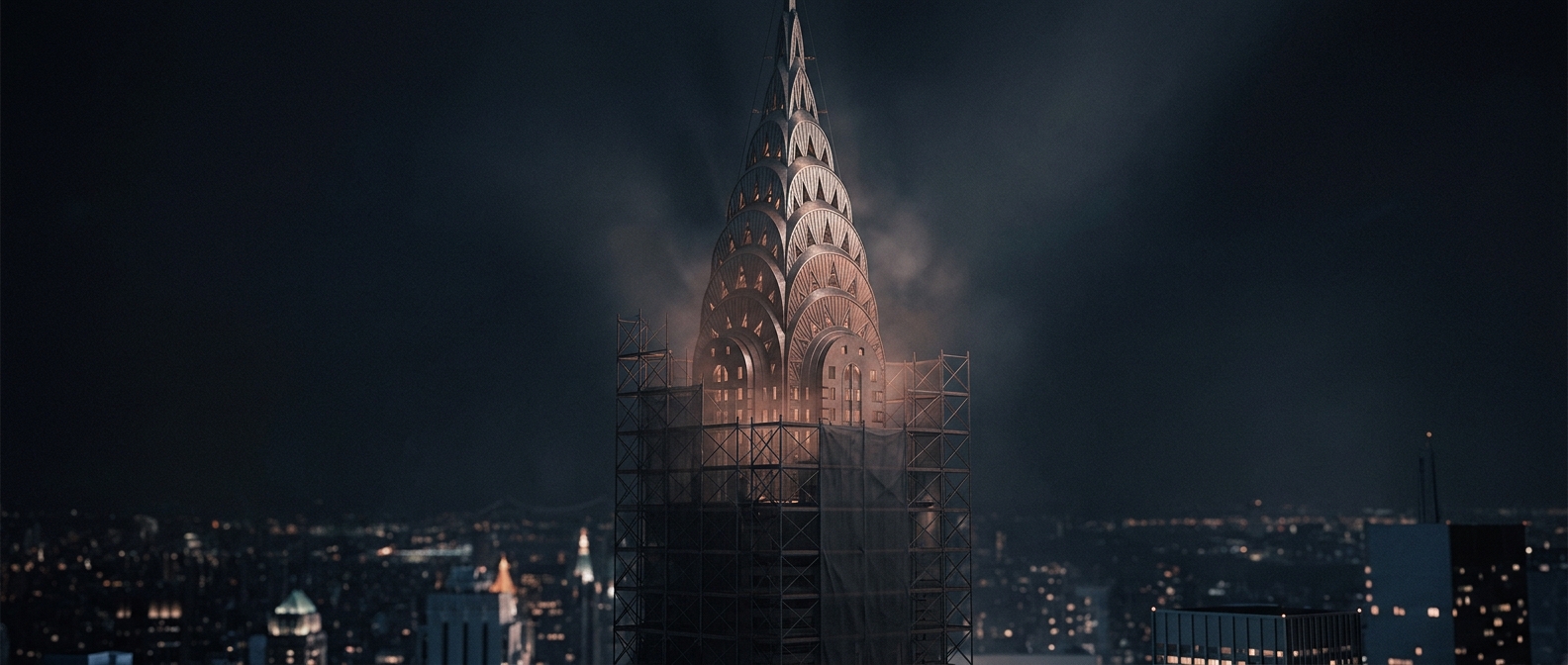
In the late 1920s, New York’s building boom turned height into a public contest. The Chrysler Building’s architect, William Van Alen, was competing with a rival project at 40 Wall Street, whose developers expected their tower to be the city’s tallest. A conventional roofline would not have put Chrysler securely ahead, so Van Alen designed a tall steel spire to crown the building.
The trick was keeping that advantage out of sight. Rather than erect the spire piece by piece above the roof, the team assembled its sections inside the building. From the street, the structure appeared to be nearing completion without revealing how much height remained in reserve.
The crown goes up
When the moment came, workers hoisted the assembled steel sections through the roof using a derrick—a lifting frame with cables and pulleys. The operation took about 90 minutes. Once in place, the spire added roughly 125 feet, bringing the Chrysler Building to 1,046 feet and making it taller than its rival.
That concealed construction changed the contest’s timing as well as its result: competitors could estimate the height they could see, but not the tower’s final height. The spire was both a structural element and a surprise kept out of the skyline until the building was ready to claim its place above it.