History
Discover facts about history. Small discoveries that change the way you see familiar things.
History
When sinister simply meant left-handed
The Latin root of “sinister” meant “left,” but the word later came to suggest evil and ill omen—a linguistic bias against left-handedness.
Discover more
Spinster was once an ordinary job title
Spinster began as a job title for women who earned a living spinning thread. Later, the word shifted from what a woman did for work to whether she was…
Discover more
Why your muscles are named after little mice
The Latin word musculus means “little mouse.” A flexed biceps was thought to look like a small animal moving beneath the skin.
Discover more
Hockey opened the ice by loosening forward-passing rules
Early restrictions forced teams to carry the puck forward or pass sideways and backward. The NHL expanded permission in stages, including the attacking zone…
Discover more
High-waisted trousers can make legs start higher than they do
Raising the visible waistband changes the proportions of the outfit, especially when a jacket hides the actual join between torso and legs. The eye follows…
Discover more
When actors stopped pretending audiences weren't there
For centuries, actors spoke directly to audiences, breaking character to engage the crowd. Only later did a rigid theatrical style demand that everyone…
Discover more STACKY FOR IPHONE
A bigger world.
One discovery
at a time.
Keep discovering with Stacky. Interesting facts in an app that is always within reach.

When tennis players used their bare hands
Before rackets, players hit a dense ball with their bare hands. The game demanded a lot from its players’ palms; the racket was a welcome upgrade.
Discover more
How a cheap lace became a word for gaudy
Cheap necklaces sold at local saints' fairs gave us the word “tawdry.” Their gaudy, shoddy look supplied a lasting name for things that try to look grand on…
Discover more
The word boy once described adult servants
It referred to adult men in domestic service, regardless of age, marking their subordinate status rather than their youth.
Discover more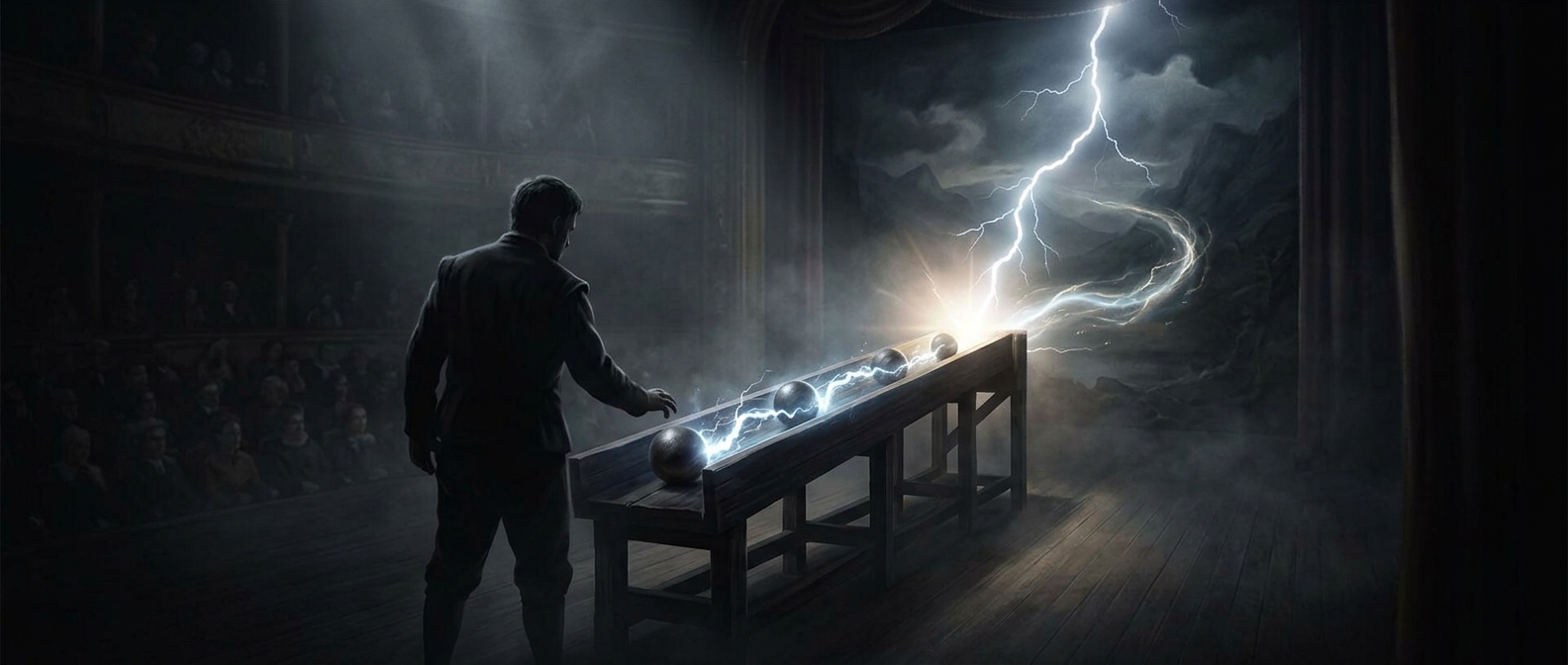
In the stolen-thunder story, the thunder really was a stage effect
The anecdote says John Dennis heard his invention used for Macbeth after his own play had failed at the same theater. The effect survived the production it…
Discover more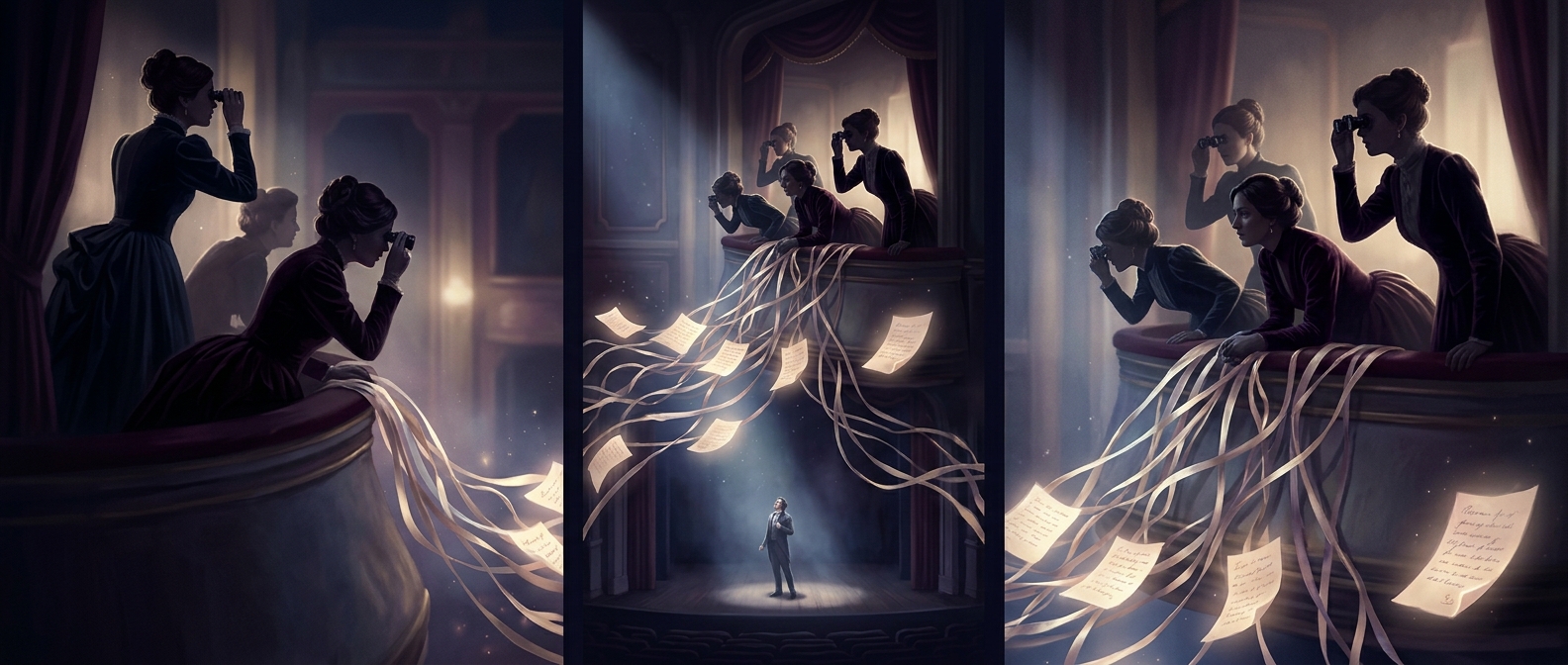
Victorian women had intense fan clubs for actors
Respectable women formed fan clubs devoted to handsome stage performers and followed them closely. Celebrity fandom long predates the internet.
Discover more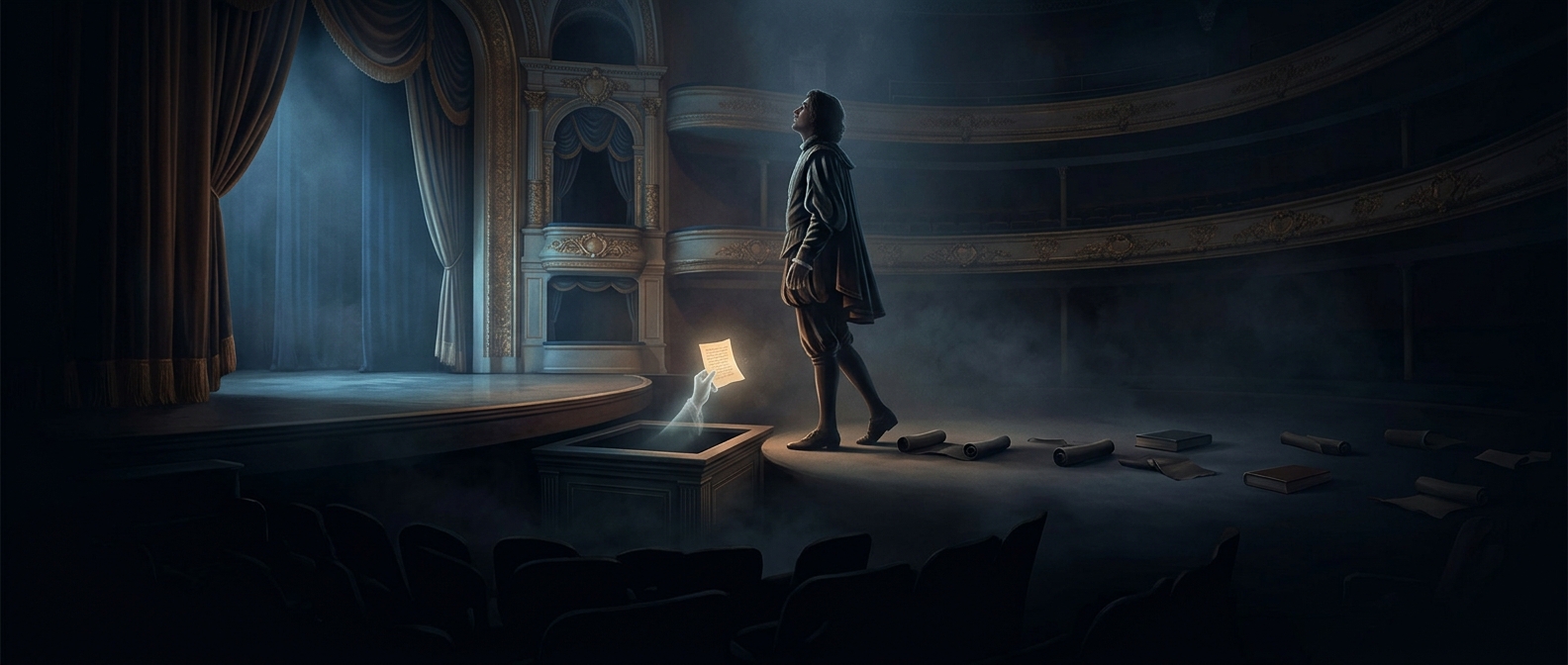
The tiny box that fed actors their lines
When an actor lost a line, a prompter tucked into a wooden box at the front of the stage whispered it back. The theater’s emergency backup was a person in a…
Discover more
The man who got rich by farting onstage
Joseph Pujol could draw air in through his rectum and release it at will, turning the act into a Moulin Rouge performance. He played a flute and blew out…
Discover more
Mumbai routes home-cooked lunches with labels and handoffs
Lunches move from home kitchens to offices through handoffs among teams of dabbawalas. Color-coded markings tell each worker where a tiffin goes, letting the…
Discover more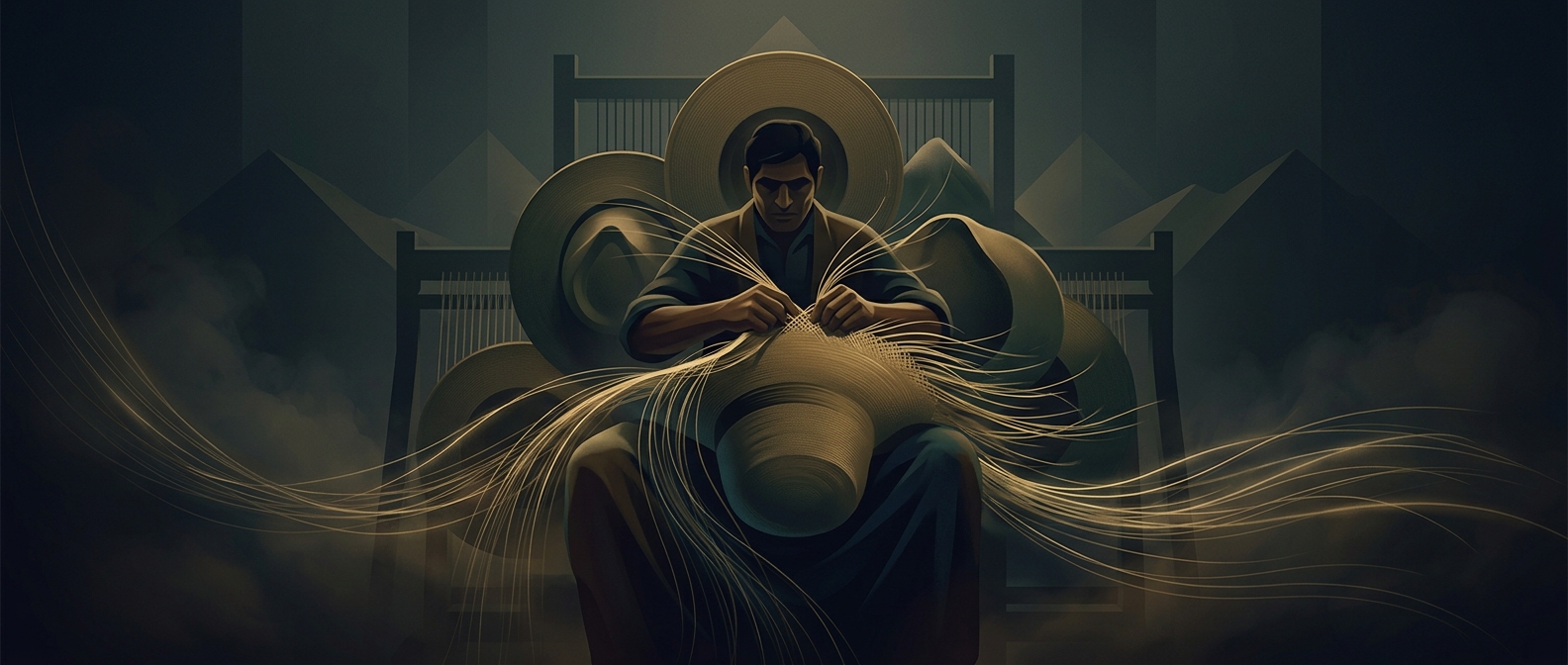
Panama hats are actually made in Ecuador
Ecuadorian weavers make genuine Panama hats, but the hats became known by the shipping route they traveled through. The name stuck to the transit point, not…
Discover more
The island inside a lake inside an island
Vulcan Point is a tiny island in a lake on Volcano Island, which sits in Taal Lake on the Philippine island of Luzon—a geographic nesting doll.
Discover more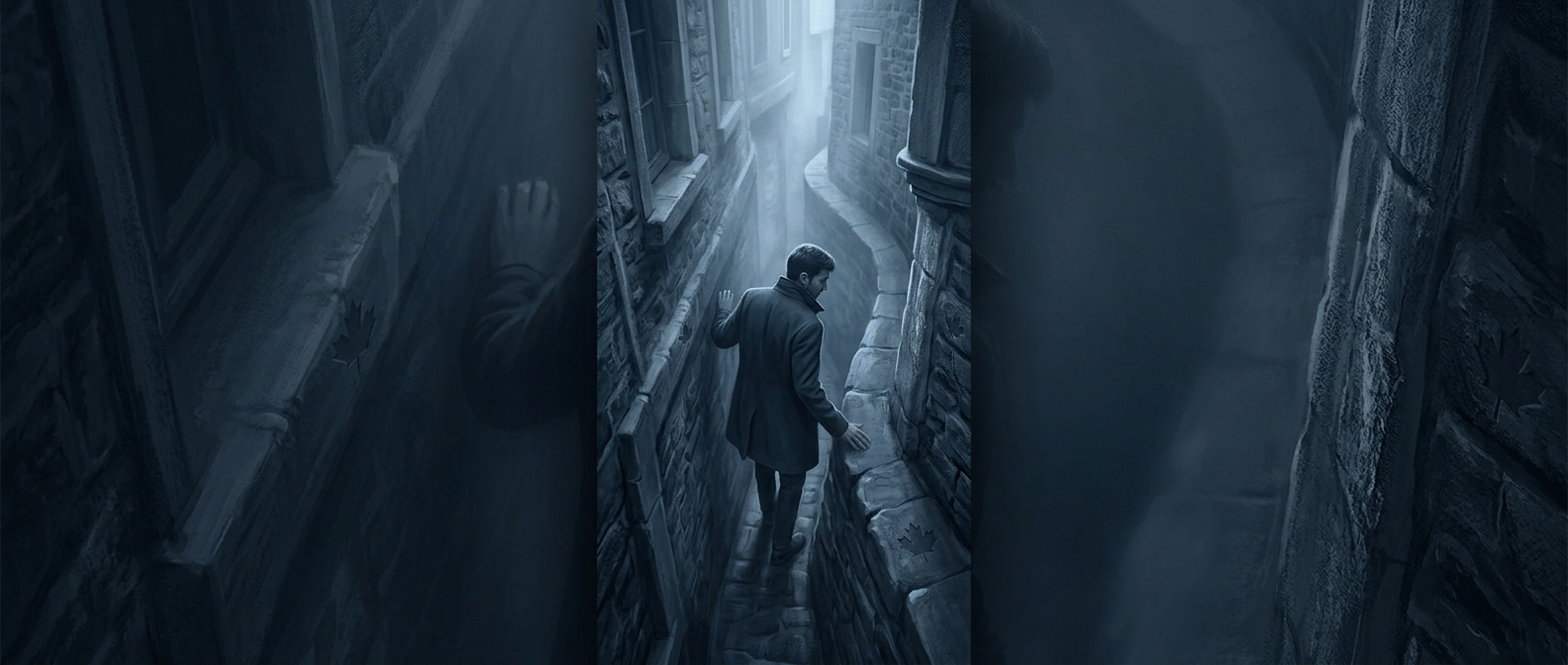
Canada's Fan Tan Alley narrows to less than a meter
The passage in Victoria's Chinatown began in a district of shops, gambling rooms, and other businesses. Its tightest stretch makes the gap between buildings…
Discover more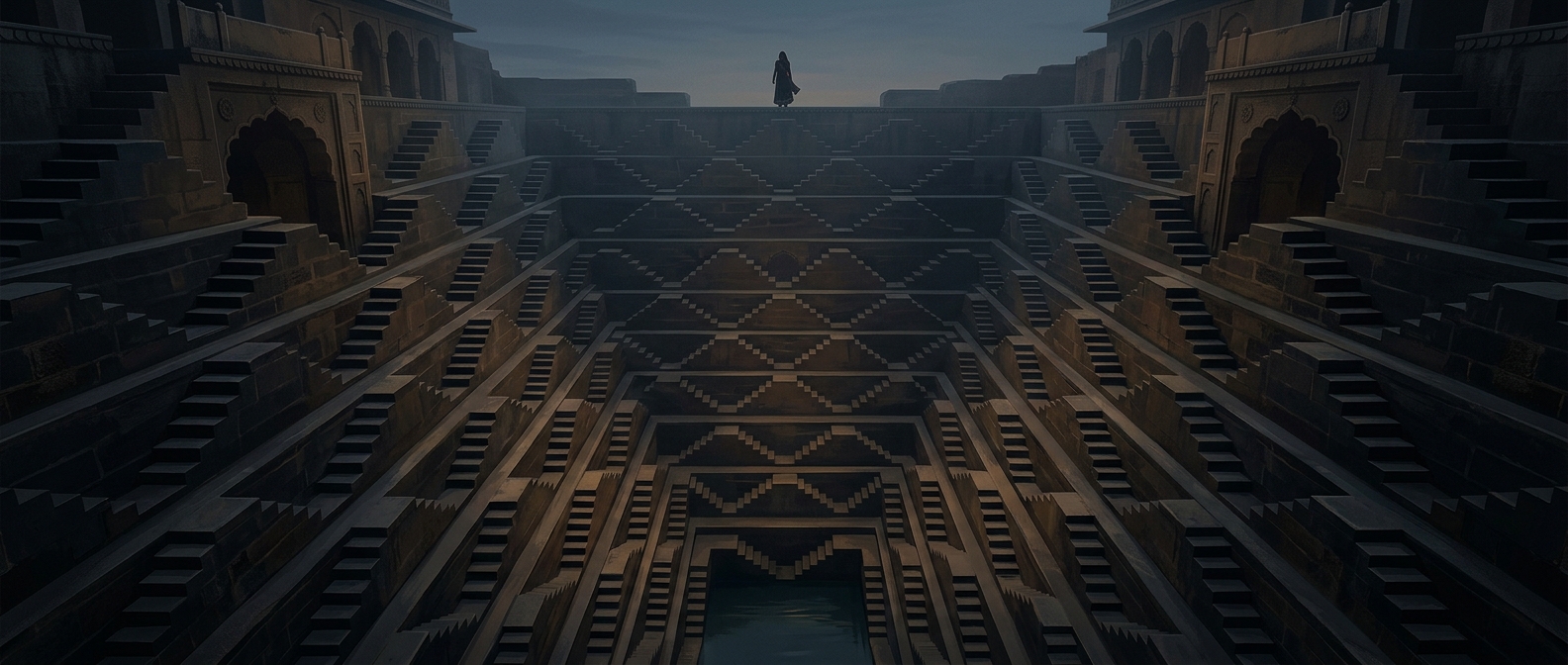
Chand Baori turned a water source into 3,500 steps
The stepwell at Abhaneri in Rajasthan descends through 13 levels. Its repeating staircases let people approach water as the level changed, while the depth…
Discover more
Nearly 200,000 fans once packed Maracanã
The 1950 World Cup decider drew an estimated 199,854 people, the largest recorded crowd for a match. Most were there to see Brazil win; Uruguay beat the home…
Discover more
Kiribati moved the date line to stay on one day
Kiribati’s islands straddled the International Date Line, leaving parts of the country on different calendar days. In 1995, the government shifted the line…
Discover more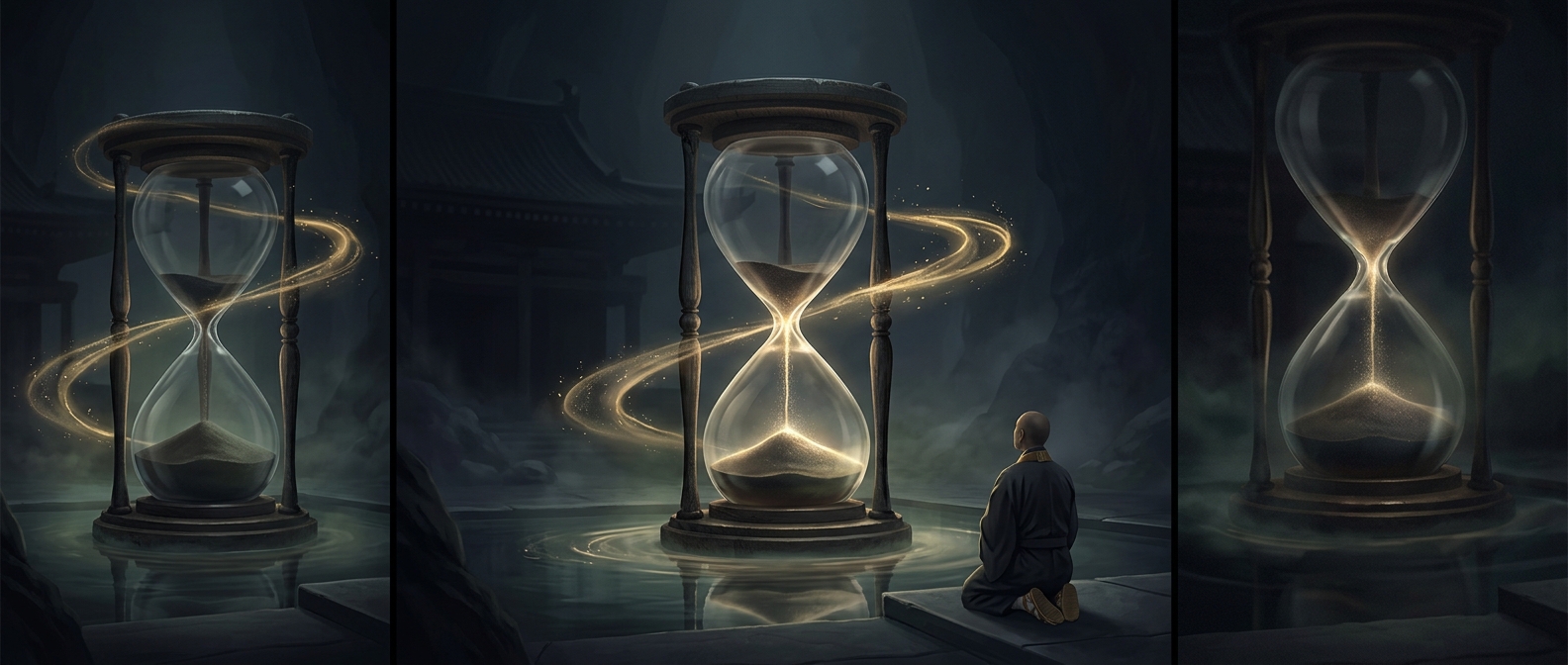
The hourglass that takes a full year to empty
The hourglass in Nima is more than five meters tall and takes a full year to empty.
Discover more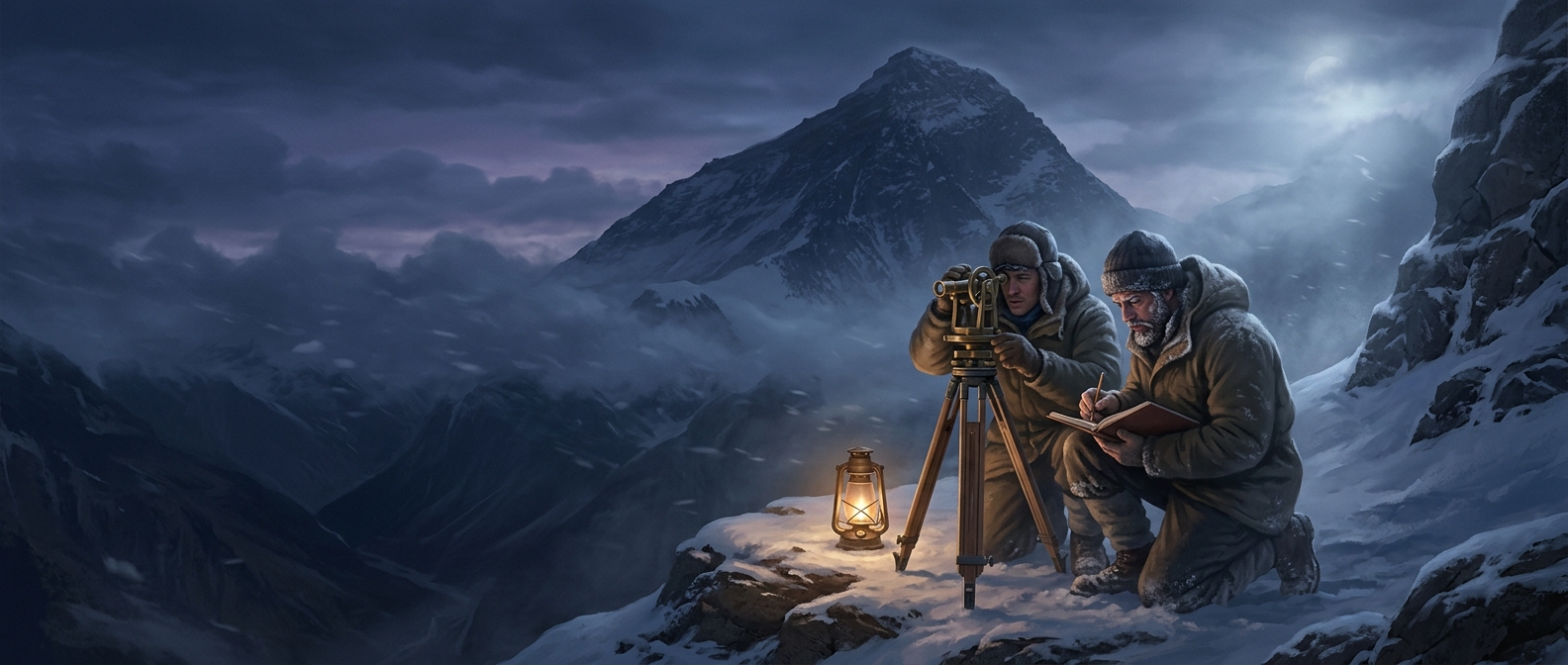
Why surveyors made Everest two feet taller
The calculated height was 29,000 feet, but surveyors worried that such a perfectly round figure would look like a guess. They added two feet to make the…
Discover more
The railway that drops down a 52-degree cliff
Its 52-degree descent turns a sightseeing trip into something like a slow-motion roller coaster ride.
Discover more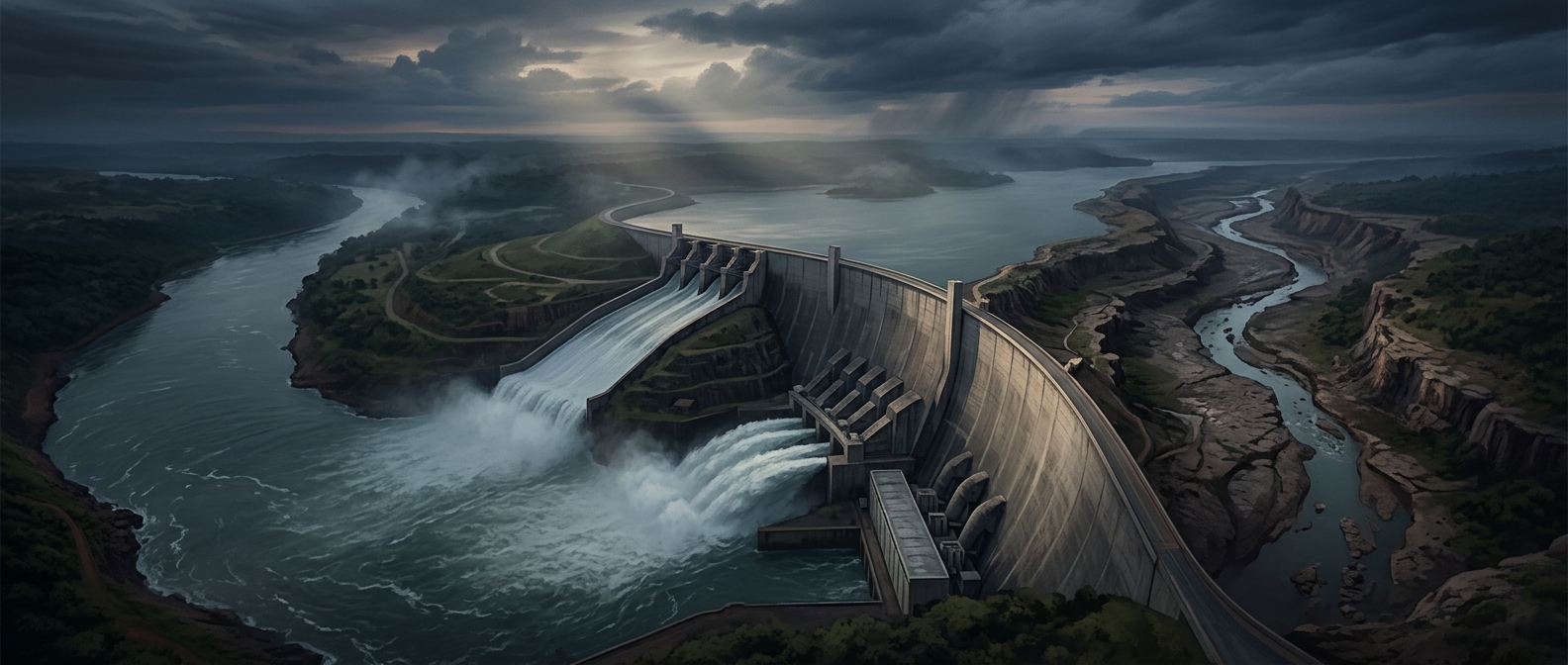
Massive Brazilian dam fully shifted a massive river
Engineers cut a channel through solid rock and diverted the Paraná River through it, clearing the site for Itaipu Dam. Instead of building against the river,…
Discover more