From a craft to a category
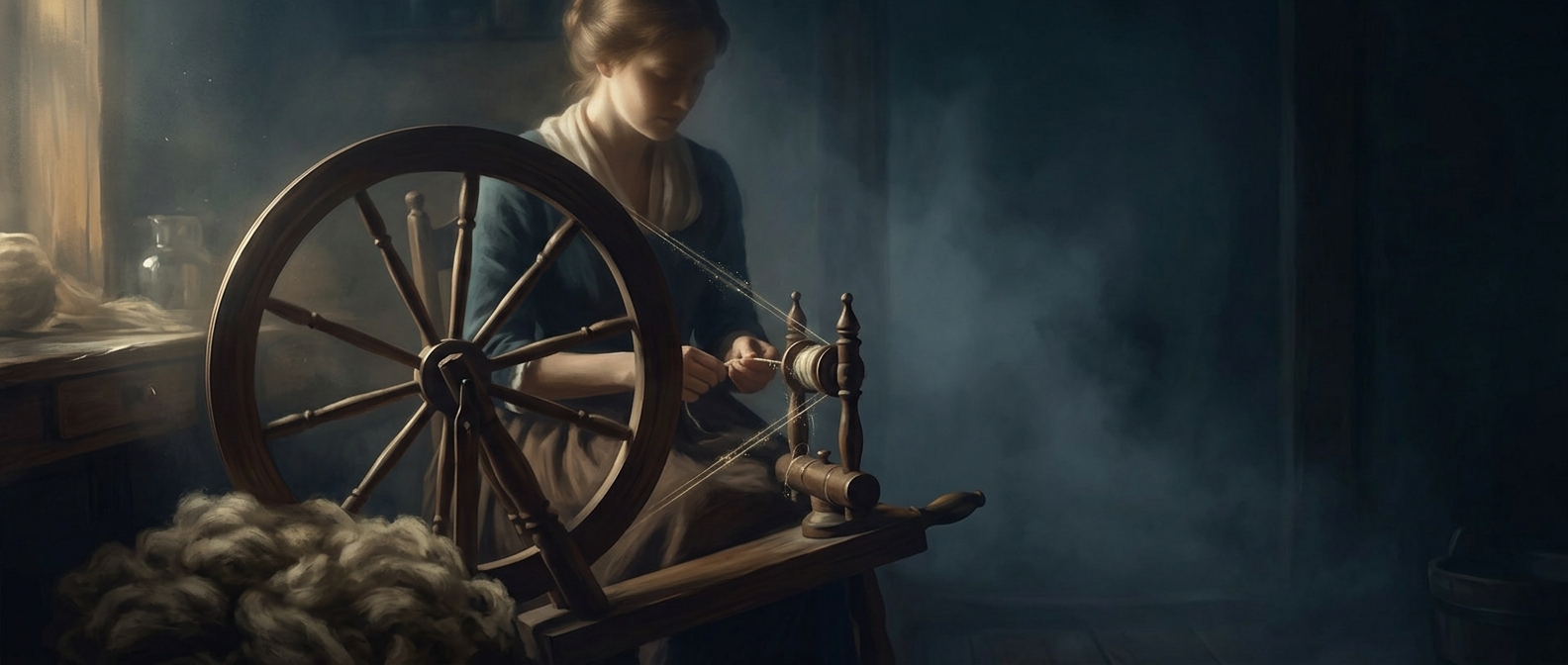
A spinster was originally a woman who spun fibers into thread. Spinning meant drawing out wool or another fiber and twisting it so the strands held together—a repetitive skill that turned raw material into something weavable and saleable. The word named the work, much as other occupational terms named what a person did for a living.
The ending -ster once formed words for people who performed an activity. Over time, spinster stopped functioning mainly as a description of a trade and became a label for an unmarried woman. In some formal records, it could identify a woman’s marital status rather than her occupation.
When work became a social label
That change reflects a broader shift in what the word was used to tell readers. A woman’s work could be important to her livelihood, but a document or conversation might treat whether she had married as the more relevant fact. The old occupational term offered a ready-made word for that status—and, as its meaning narrowed, it carried assumptions about women who remained unmarried.
The transition was gradual, not a single moment when the trade name was officially replaced. The original sense survived even as the social one became familiar. That layered history is why spinster can sound less like a neutral description of work and more like a judgment about a woman’s life: the word moved from what someone made to how society classified her.