History
Discover facts about history. Small discoveries that change the way you see familiar things.
History
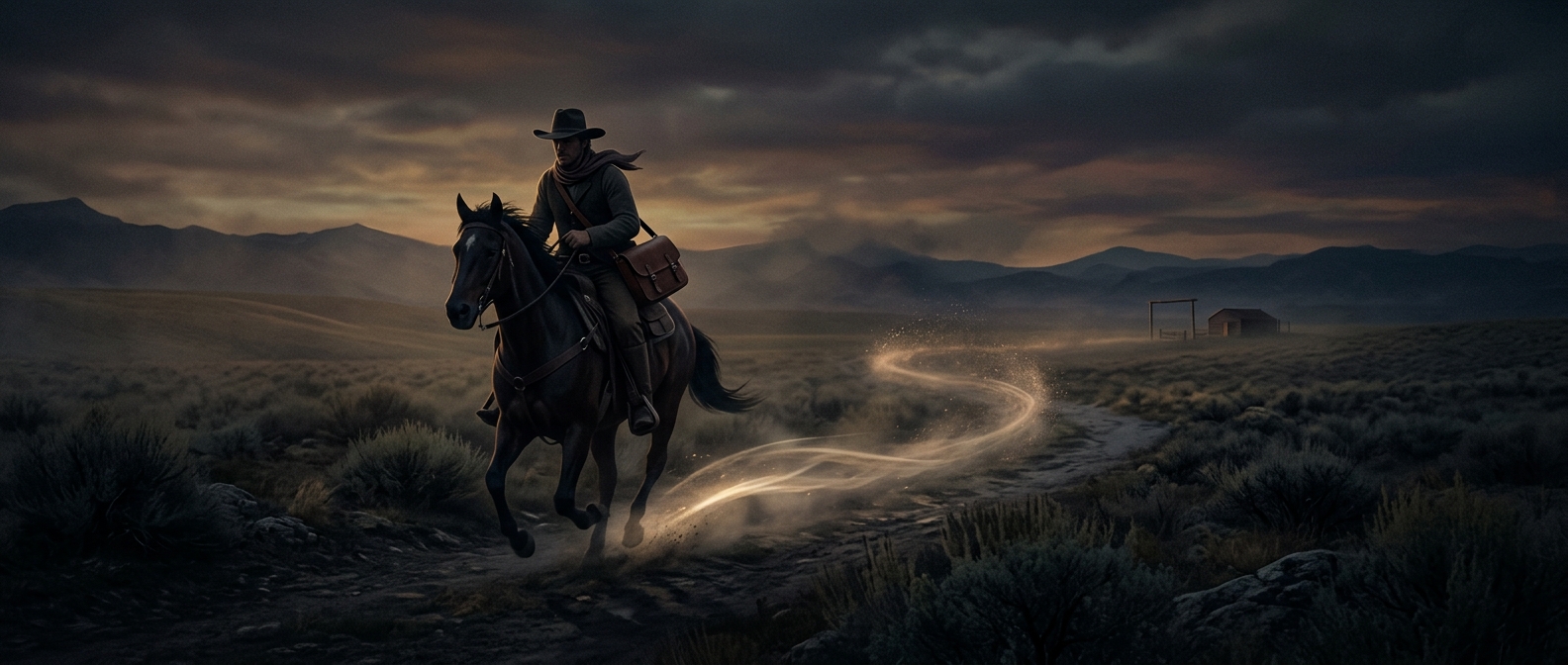
The Pony Express lasted only 18 months
The Pony Express lost money throughout its 18-month run. It could speed mail across the frontier, but the transcontinental telegraph soon sent messages…
Discover more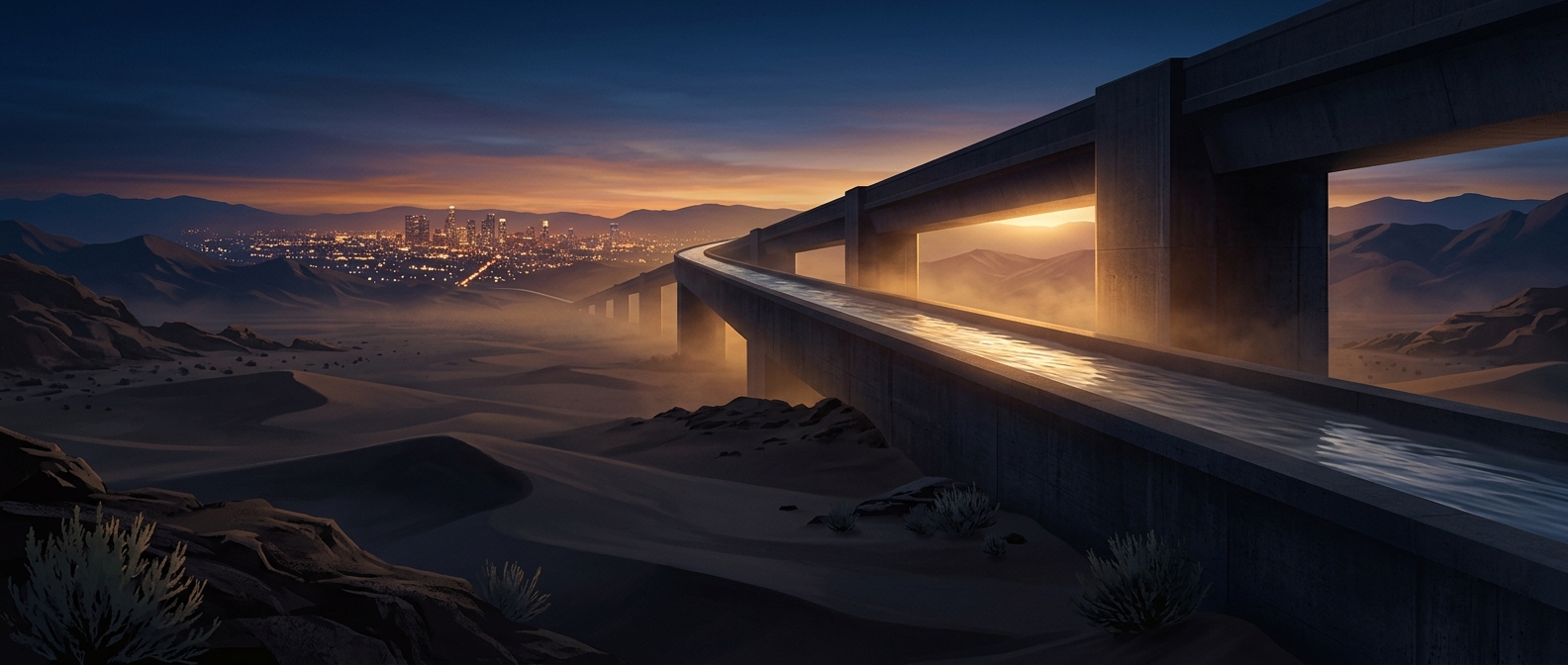
Los Angeles built a massive pipe for desert water
A growing Los Angeles needed water, so engineers built an aqueduct roughly 200 miles from Owens Valley. The city got a supply; the valley was drained to…
Discover more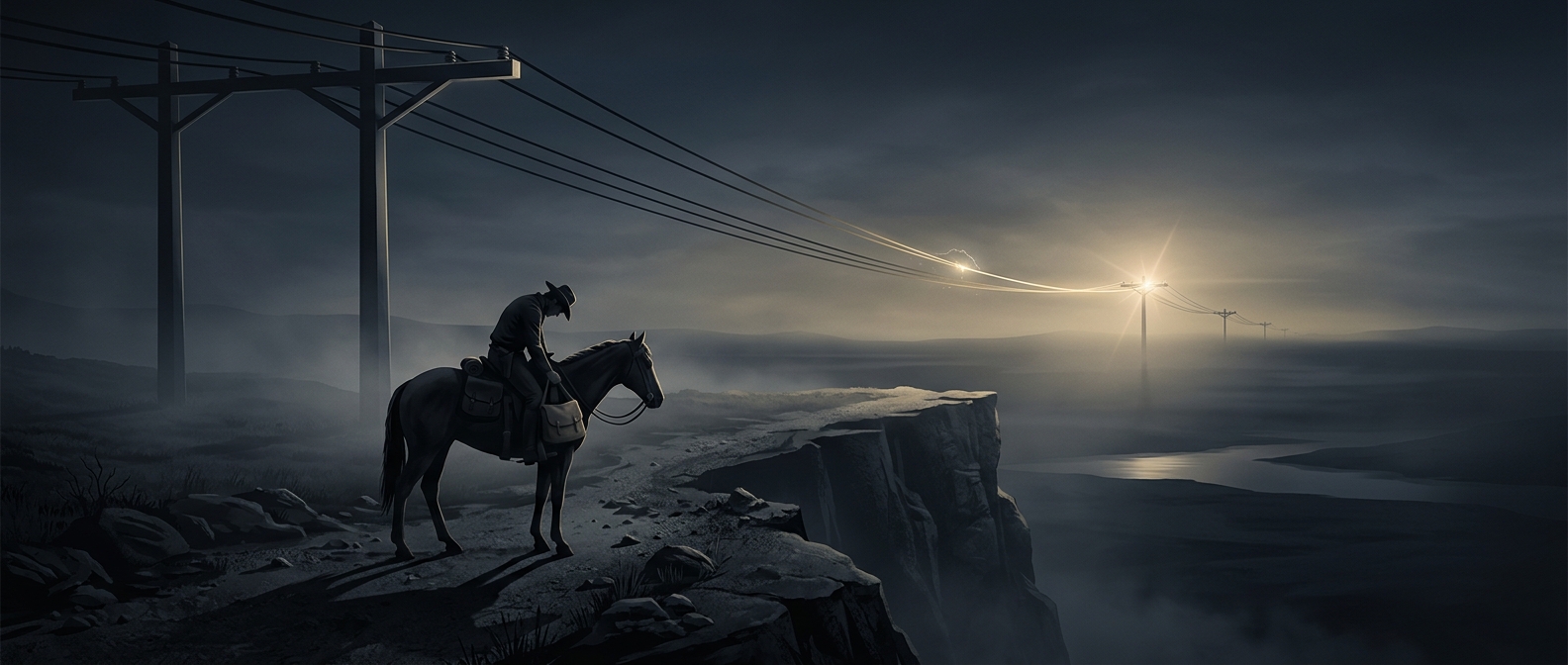
Telegraph completion instantly killed Pony Express
The Pony Express relied on riders carrying messages across the continent; the telegraph sent them electrically instead. After just 18 months, the service shut…
Discover more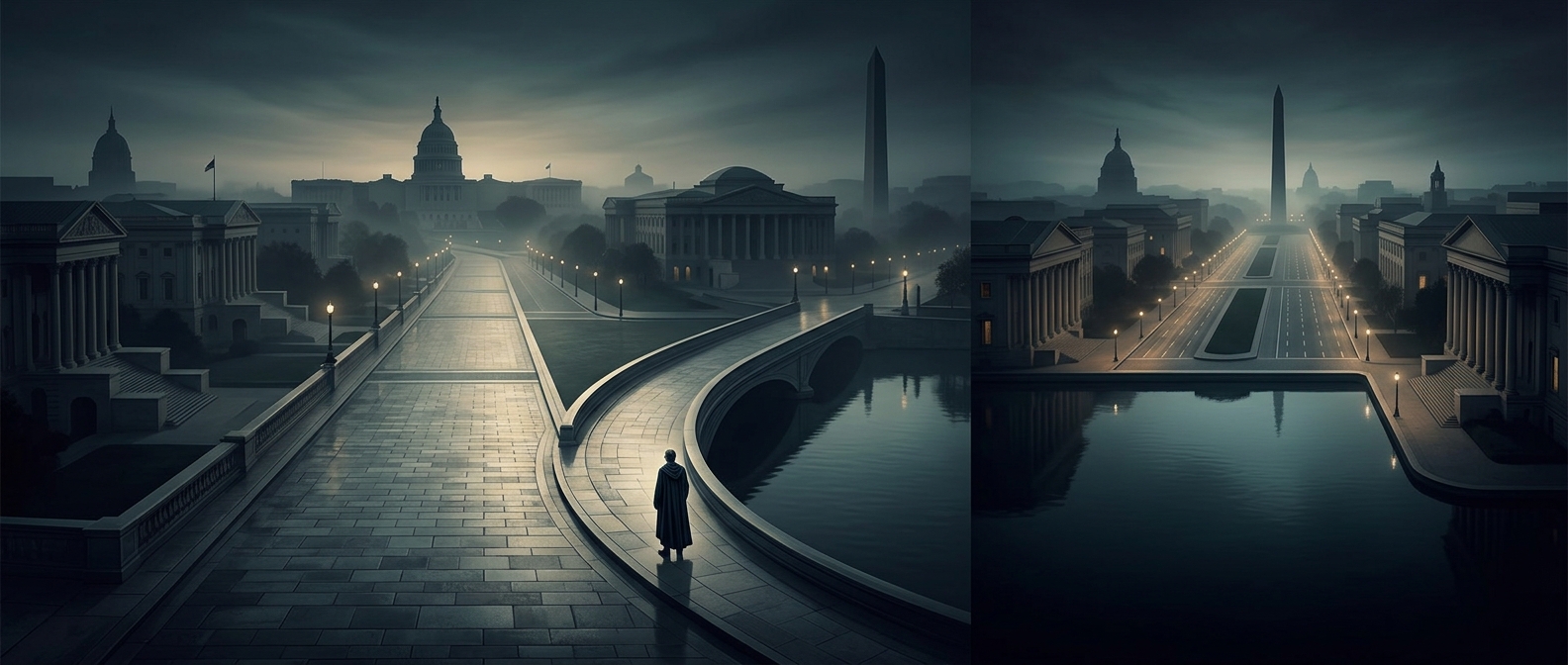
Why Washington, DC skips the letter J
Planners left J out because, in the handwriting of the time, it looked too much like I. That’s why the city’s lettered streets skip it.
Discover more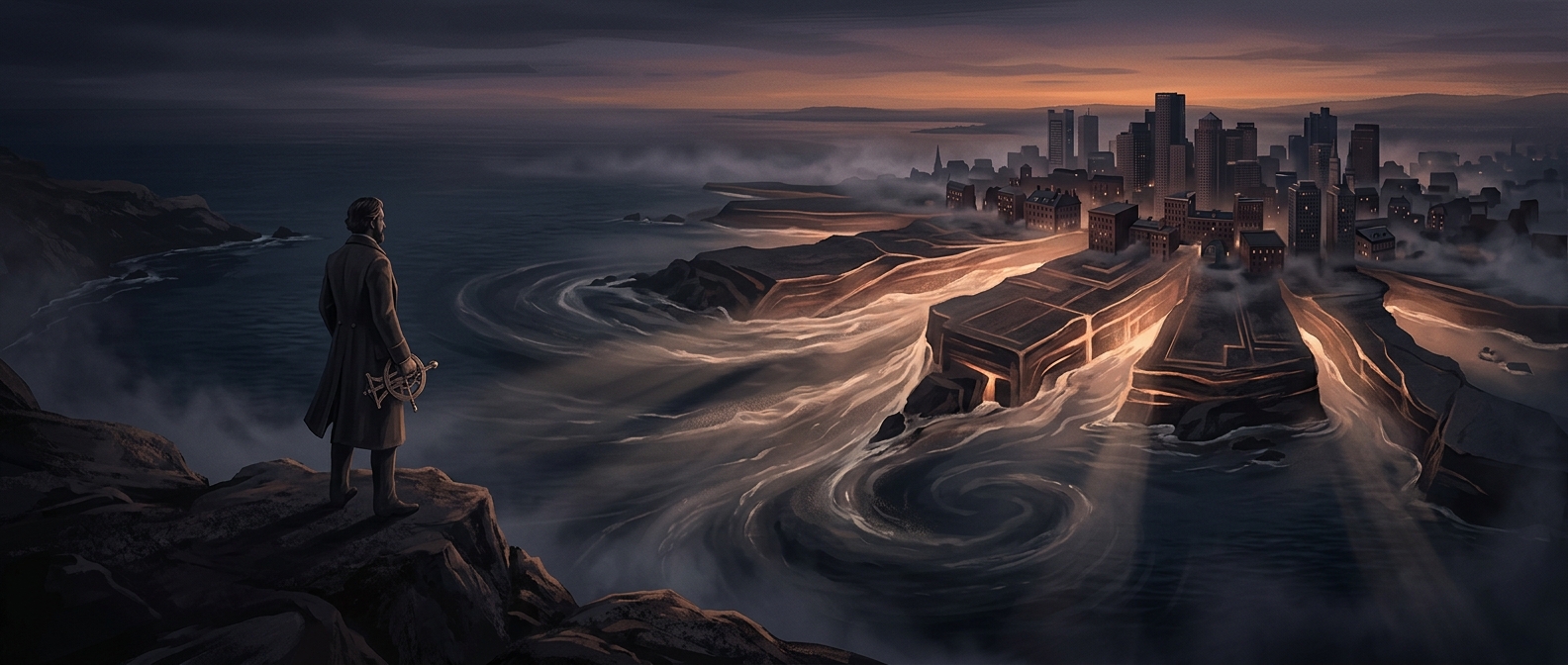
How Boston built a neighborhood out of a bay
Boston filled a tidal estuary with millions of tons of dirt and gravel over decades, turning water into buildable land. The neighborhood of Back Bay was,…
Discover more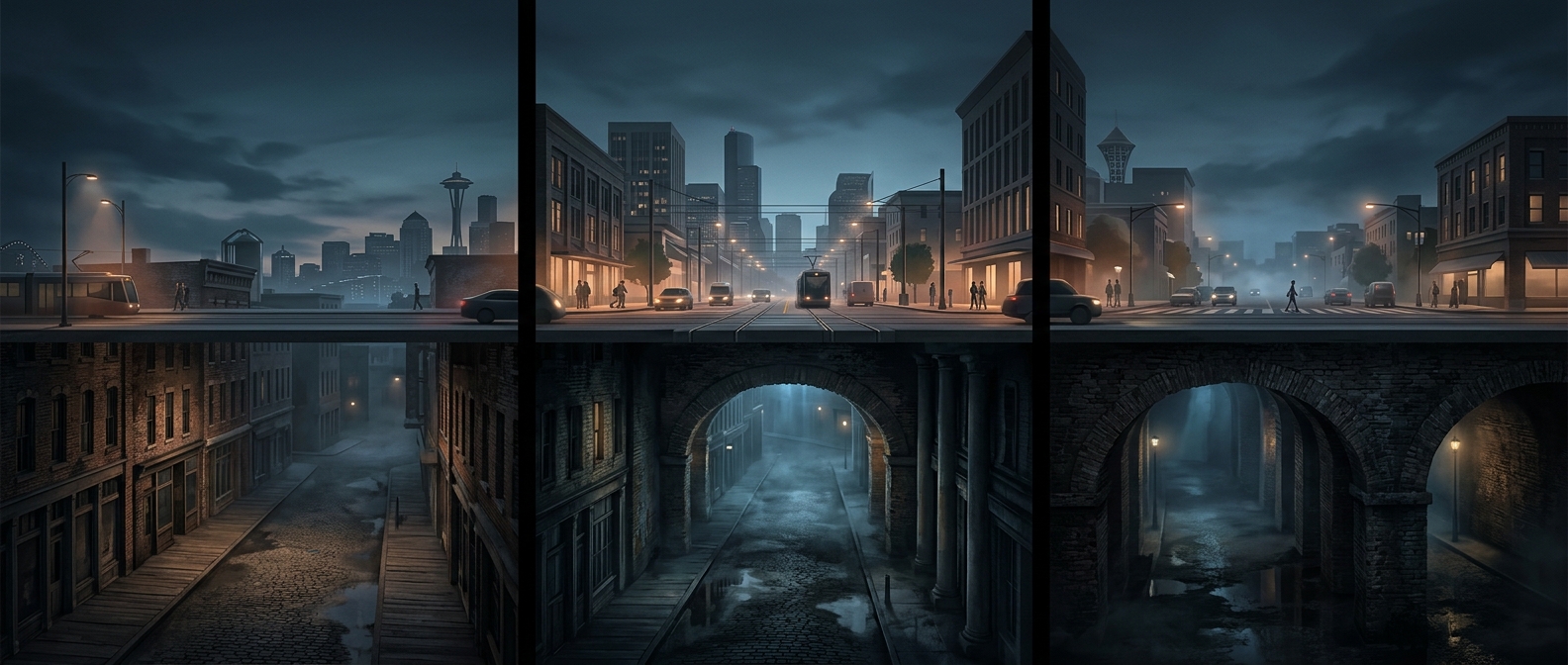
Seattle built new streets over the old ones
Flooding and sewage backups pushed Seattle to raise its streets by a full story, building retaining walls around the new level. The old storefronts stayed…
Discover more STACKY FOR IPHONE
A bigger world.
One discovery
at a time.
Keep discovering with Stacky. Interesting facts in an app that is always within reach.
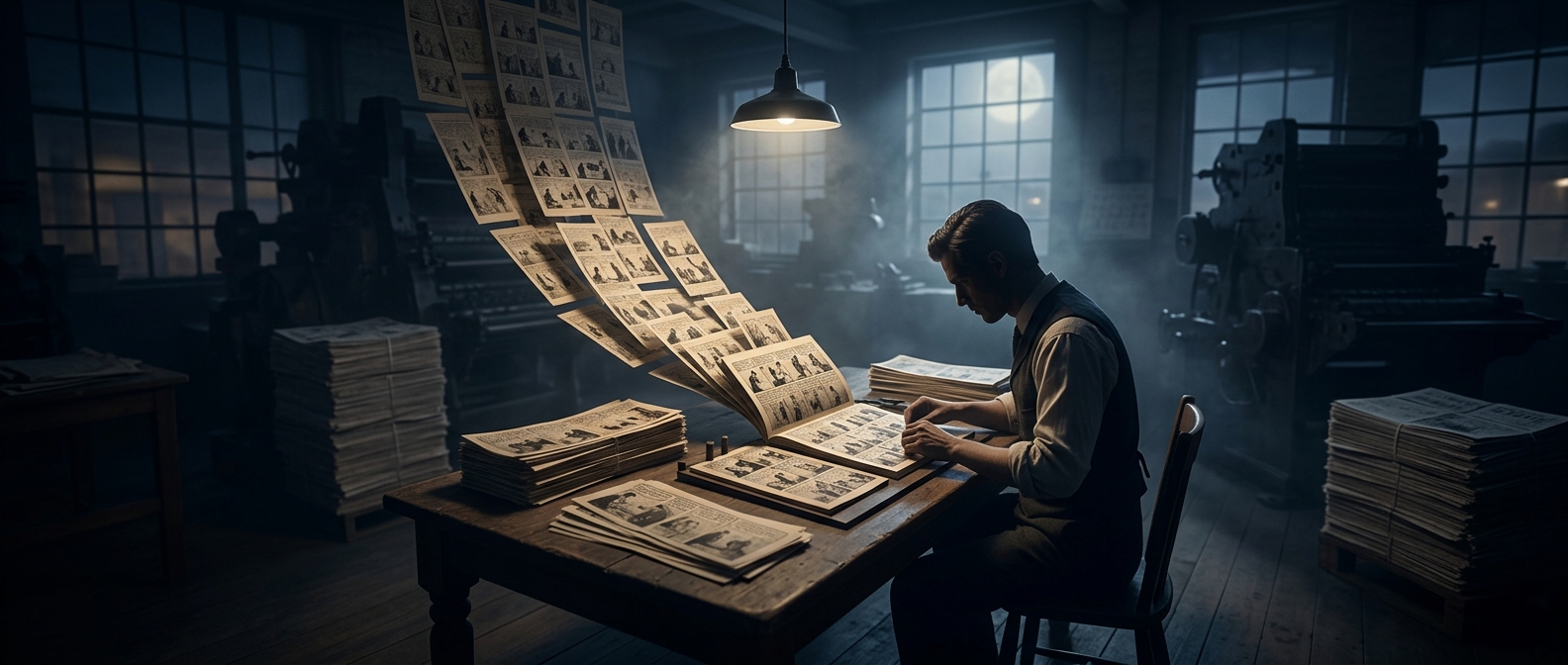
First comic book simply reprinted old news strips
Early comic books reprinted newspaper comic strips rather than featuring new superheroes. The strips were folded into booklets and sold to readers.
Discover more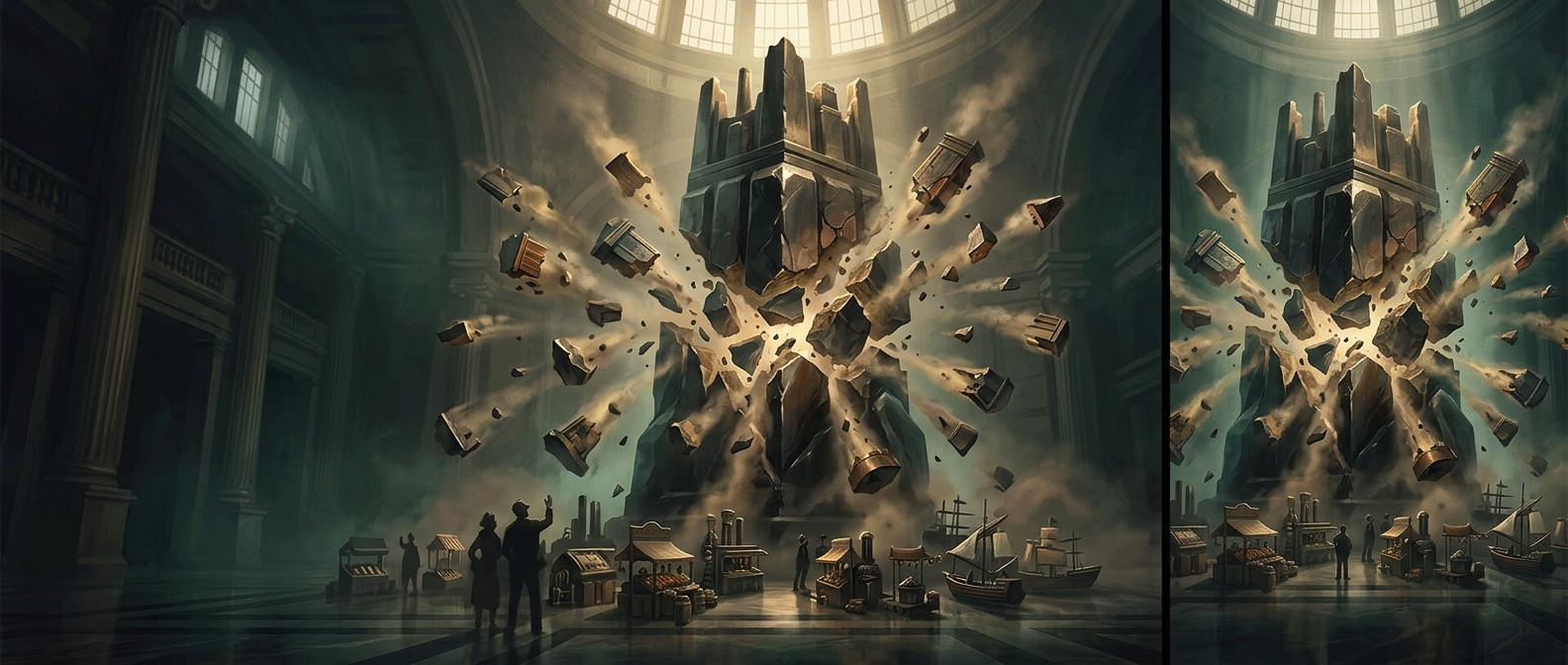
Standard Oil was broken into thirty four pieces
The court-ordered breakup created 34 companies, but many later merged with one another. Standard Oil never returned as a single company, though several of its…
Discover more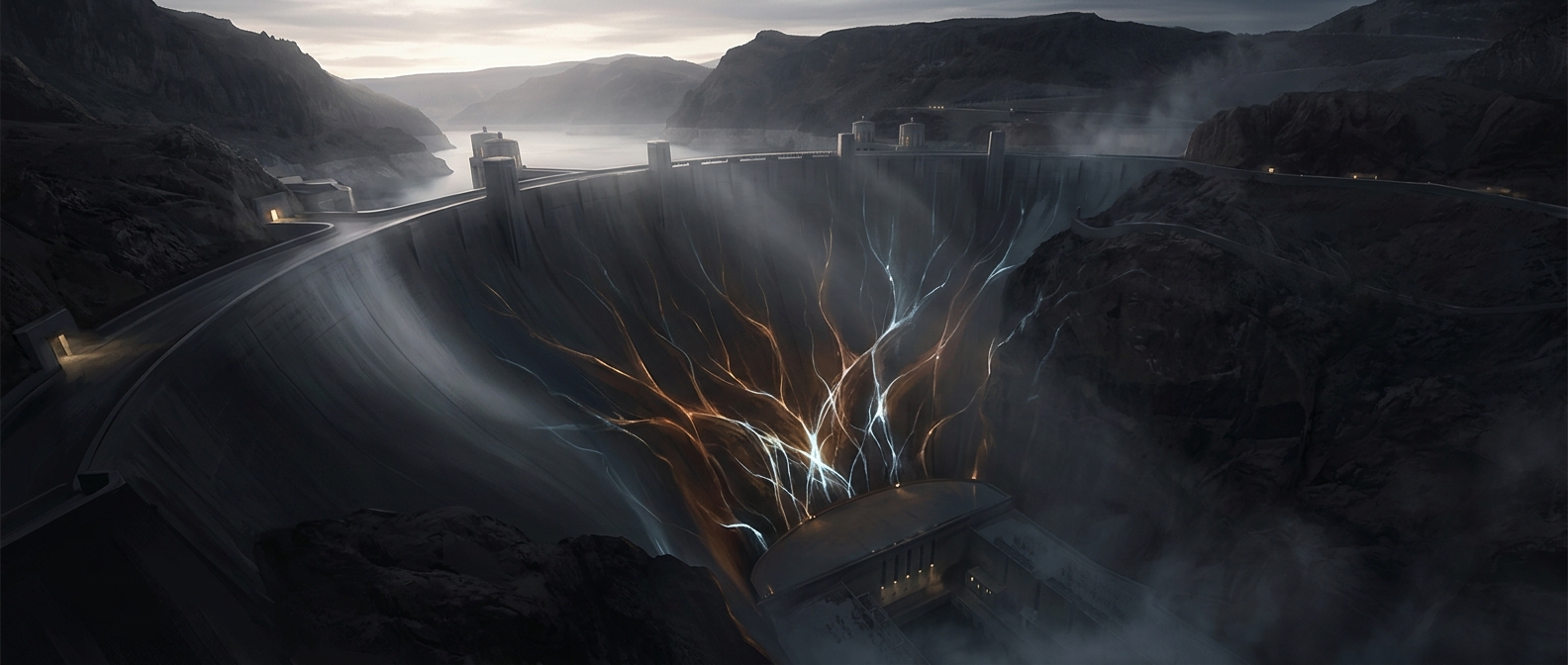
Hoover Dam needed a cooling system inside the concrete
Concrete releases heat as it hardens. Engineers estimated that a single giant pour could take 125 years to cool, so they built the dam in sections and…
Discover more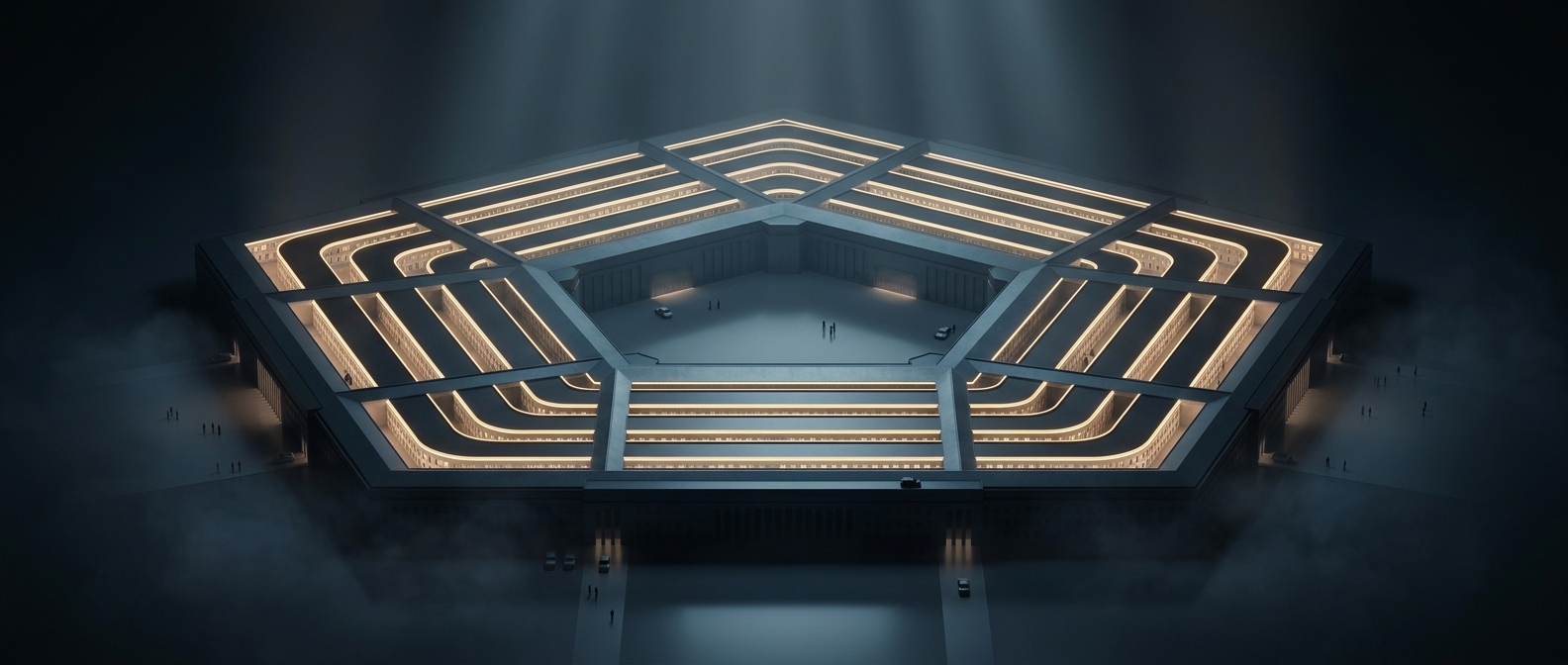
Pentagon is designed as five concentric office rings
Intersecting corridors link the rings, so people can cut across the building instead of circling around it. Any point is reachable within a seven-minute…
Discover more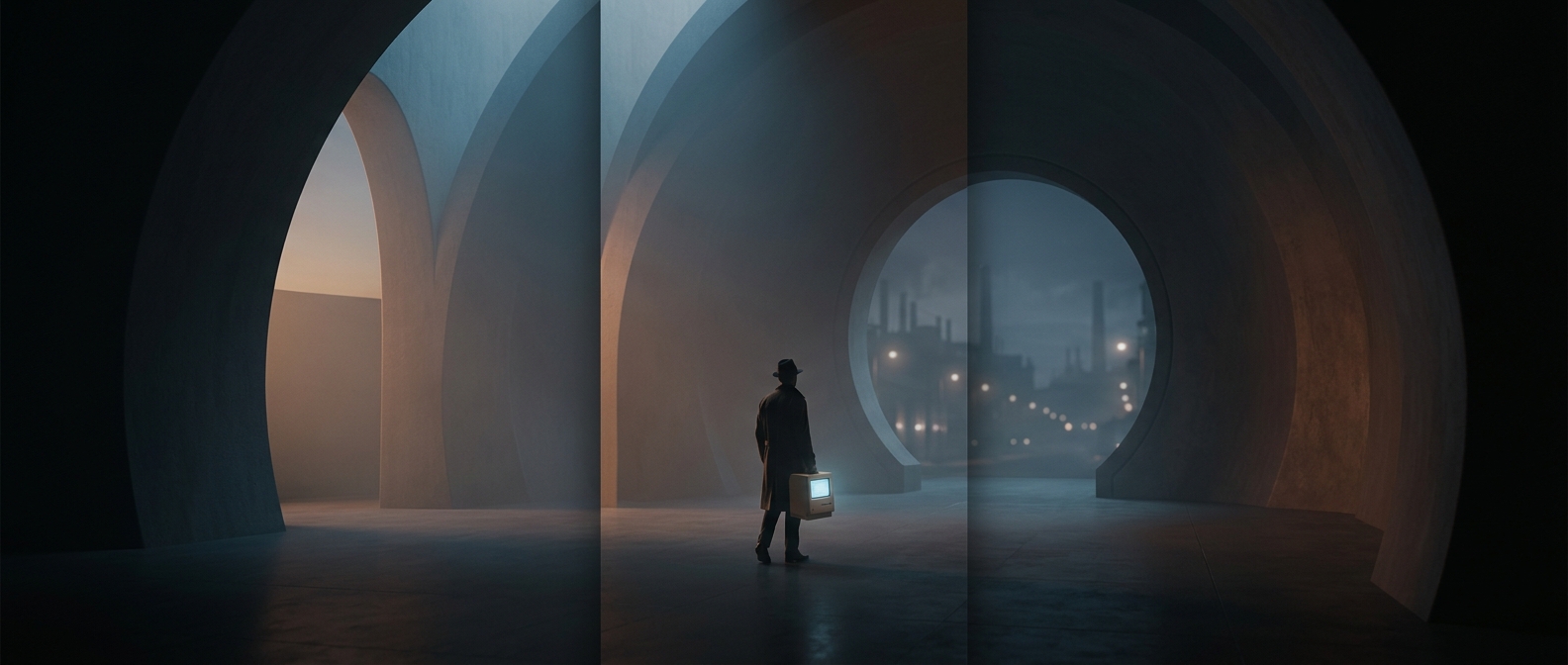
The first Macintosh had a handle
The handle was a pitch for portability: at about 16 pounds and dependent on a power outlet, the first Macintosh was portable mostly by comparison with…
Discover more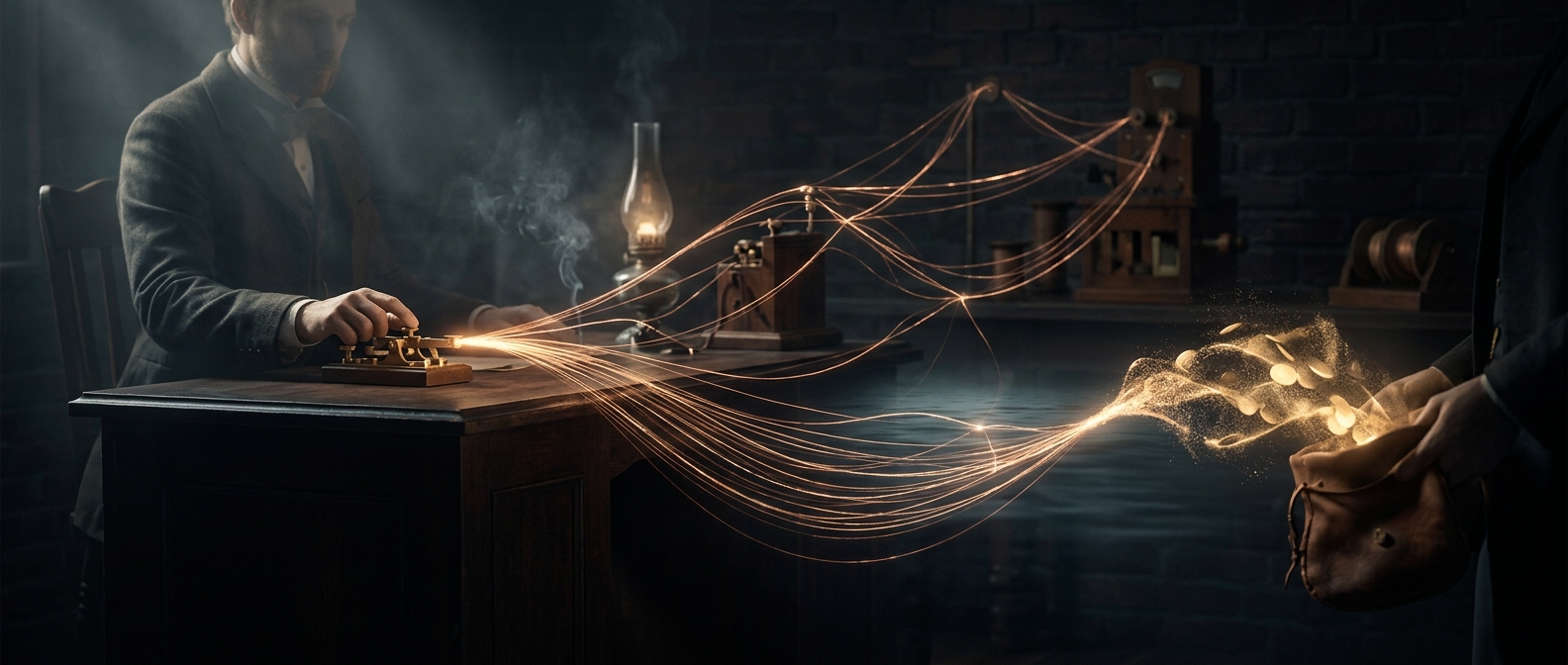
Western Union pioneered electronic cash transfers
Western Union used telegraph wires to send money-transfer instructions in Morse code. The money itself didn’t travel by wire; the message told another office…
Discover more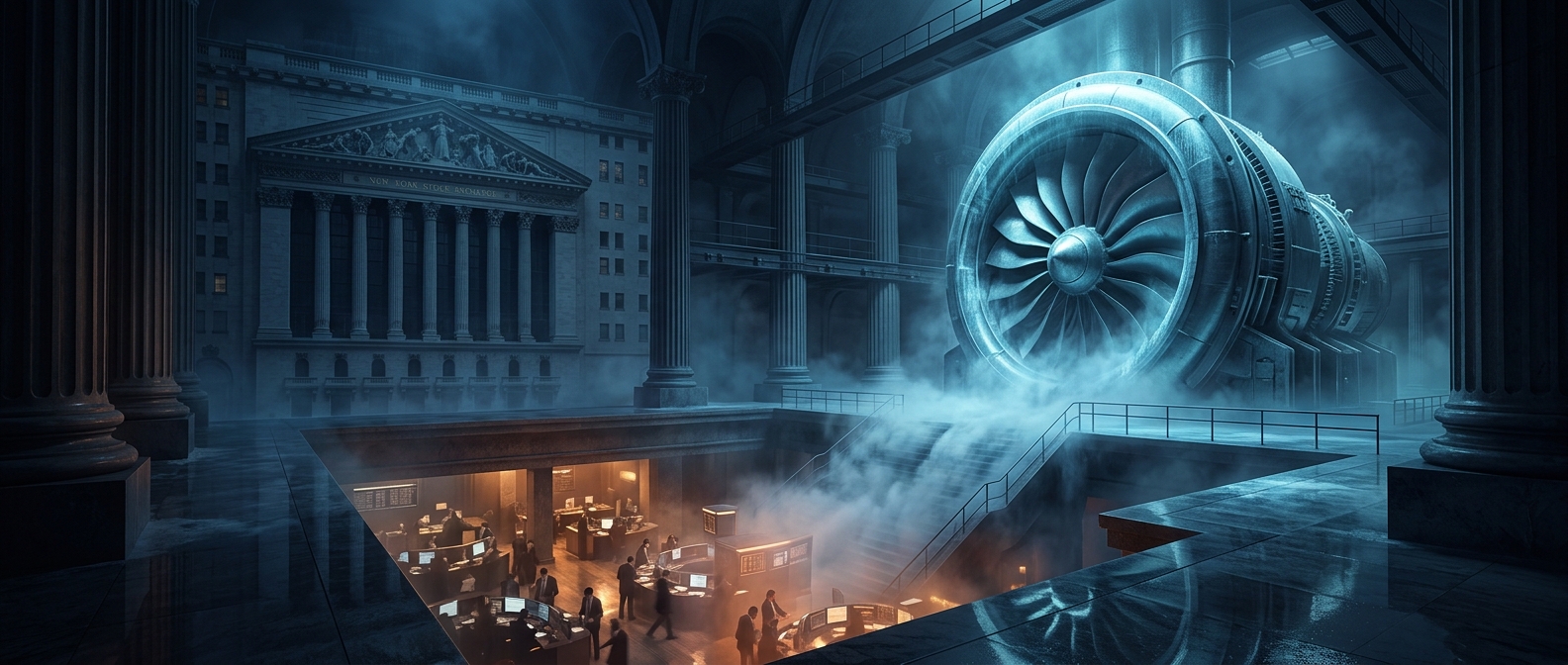
New York Stock Exchange used massive air cooling
Before home air conditioning was common, the NYSE cooled its trading floor so brokers in heavy suits could work through the heat. Wall Street solved the…
Discover more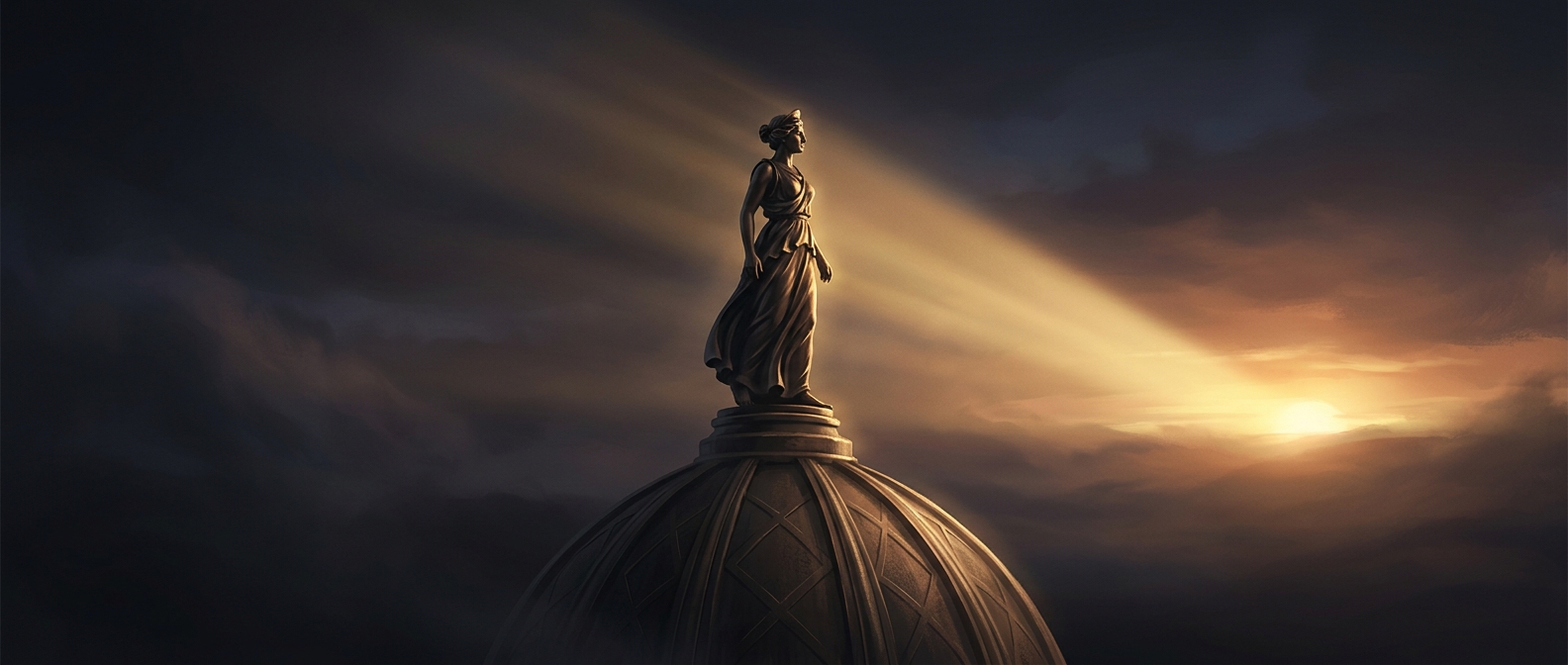
Capitol dome bronze figure faces the rising sun
The statue faces east toward the Capitol’s entrance, so people approaching from the National Mall see her back. The building’s front door gets the face; the…
Discover more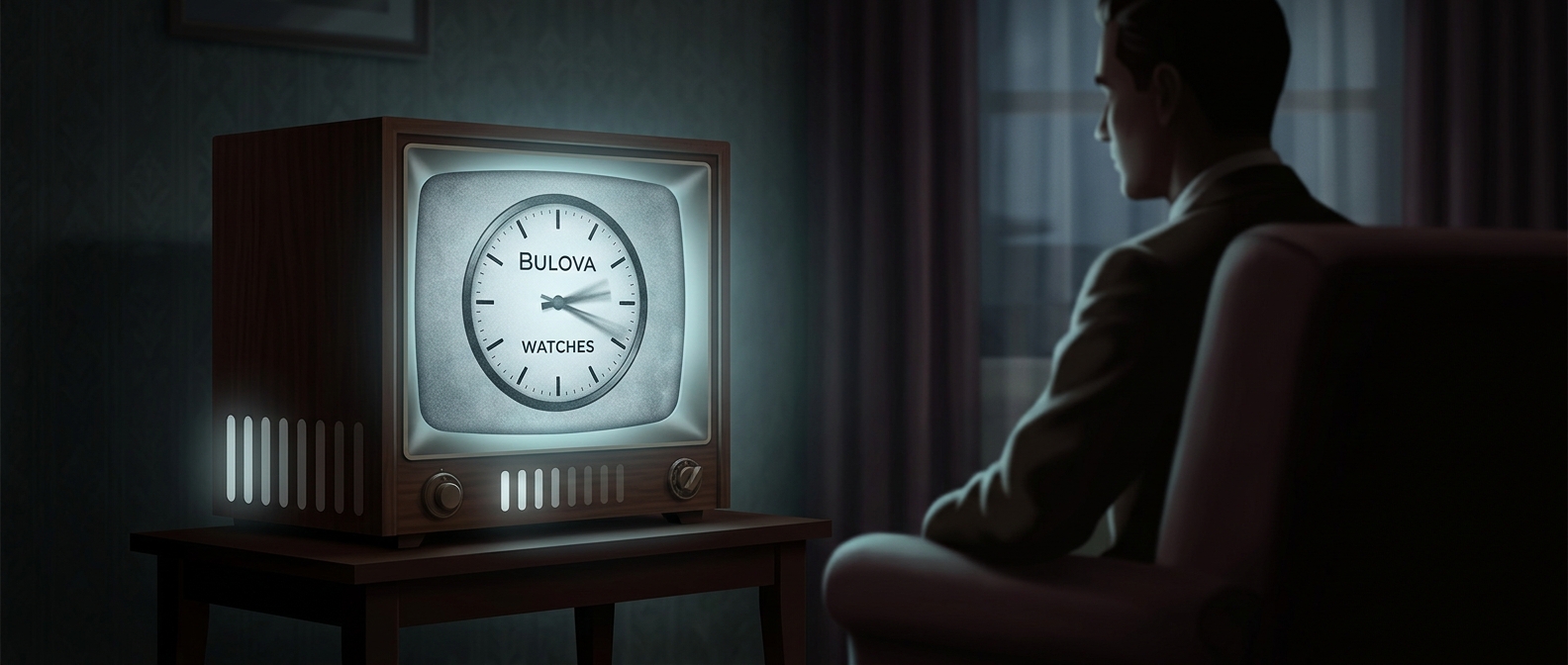
The first TV ad was a ten-second still image
A sponsor paid nine dollars to show a still image of a clock over a map for ten seconds during a baseball broadcast.
Discover more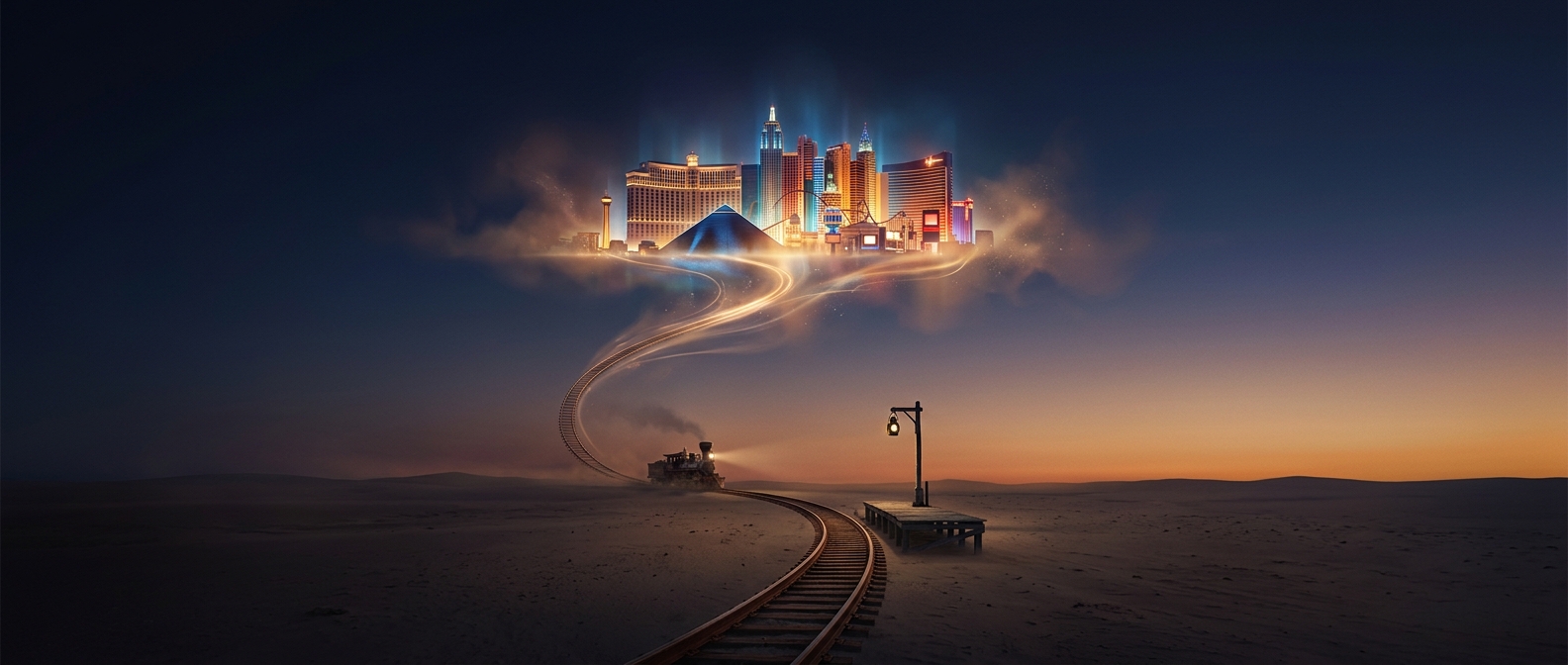
Las Vegas began as a desert railroad stop
Steam locomotives needed a place to refuel, and Las Vegas began as a stop between bigger cities. Local leaders later looked beyond the rails and saw tourists…
Discover more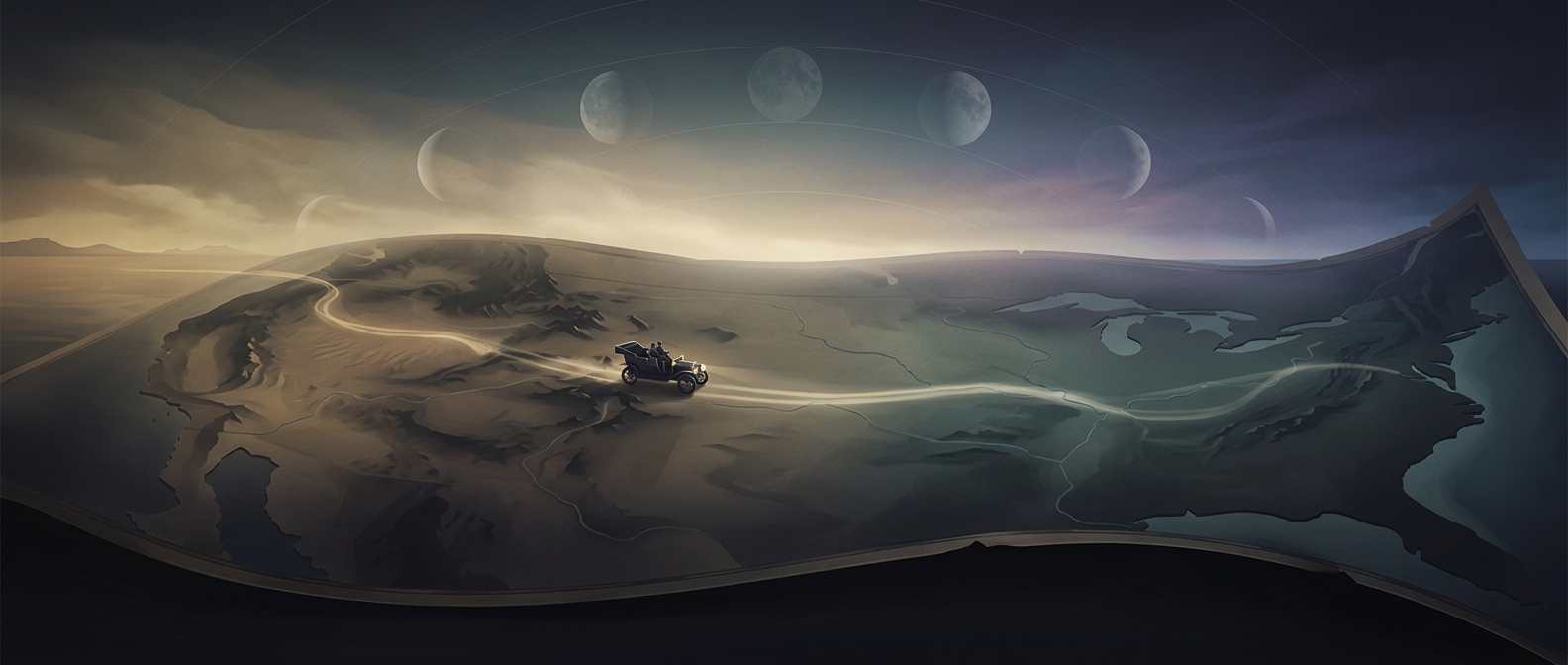
First cross country auto trip took two full months
In 1903, Dr. Horatio Nelson Jackson drove from San Francisco to New York in 63 days, often needing help to haul his car out of mud. Paved roads were scarce,…
Discover more
First commercial telegraph connected two major cities
A 40-mile wire carried a short biblical message from Washington to Baltimore almost instantly, replacing the wait for a courier. Long-distance communication…
Discover more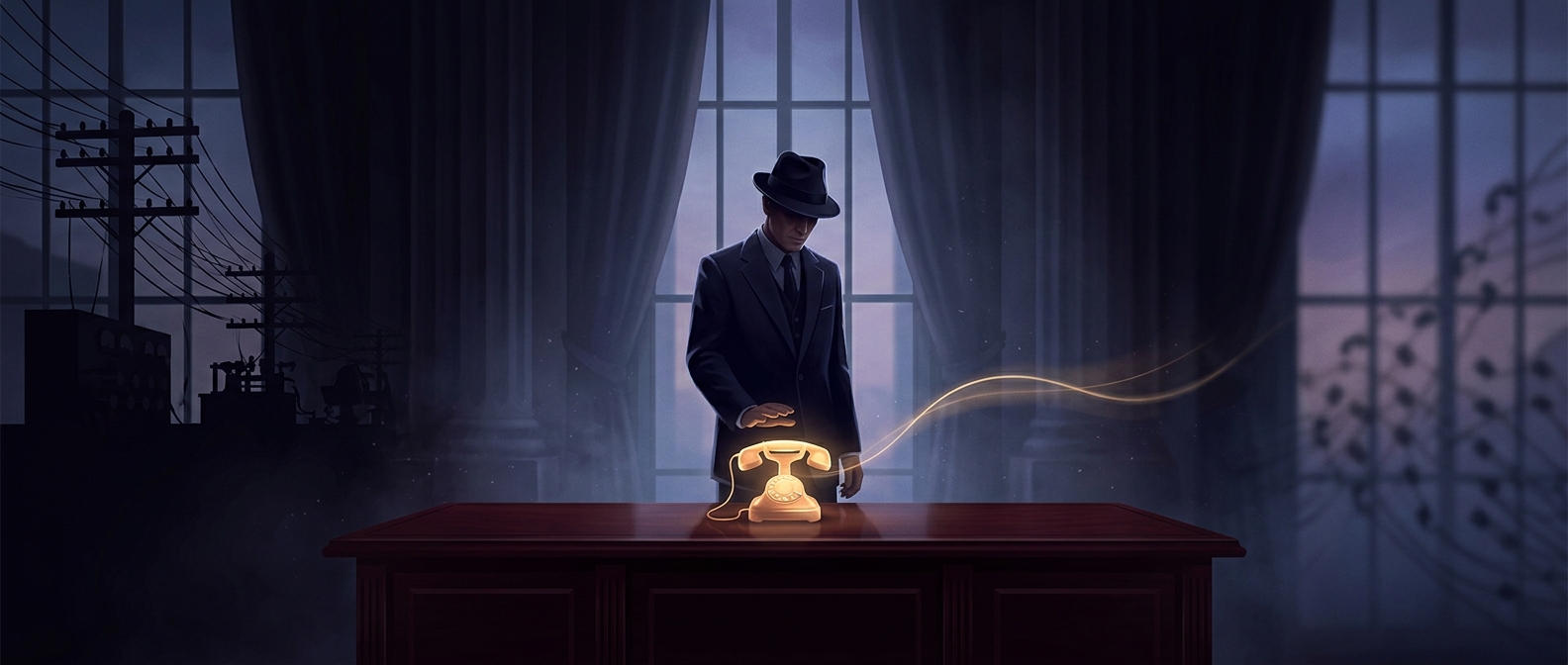
The telephone deal Western Union turned down
Western Union turned down the telephone patent for $100,000, dismissing it as an “electrical toy.” Bell built a telephone business anyway, and the telegraph…
Discover more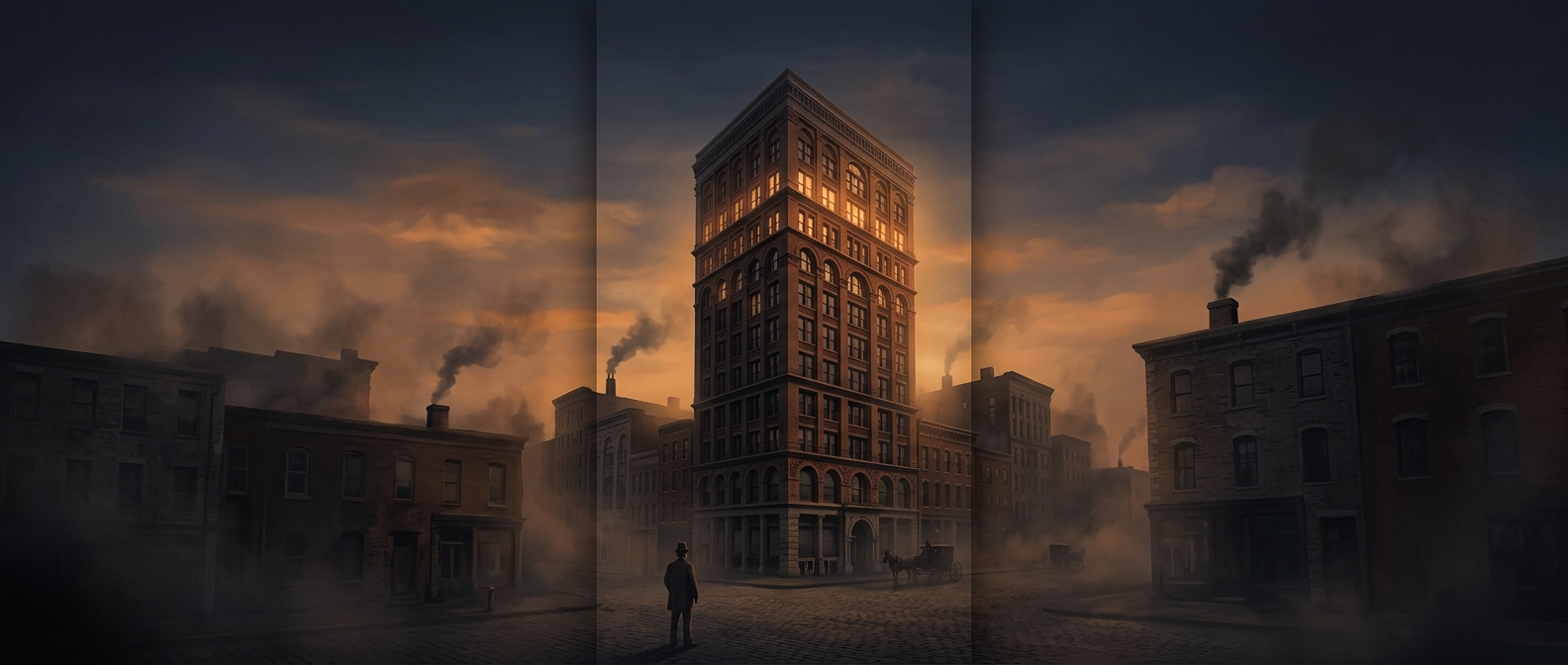
The first skyscraper was only ten stories tall
A metal frame carried the building’s weight, so its walls didn’t have to be thick masonry from top to bottom. Chicago’s 10-story Home Insurance Building…
Discover more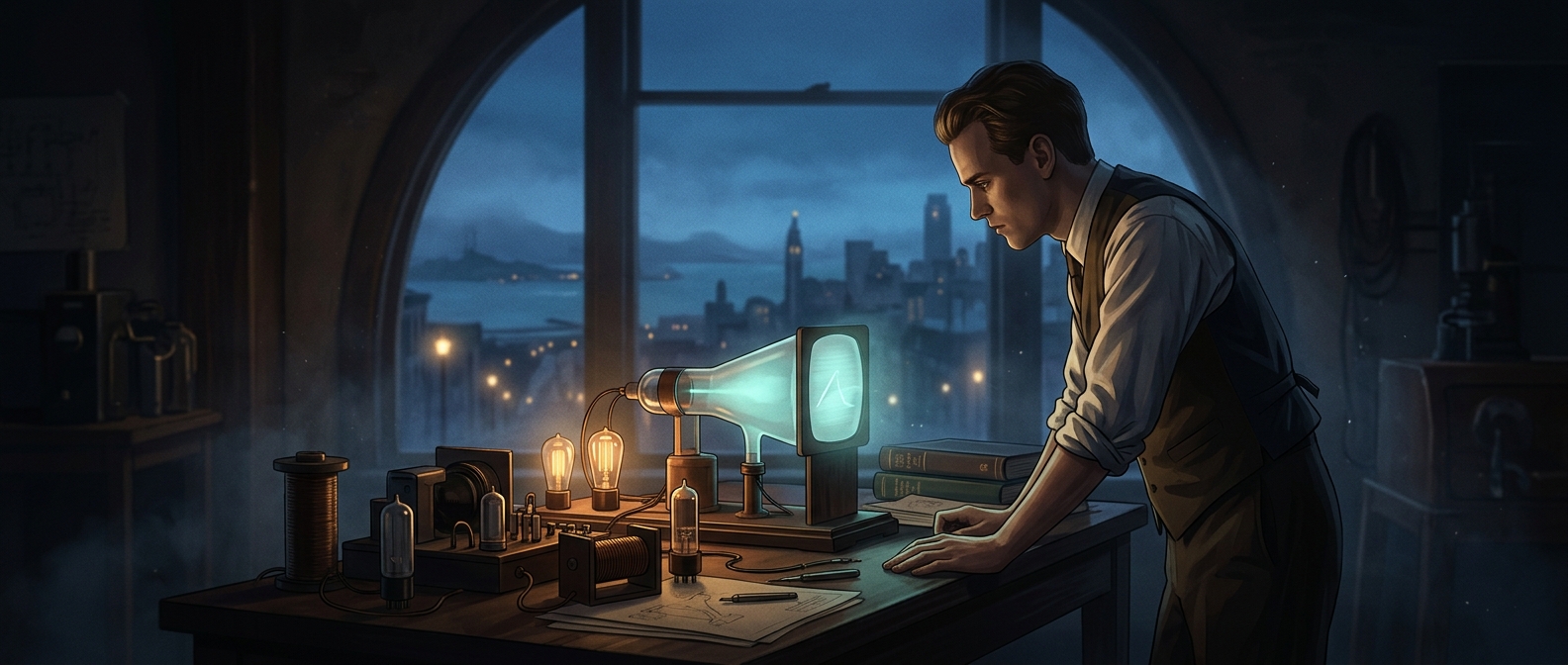
First electronic television debuted in California
An early California demonstration sent a straight line using electron beams. Television began with a picture so simple it barely had anywhere to go.
Discover more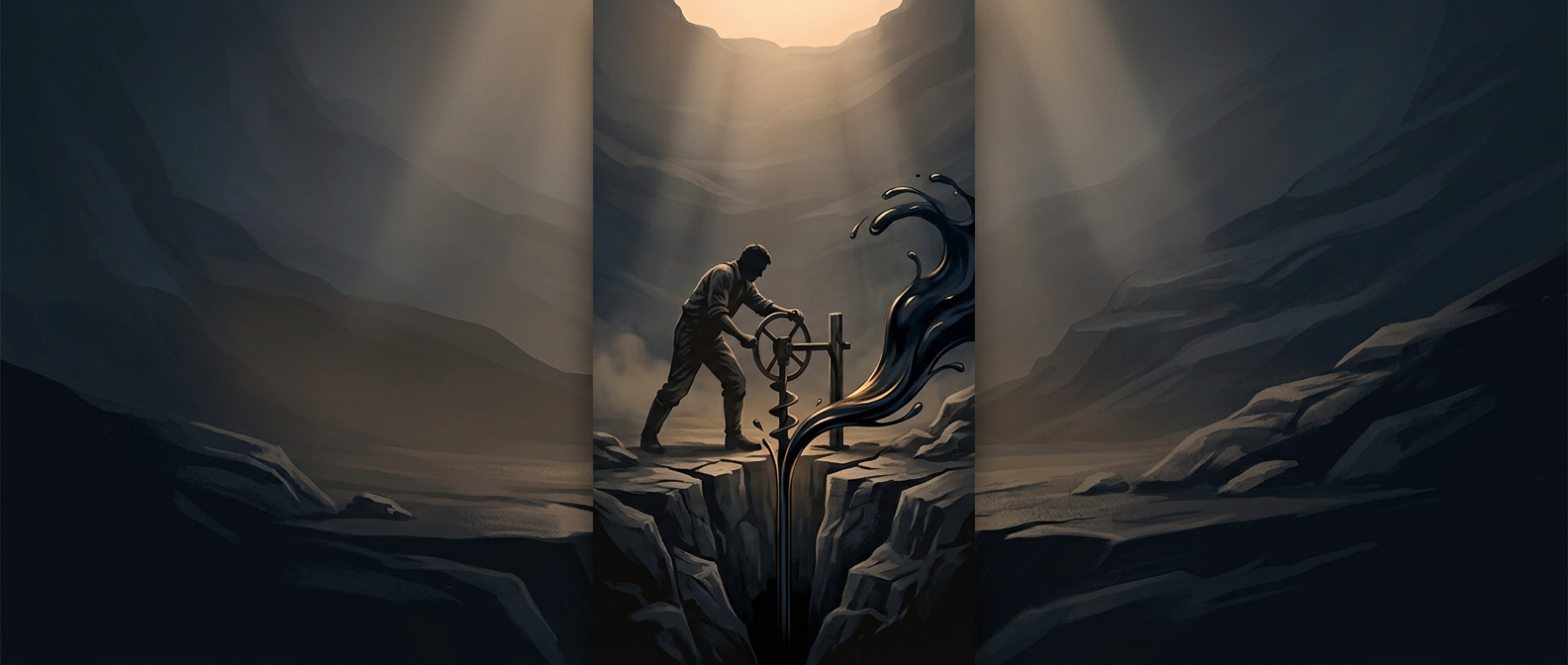
First commercial oil well was drilled manually
A steam engine drove an iron bit that hammered into the ground until it hit oil just 69 feet down. The first commercial well didn’t need a modern rig—just a…
Discover more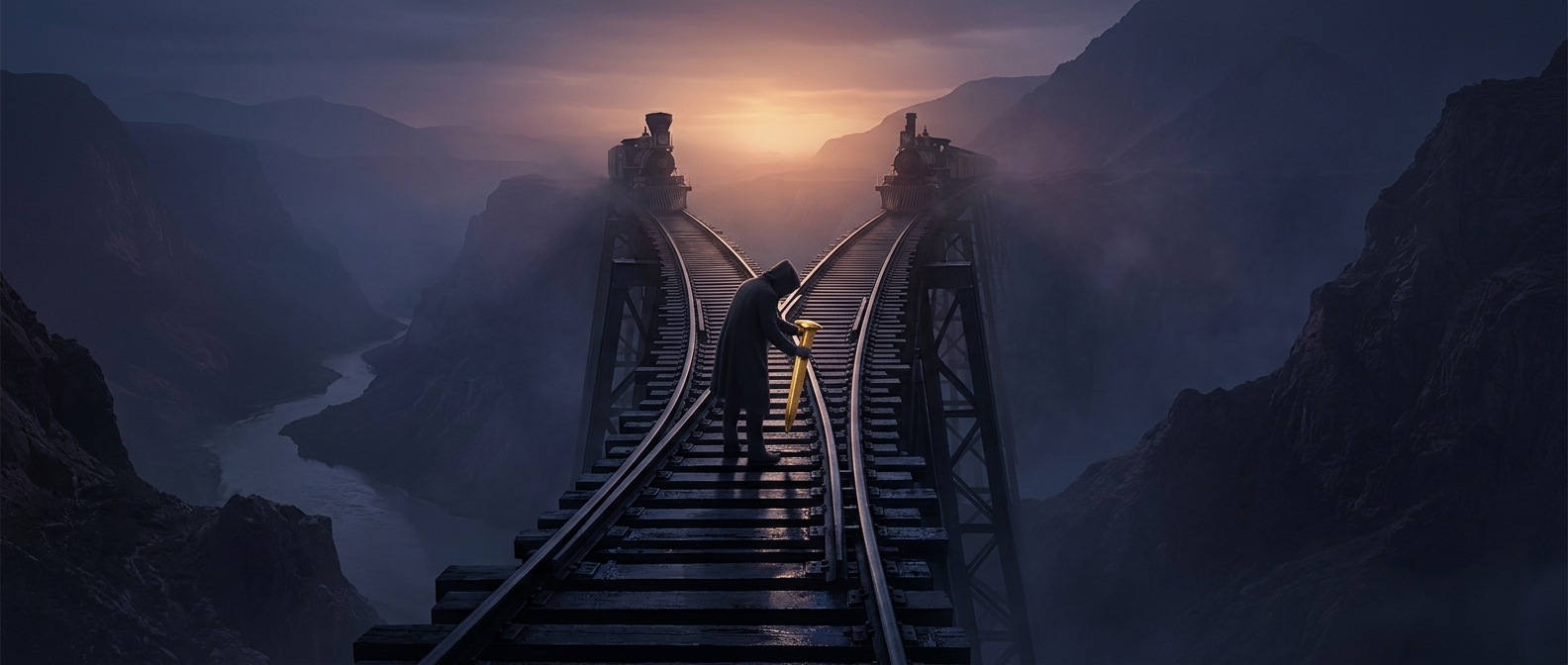
Transcontinental railroad golden spike was removed
After the 1869 ceremony, workers replaced the golden spike with an iron one; leaving solid gold on unguarded tracks would have invited theft.
Discover more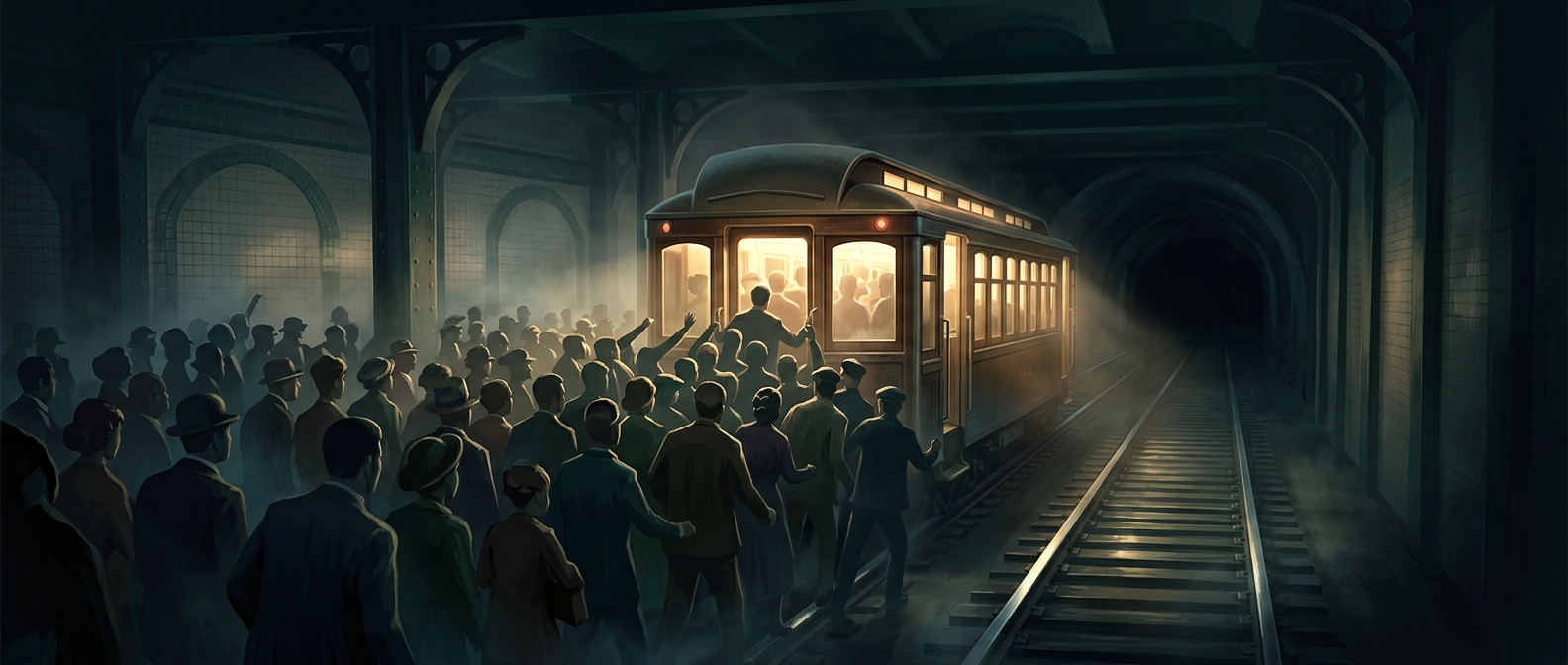
New York subway saw massive crowds on its first day
More than 100,000 people rode on opening day, drawn by the novelty of traveling underground. New York’s first subway rush was partly a sightseeing trip.
Discover more