History
Discover facts about history. Small discoveries that change the way you see familiar things.
History
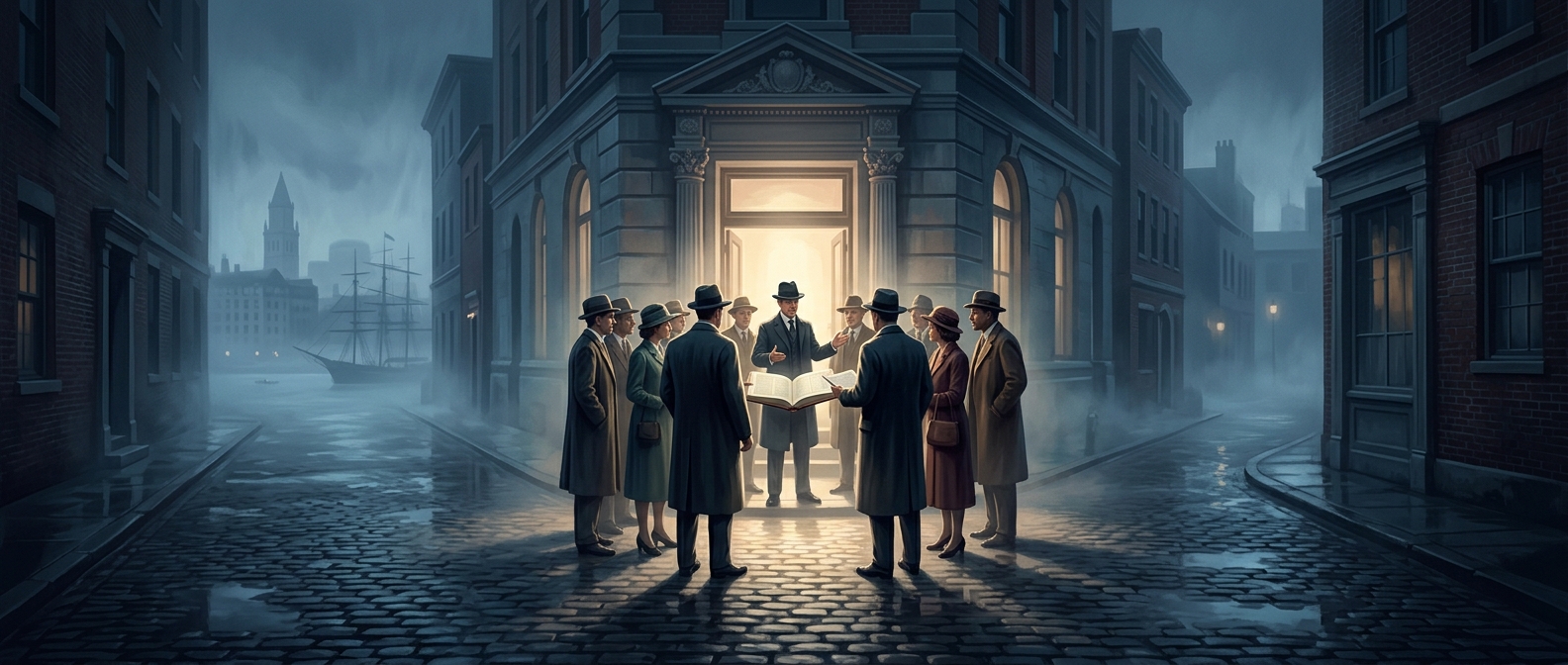
First mutual fund launched in Boston during 1924
Instead of having to buy a whole spread of investments on their own, people could buy shares in a pool with other investors. The fund made a diversified…
Discover more
USB flash drives instantly killed portable disks
A keychain-sized flash drive made floppy and Zip disks cumbersome by comparison: it stored data in solid-state memory, with no disc to scratch or carry.
Discover more
First roadside motel charged a dollar per night
For a dollar a night, motorists got a bed and shower in a room right beside the road. The roadside motel made an overnight stop as easy as pulling off the…
Discover more
Ancient Maya turkey bones revealed an unexpected trade route
Researchers identified Mexican turkeys at El Mirador in Guatemala, far south of the species' natural range. The bones indicate that people moved and managed…
Discover more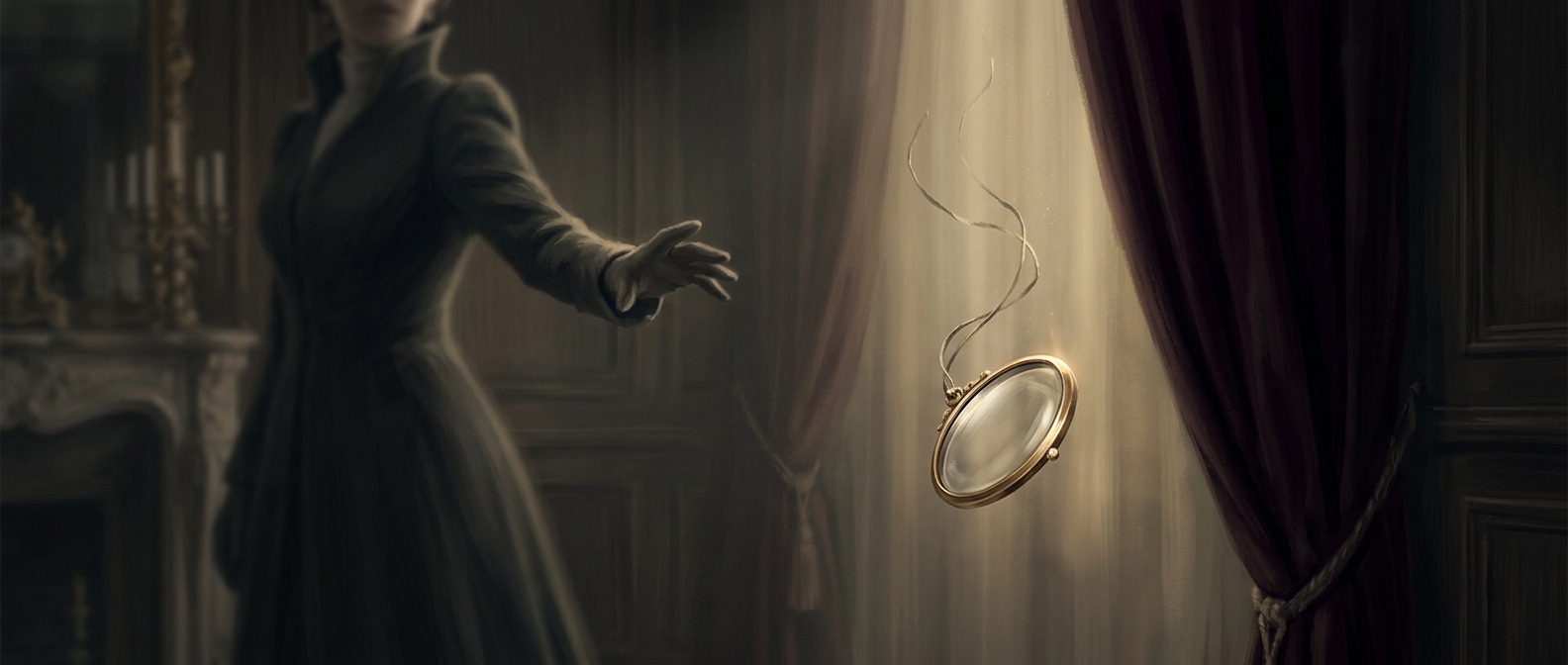
Why dropping a monocle signaled shock
The eyepiece was held in place by facial tension, not a strap. When a gentleman’s face relaxed in surprise, the monocle could drop.
Discover more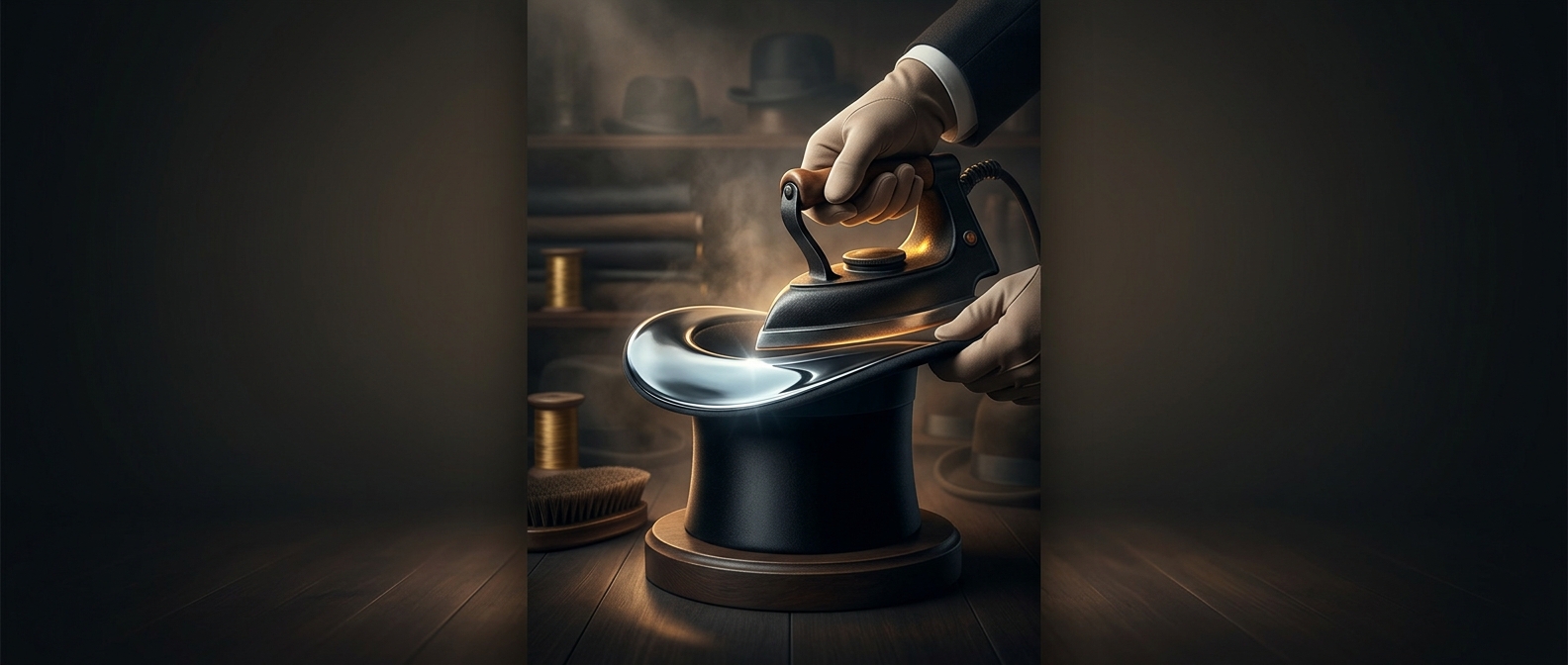
Why Victorian gentlemen ironed their hats
The mirrorlike shine on a Victorian top hat took daily work: special heated presses smoothed the hat each morning. Looking polished meant getting pressed,…
Discover more STACKY FOR IPHONE
A bigger world.
One discovery
at a time.
Keep discovering with Stacky. Interesting facts in an app that is always within reach.
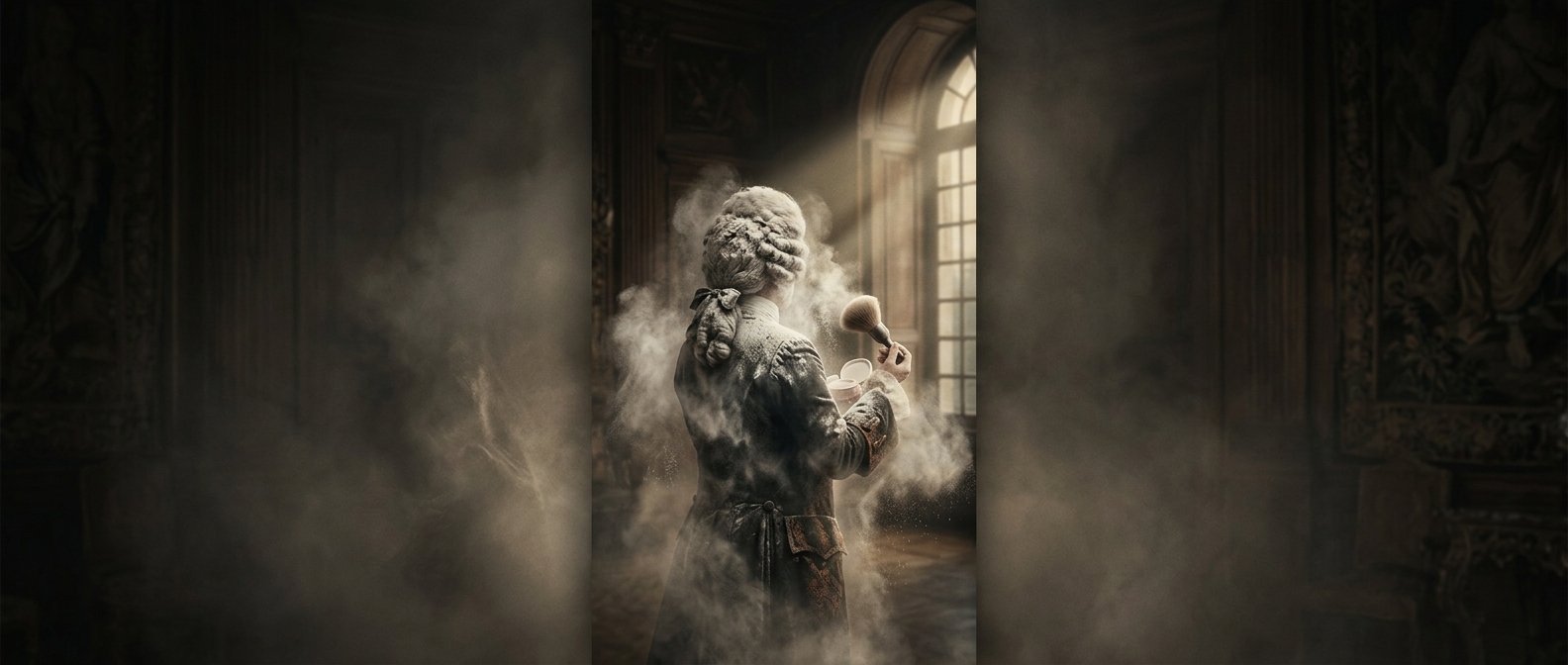
Powdering a wig could require a face shield
A cone protected the wearer's face while powder was applied to greased hair. The elaborate hairstyle had a messy backstage process: before someone could enter…
Discover more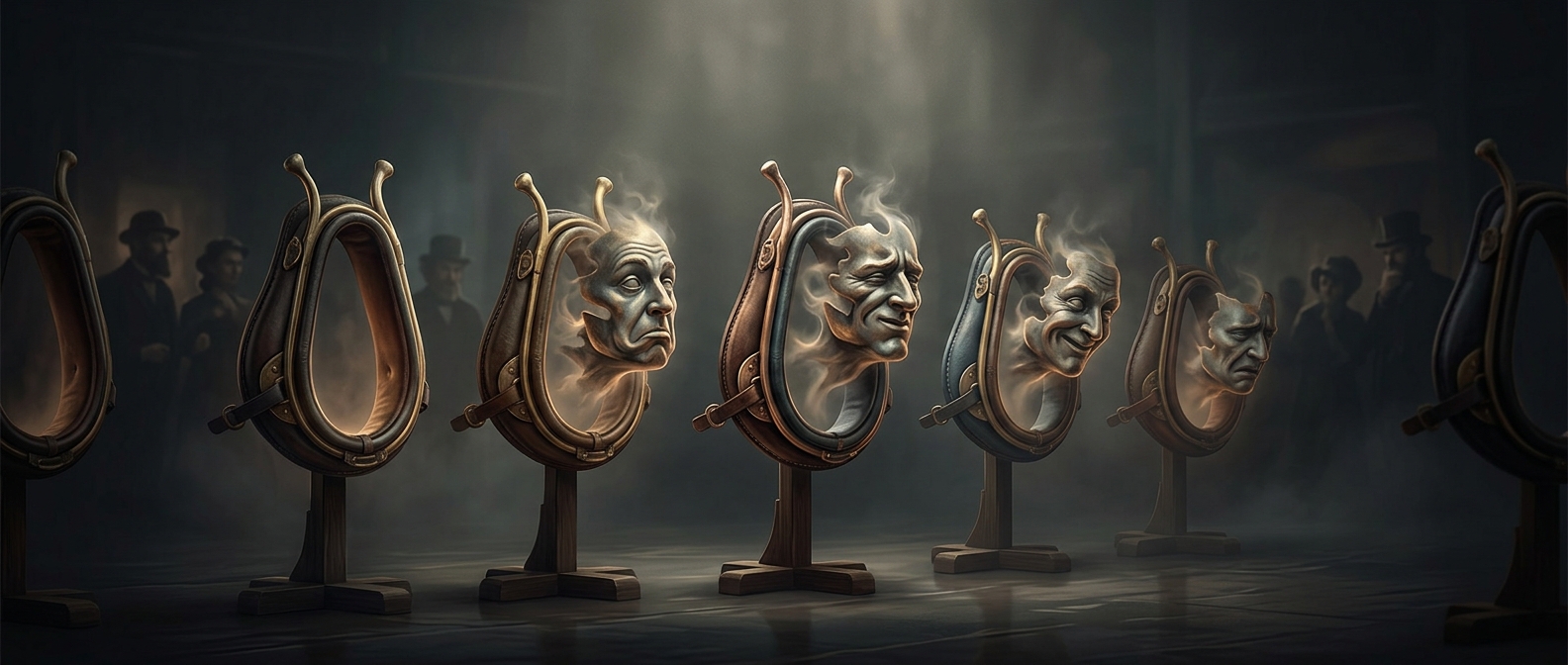
The contest where the ugliest face won
Contestants pushed their heads through a rigid collar and twisted their faces into grotesque expressions; the ugliest won. It was a beauty contest with the…
Discover more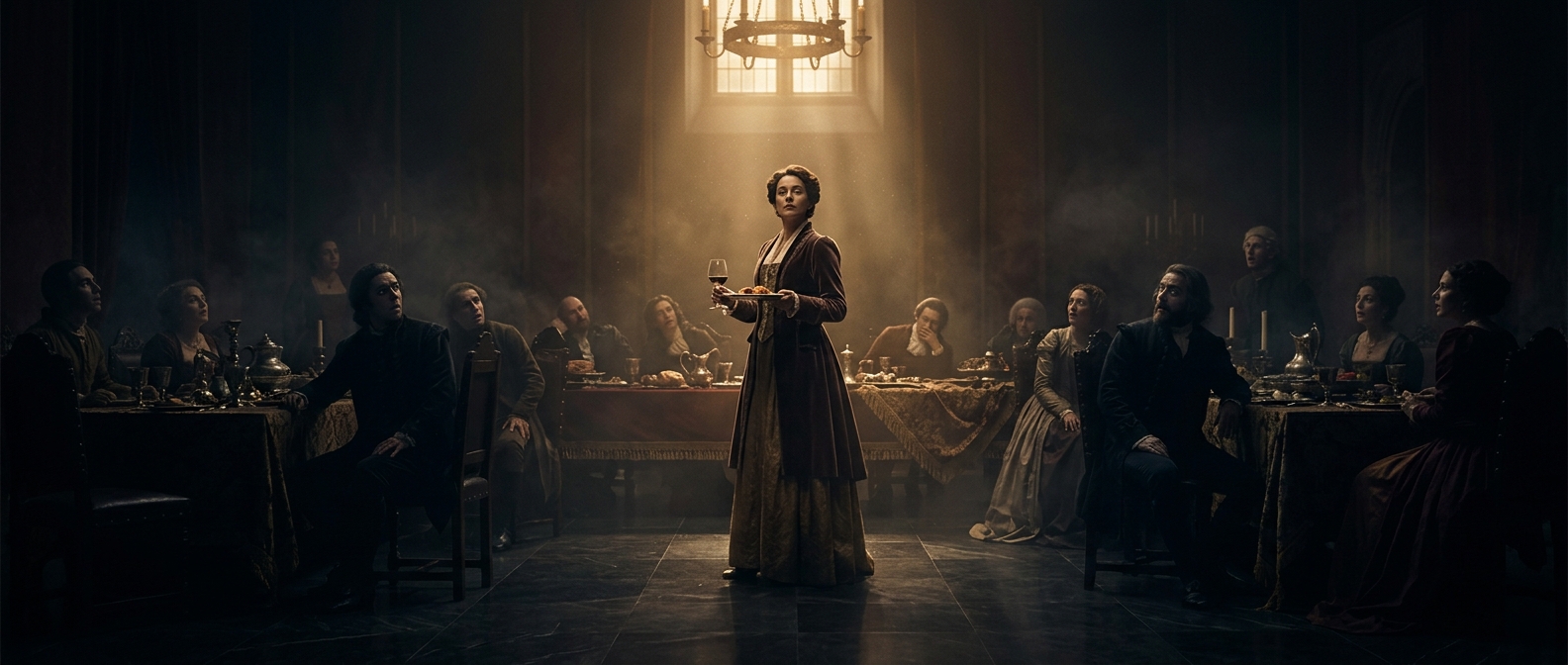
At a grand French dinner, even aristocrats helped themselves
In service à la française, the dishes for a course formed an elaborate arrangement on the table, and guests took food from those within reach. Servants then…
Discover more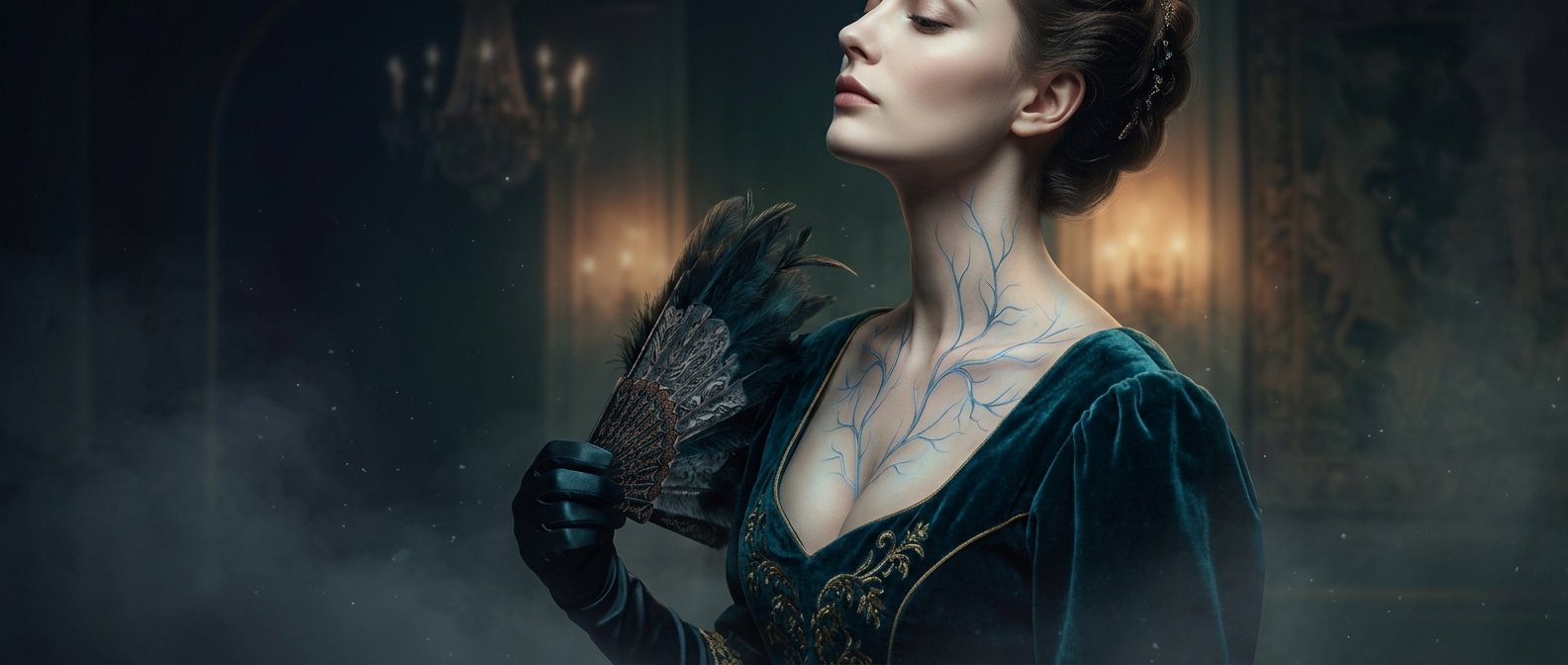
Nobles once drew veins on their skin
In 17th-century France, pale skin signaled that you were wealthy enough to avoid outdoor labor. Nobles drew blue lines on their skin to make the…
Discover more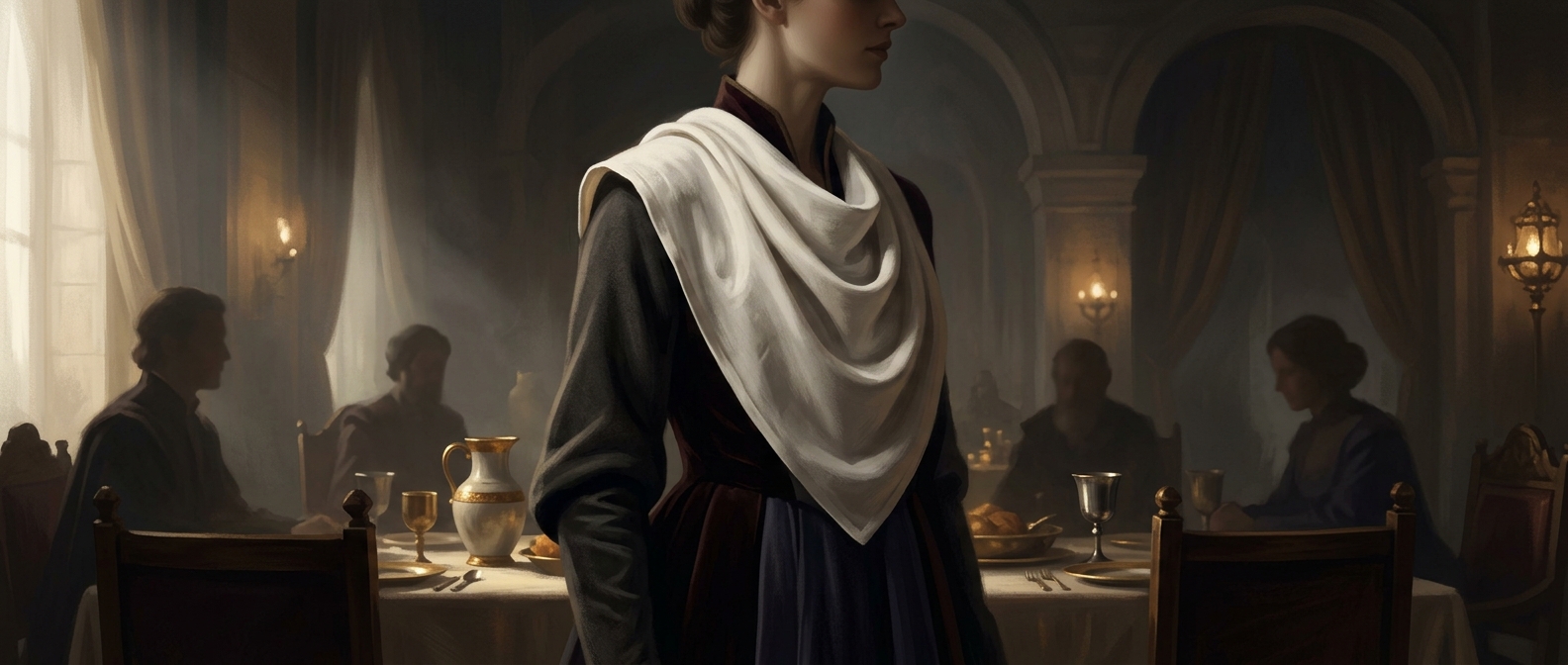
Dining napkins were strictly worn over the left shoulder
At elite tables in the 1600s, a napkin was less a lap accessory than a shoulder drape: diners wiped their mouths with a large cloth hanging over the left…
Discover more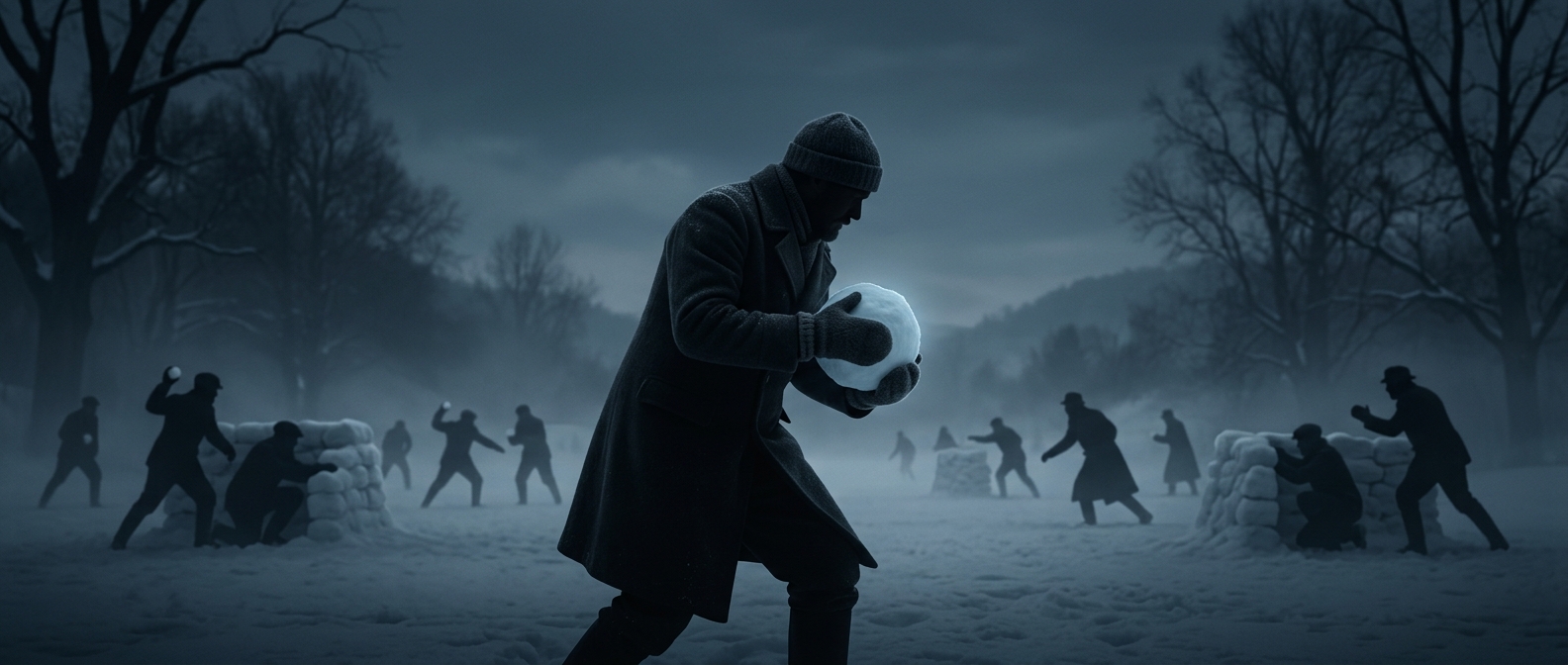
Medieval manuscripts caught adults having snowball fights
Illuminated calendars and books of hours show people throwing snowballs, including men and women as well as children. These small scenes sit among the serious…
Discover more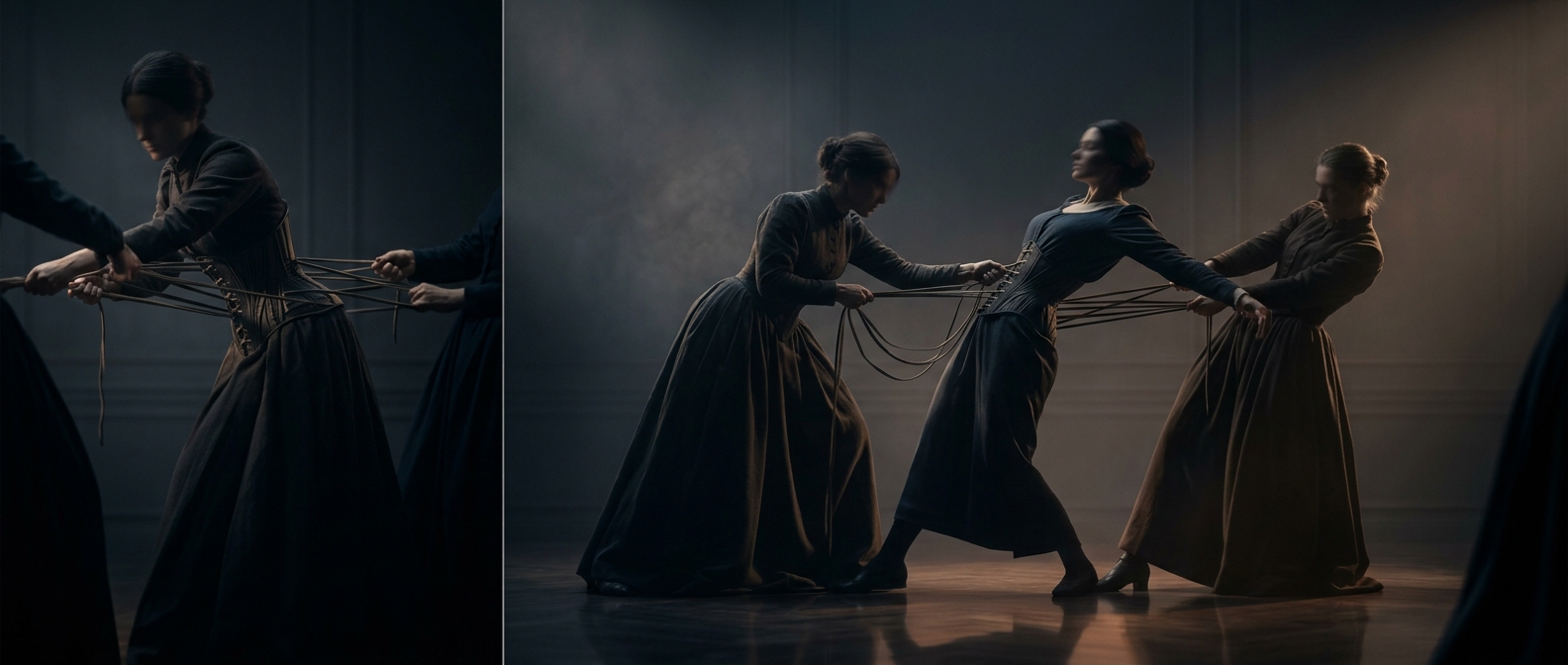
How people achieved impossibly tight waistlines
Tight-lacing could take two people: the wearer braced against a bedpost while an attendant pulled the laces, sometimes leaning their full weight into them.…
Discover more
When the beach became a health fad
Medical advice and fashion recast the seaside as a place to restore health, despite its earlier reputation as dangerous wasteland. The ocean hadn't changed;…
Discover more
Why bicycles once came with etiquette rules
Early cyclists were expected to carry old social rules onto a new machine: etiquette books even specified how far a gentleman should tip his hat to a woman as…
Discover more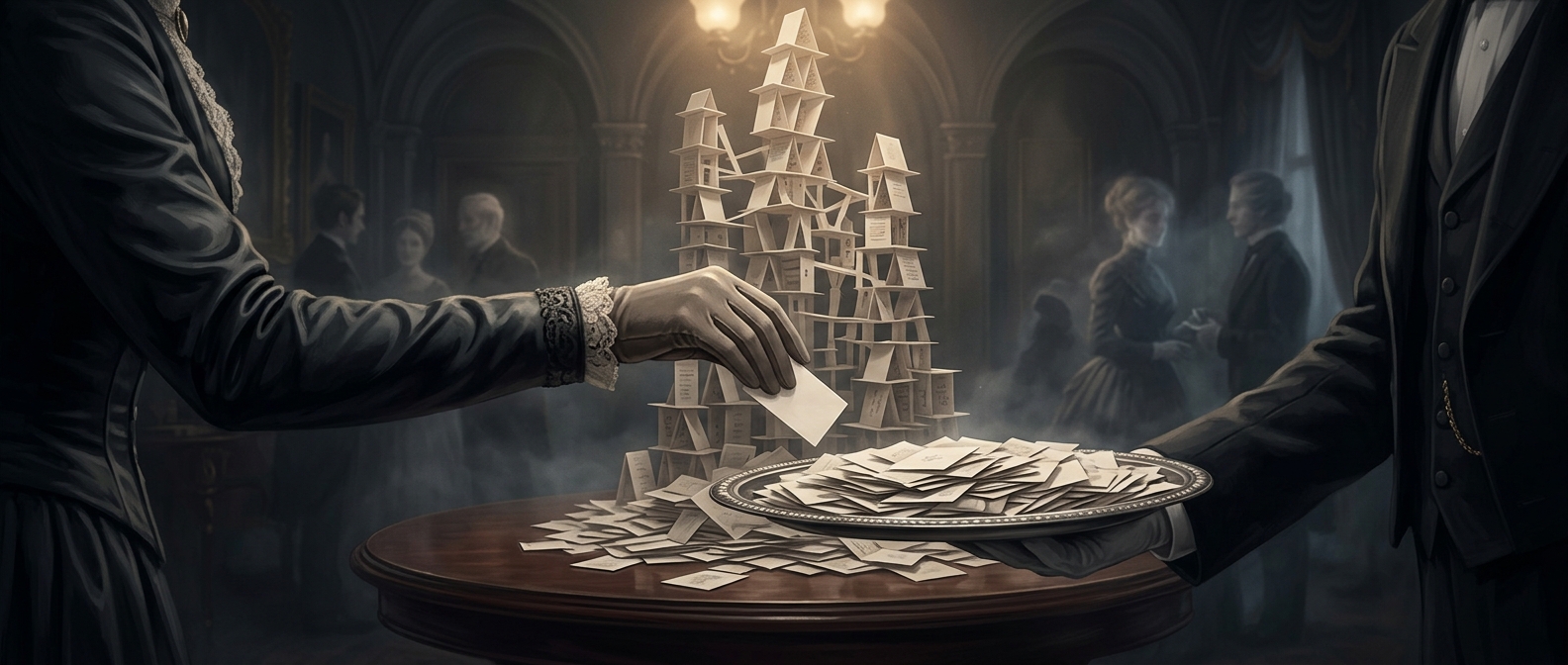
What a folded calling-card corner meant
A folded-up corner signaled that the visitor had delivered the card personally rather than sending it with a servant.
Discover more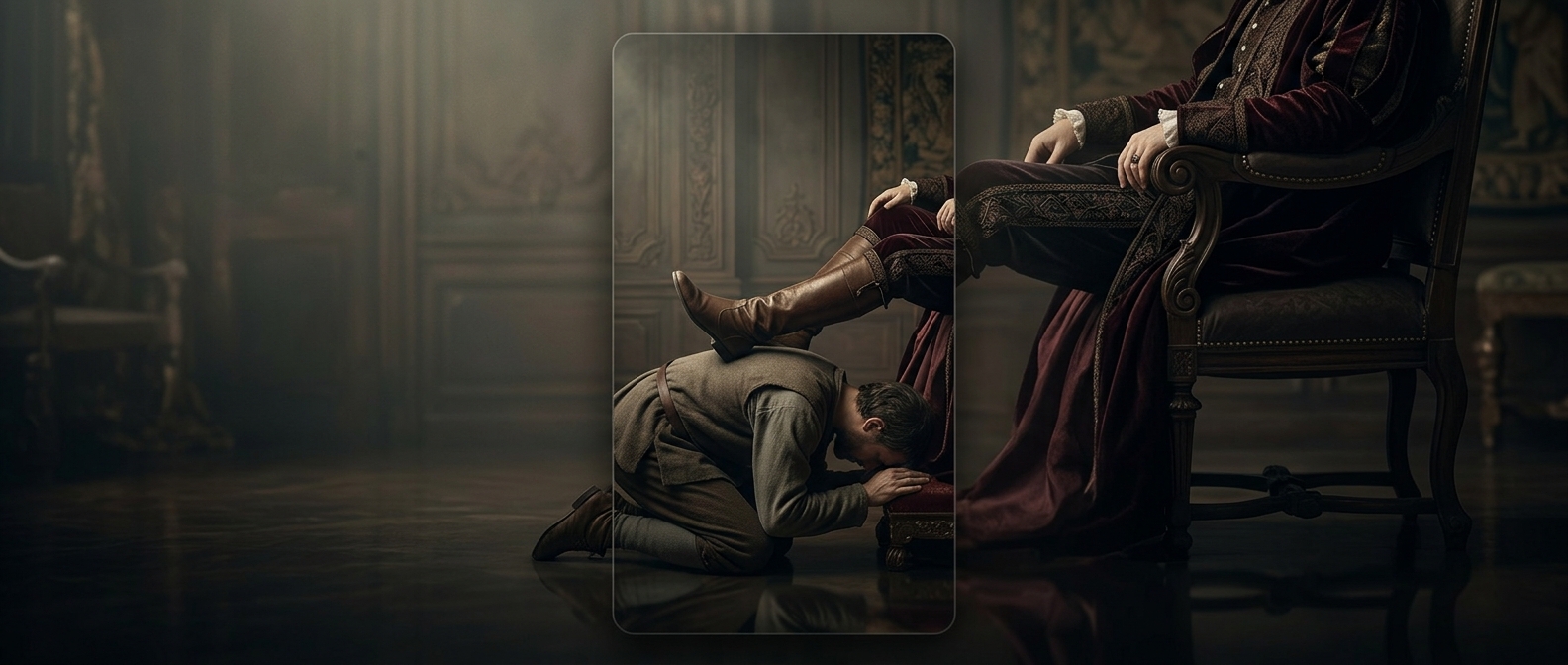
A cold carriage ride could come with a portable foot stove
Small foot warmers held hot coals or heated material inside a ventilated container. Placed under a blanket or long skirt, they kept heat close to the…
Discover more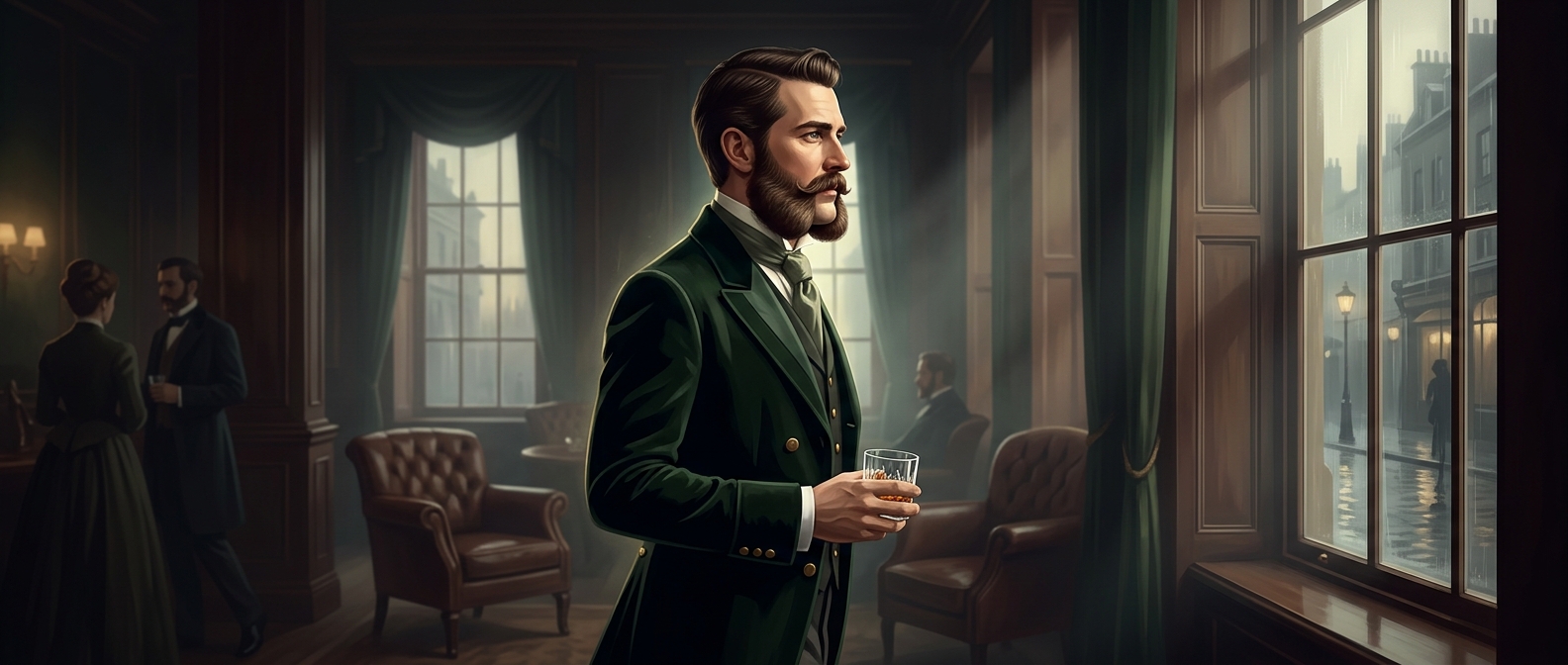
Leaving giant cheek sideburns was absolute peak style
The look paired a clean-shaven chin with large, unruly patches of hair along the cheeks.
Discover more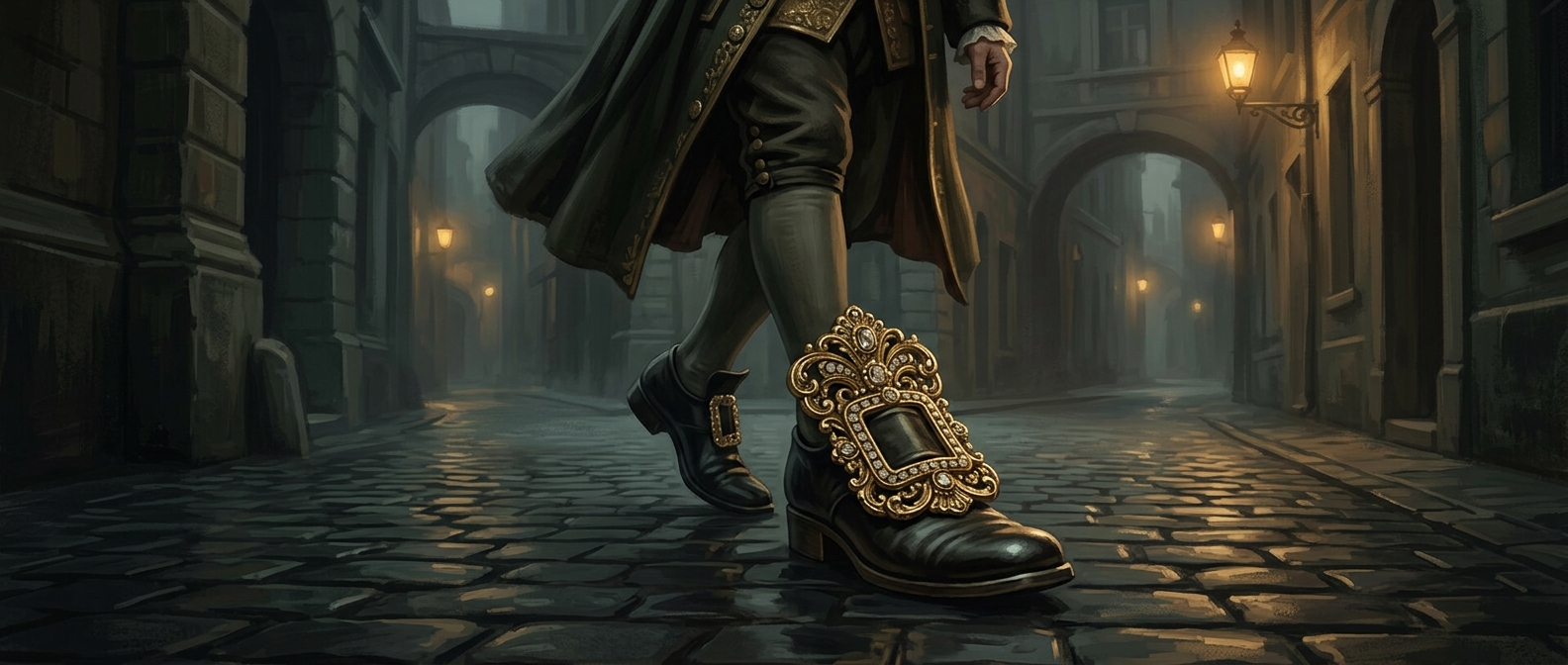
Shoe buckles once put wealth right at your feet
Large ornamental buckles made an ordinary fastening conspicuous, with expensive metals and stones turning shoes into a display of status. Unlike jewelry…
Discover more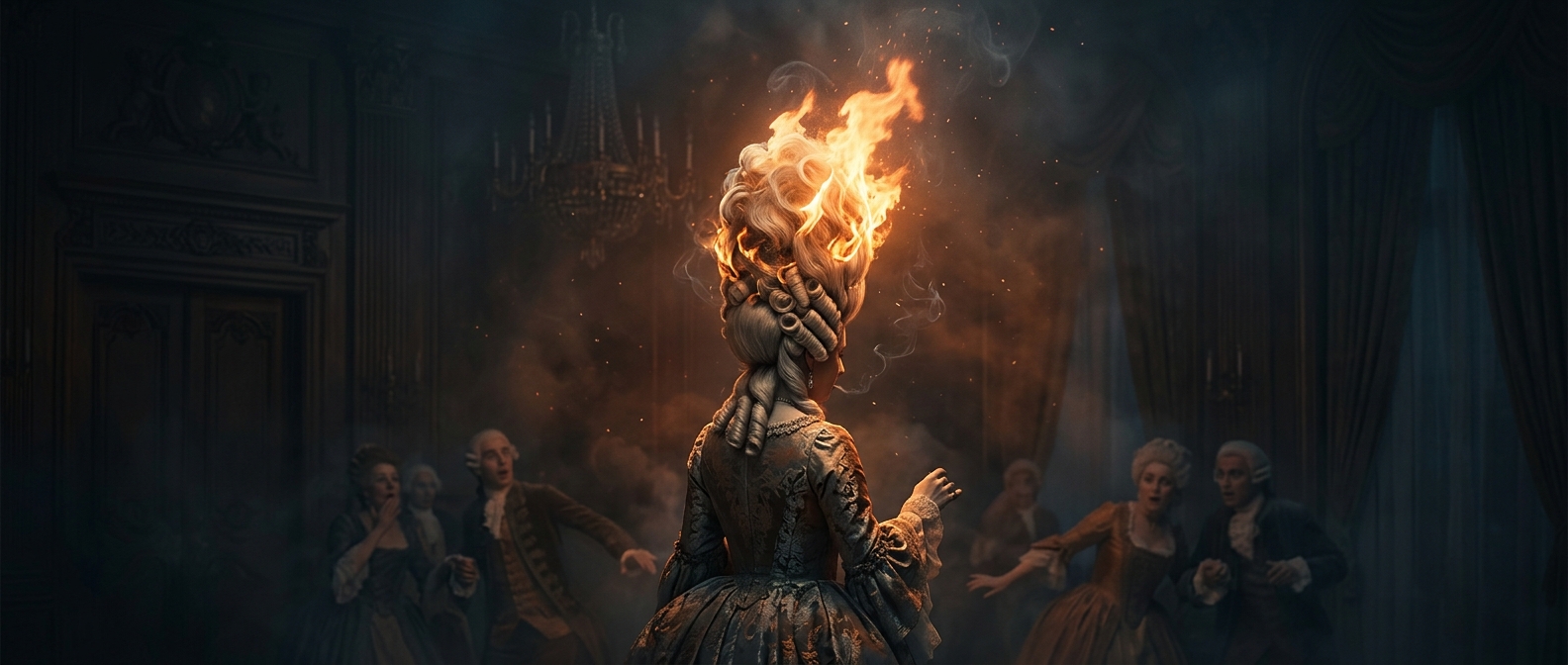
Eighteenth-century hairstyles were built, not just combed
Pomatum helped arrange the hair and hold powder, while false pieces added volume or changed the silhouette. Powder also helped blend natural and added hair…
Discover more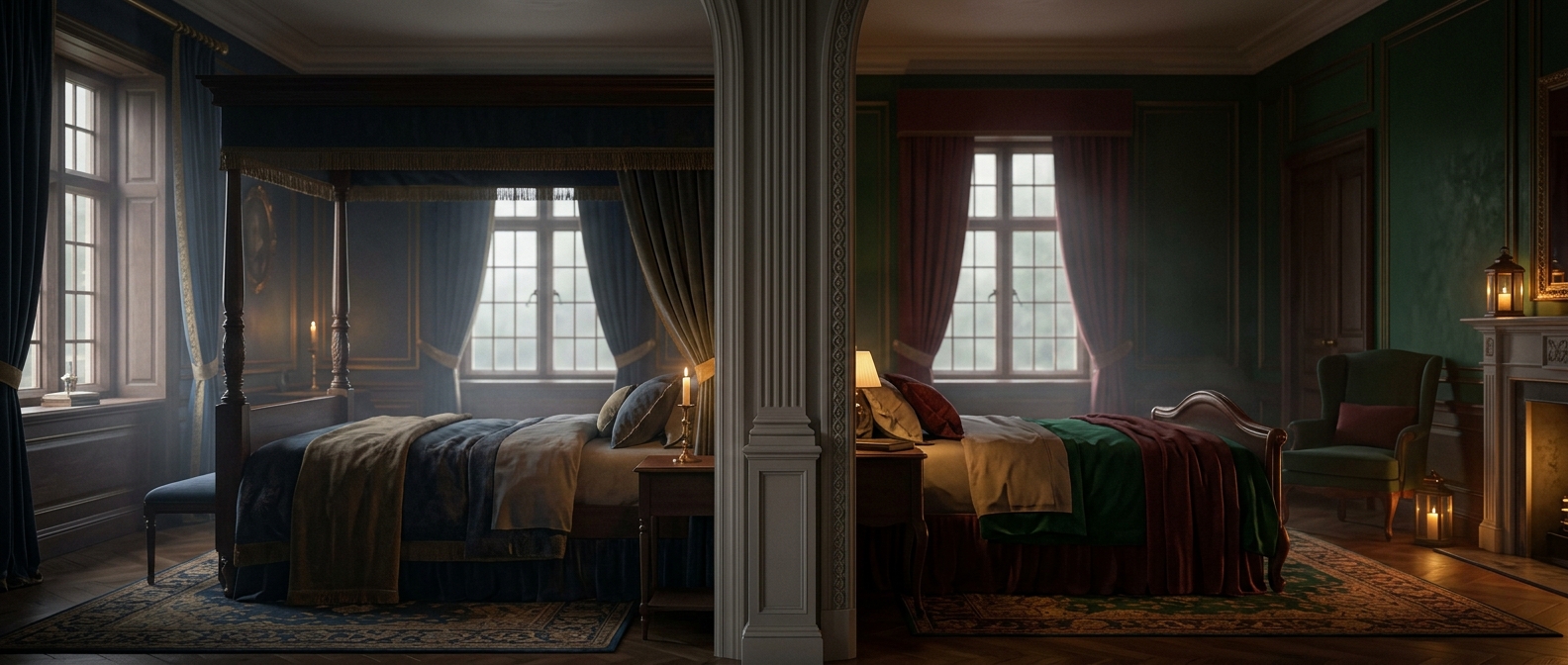
Why aristocratic couples slept in separate bedrooms
Aristocrats could afford separate rooms, while sharing a bed was associated with people short on space. Having a bedroom—or even a whole wing—to yourself was…
Discover more
Men wore corsets to create smaller waists
A smooth, narrow waist helped a dandy’s tailored coat hang just so. The fashionable silhouette came with its own hidden scaffolding.
Discover more
When crying in public was a sign of refinement
In the era of “sensibility,” visible emotion was treated as evidence of a refined soul, not a loss of control. At a party, a poem might leave guests weeping…
Discover more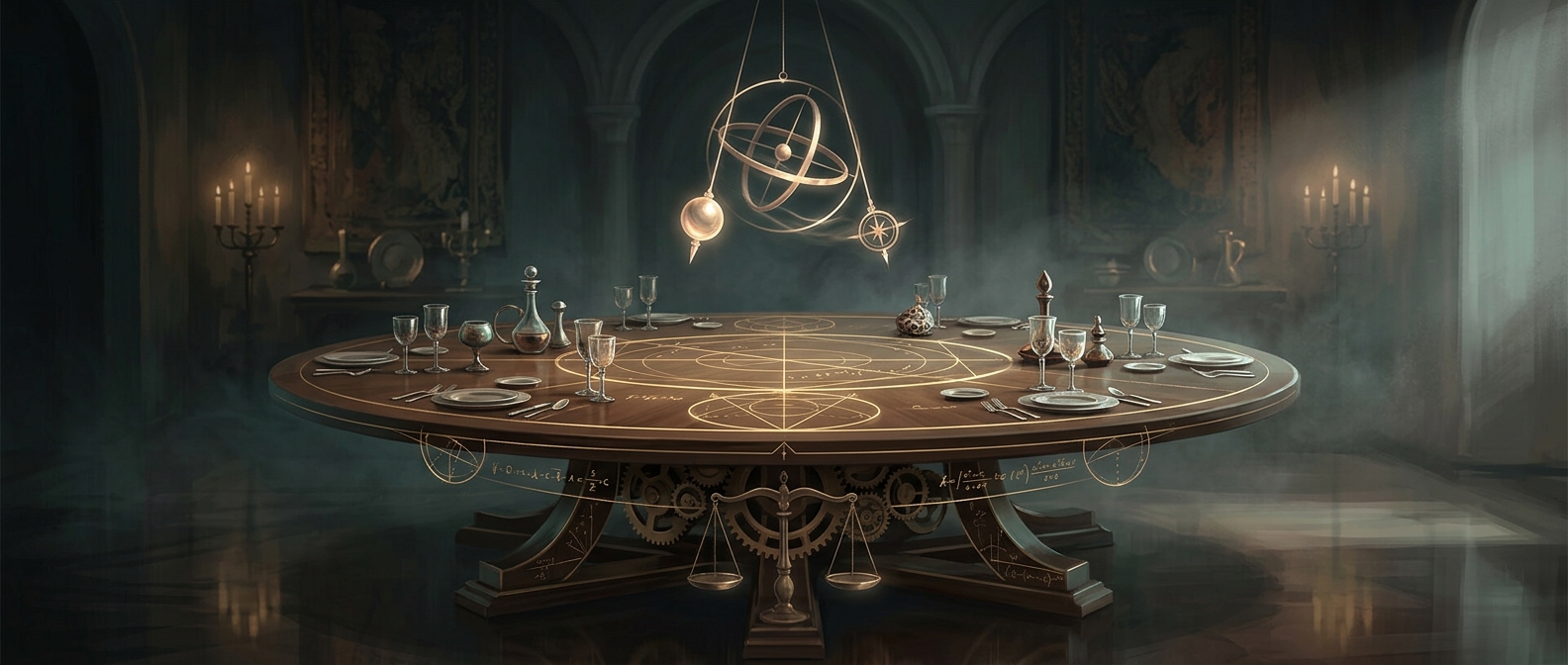
Dining tables had to be mathematically perfectly balanced
A bowl of soup on one side had to be matched by an identical bowl on the other; symmetry mattered as much as the meal.
Discover more