History
Discover facts about history. Small discoveries that change the way you see familiar things.
History
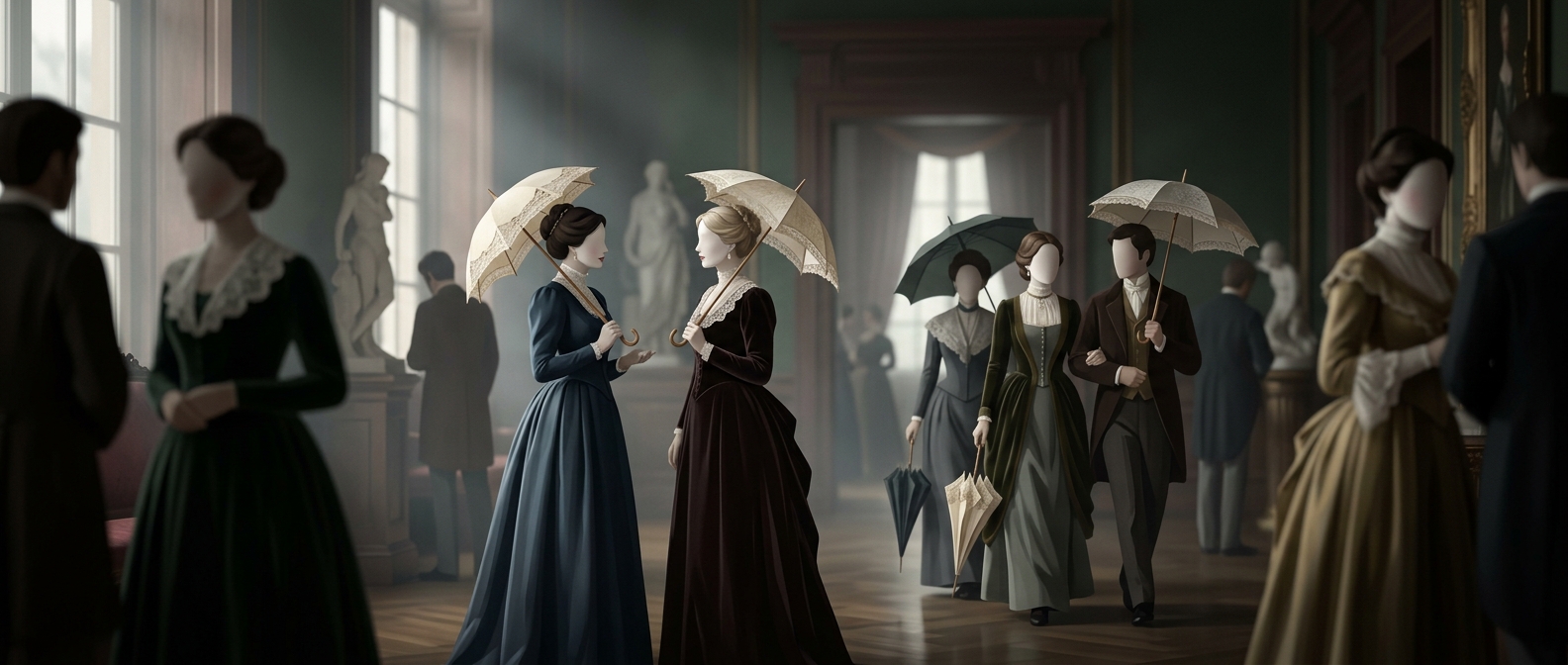
A parasol made shade something you could carry
Before sun umbrellas became associated with beach holidays, pale skin could signal that a person didn't work outdoors. A parasol protected that appearance…
Discover more
A Victorian morning visit could begin at 4 p.m.
Etiquette used “morning” to mean the social hours before dinner. One visiting guide placed these short calls between 2 and 4 p.m. in winter, extending to 5 in…
Discover more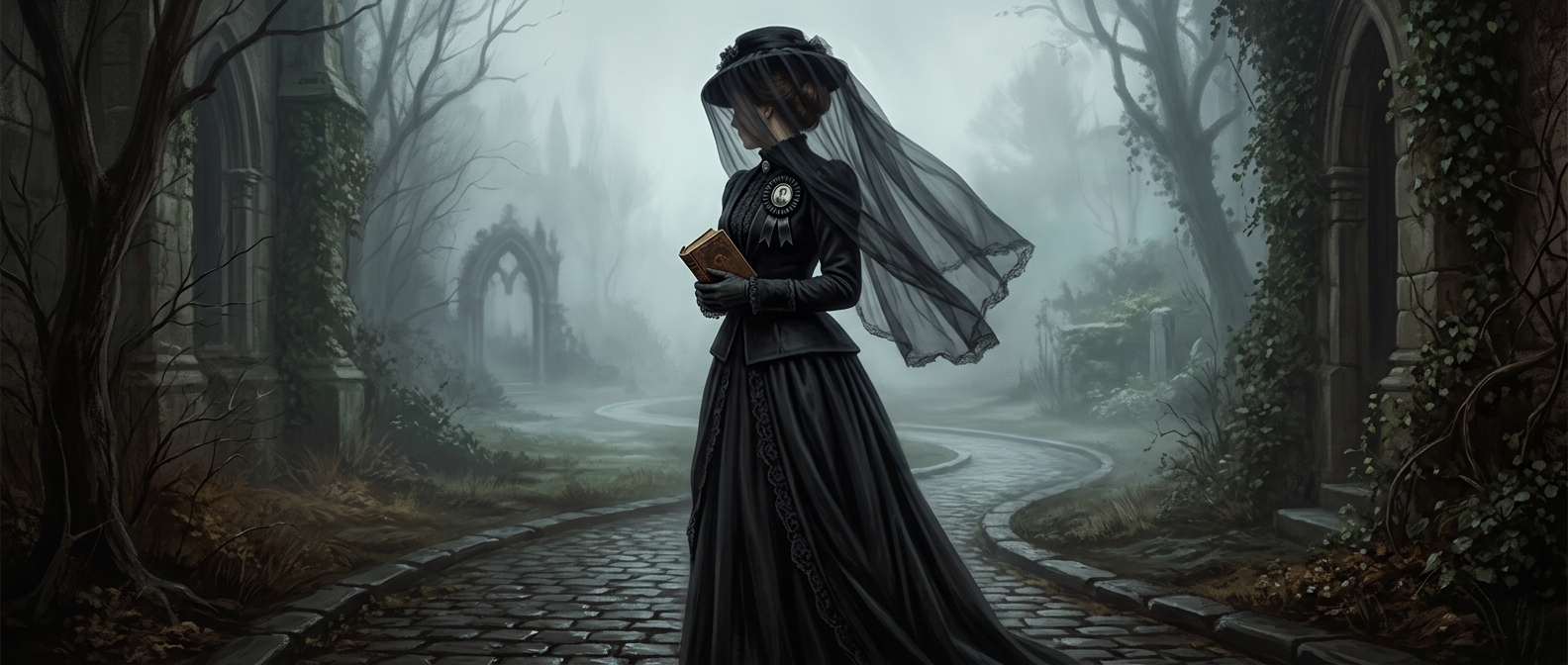
Why mourning once dictated your wardrobe
Mourning clothes made grief visible, and the slow shift from dark to gray and purple marked the passage back toward ordinary life. Even getting dressed came…
Discover more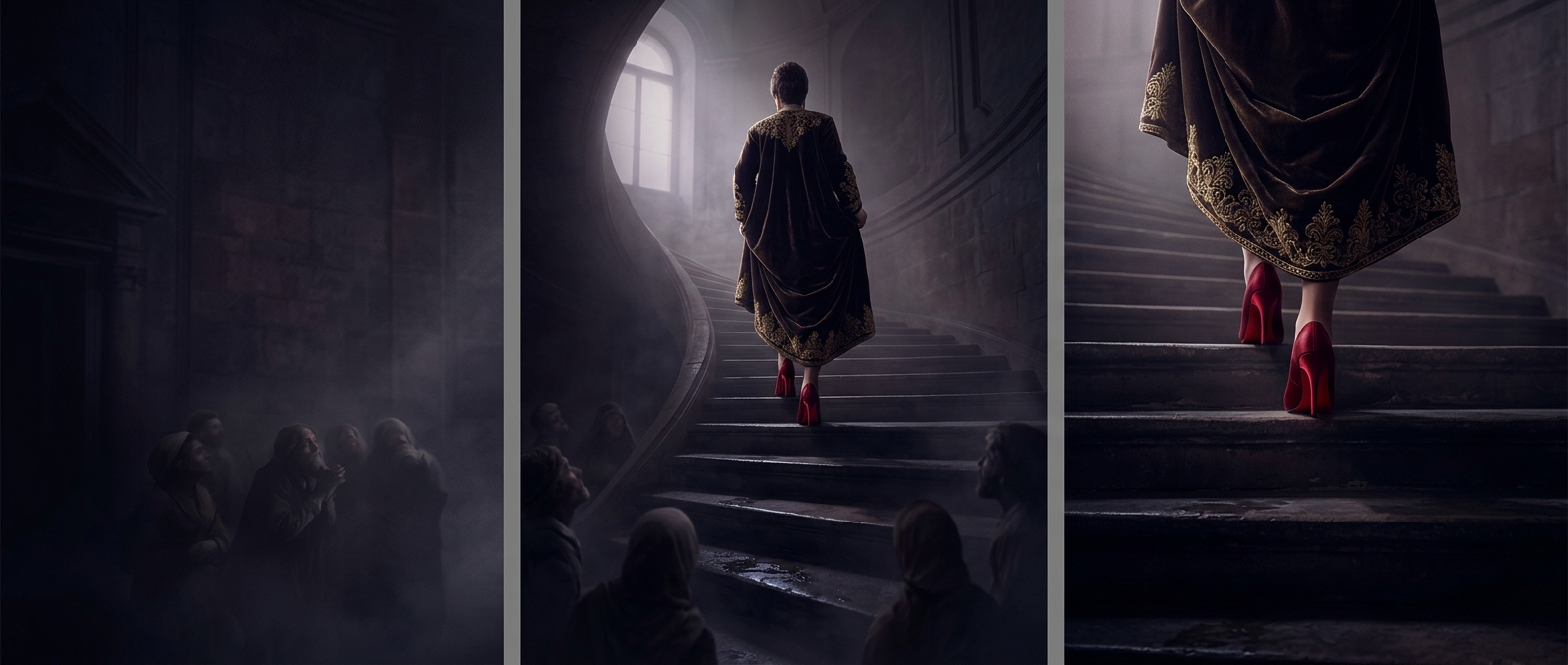
Why aristocrats wore red heels
At Louis XIV’s court, red heels were a visible badge of noble rank, and wearing them without the status to back it up could ruin a person socially. The color…
Discover more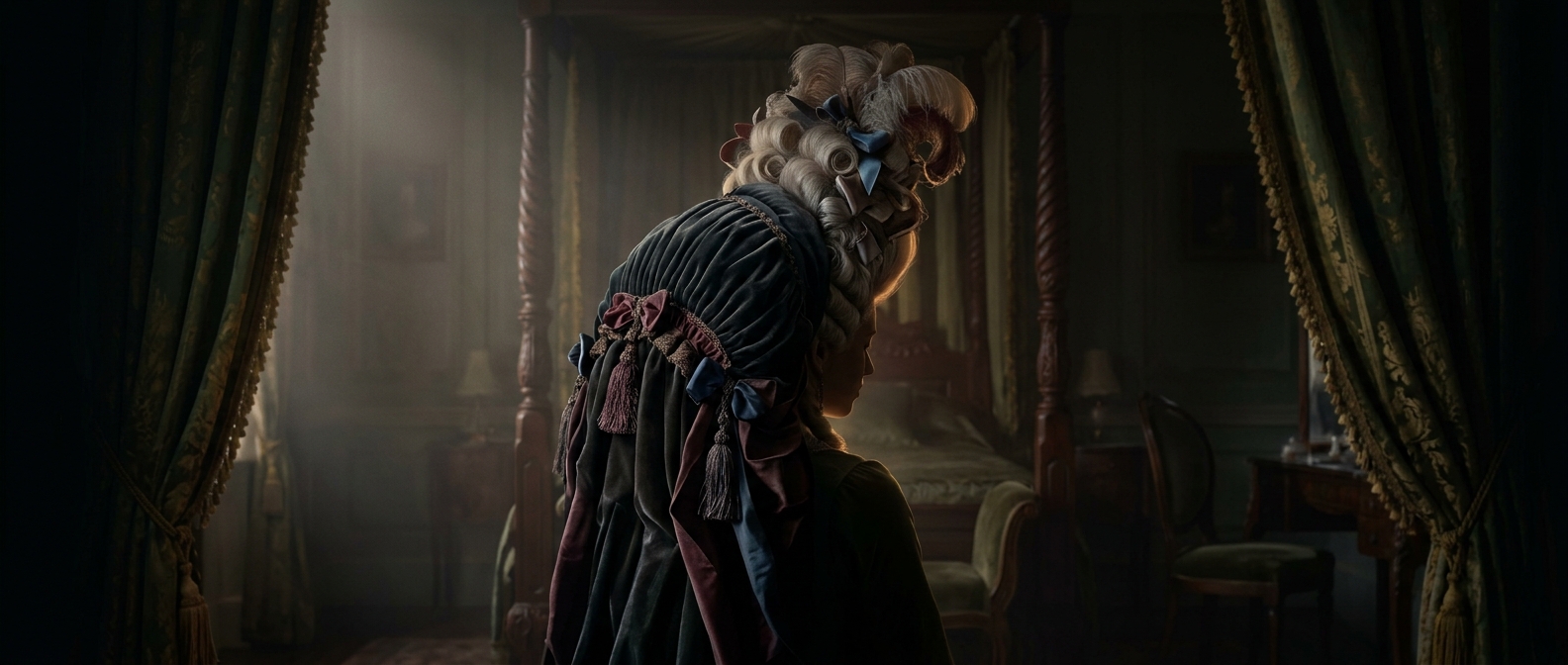
A nightcap could be fancy enough to wear in company
Early modern nightcaps were not just bedtime accessories: people wore them indoors against drafts and even beneath other hats. Surviving examples use silk…
Discover more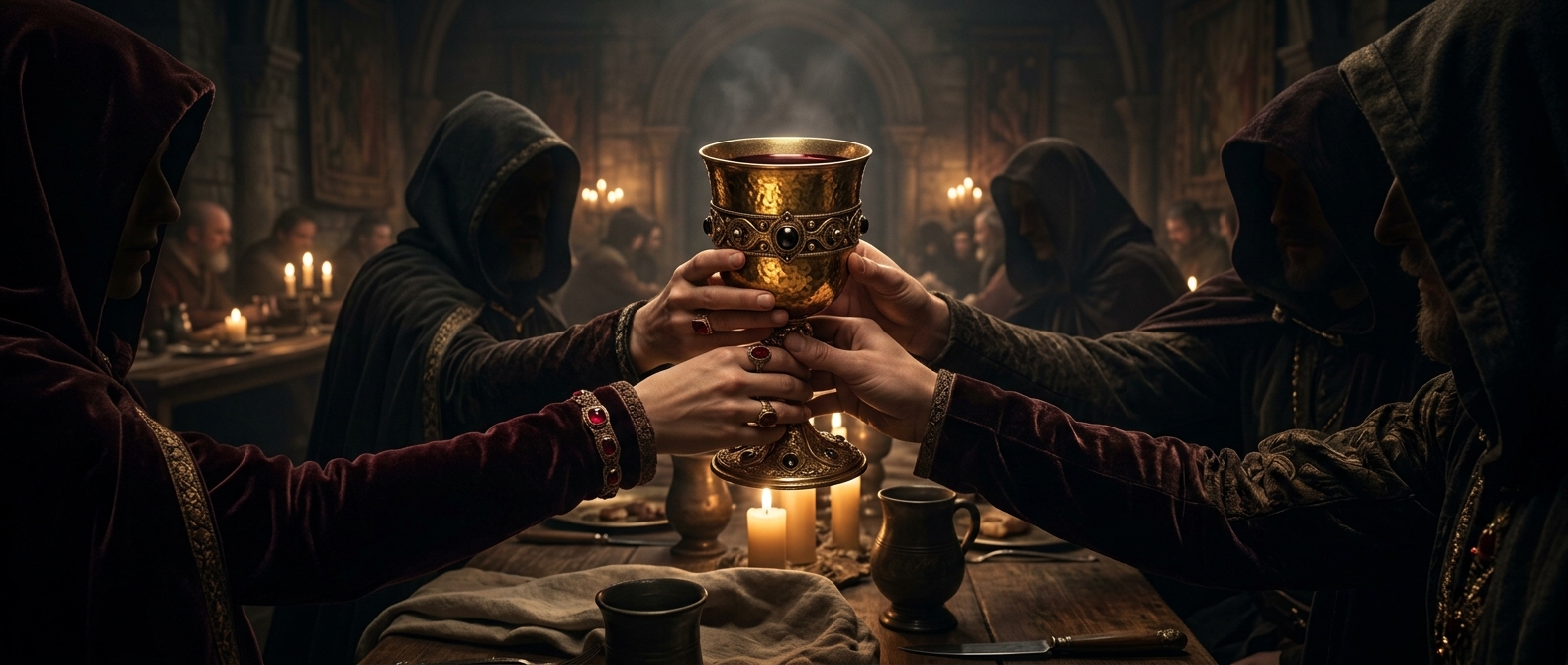
Aristocrats once shared a single drinking cup
Before individual glassware was common, even aristocrats passed one large cup around the table. Rank could buy a feast, but not necessarily a glass for every…
Discover more STACKY FOR IPHONE
A bigger world.
One discovery
at a time.
Keep discovering with Stacky. Interesting facts in an app that is always within reach.
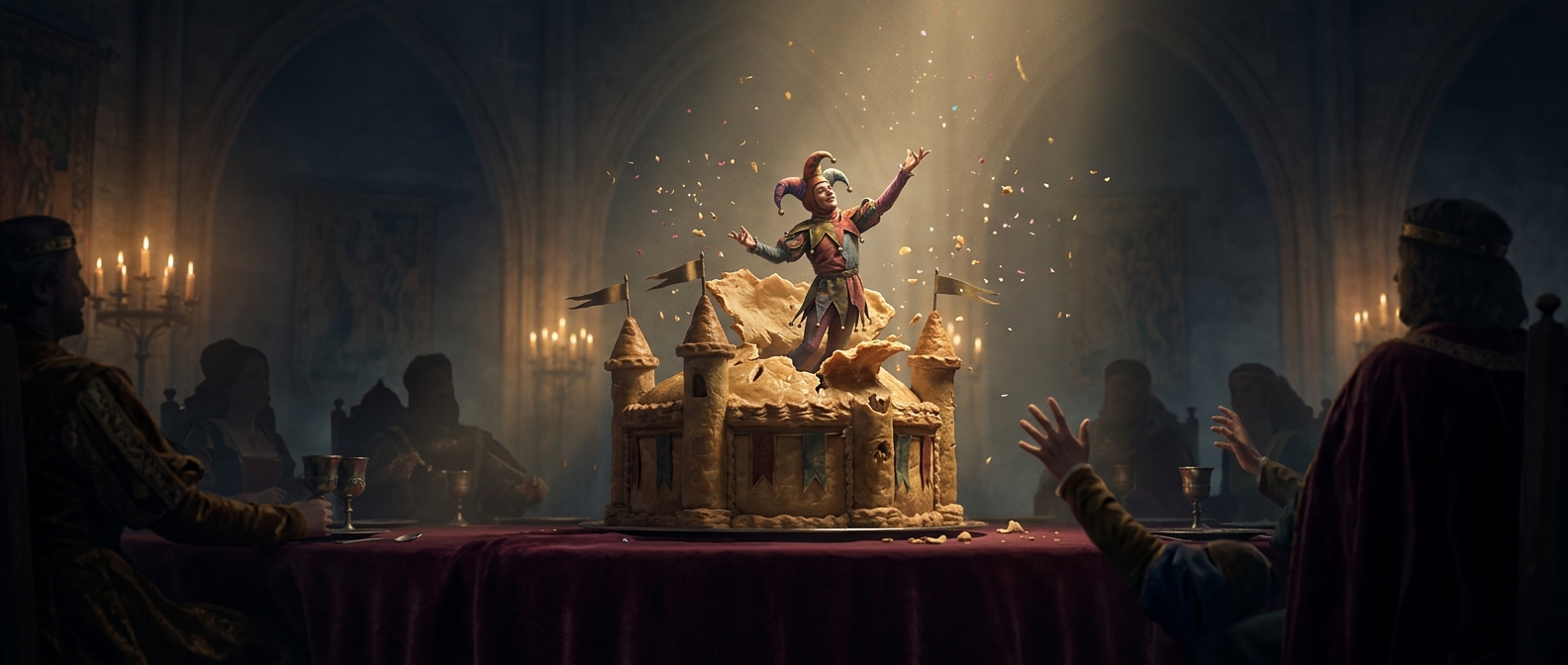
A royal banquet introduced Jeffrey Hudson inside a pie
The Duchess of Buckingham presented Hudson to Charles I and Henrietta Maria as a surprise emerging from a large pie. He became part of the queen's court. The…
Discover more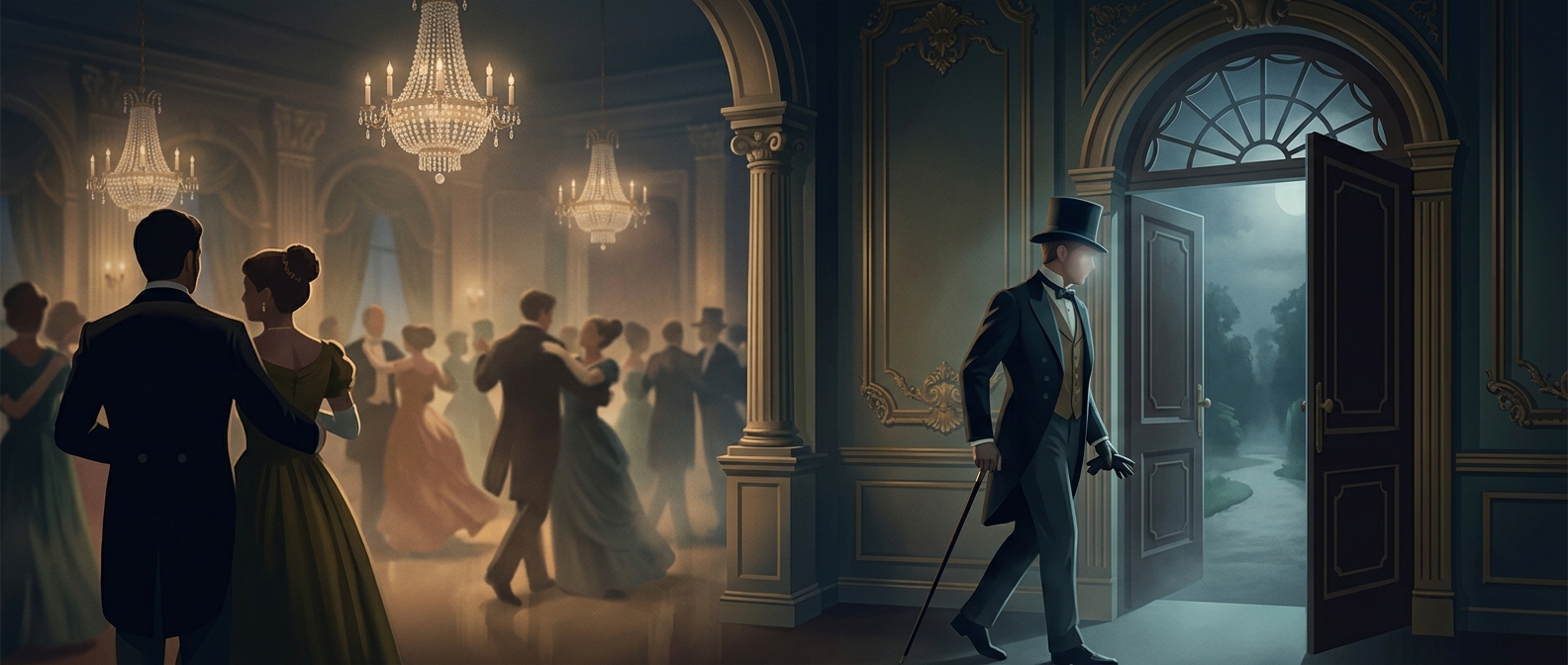
A quiet exit can be more considerate than a farewell tour
At a large gathering, announcing every departure can repeatedly interrupt the host and the conversation. Etiquette has therefore allowed discreet departures…
Discover more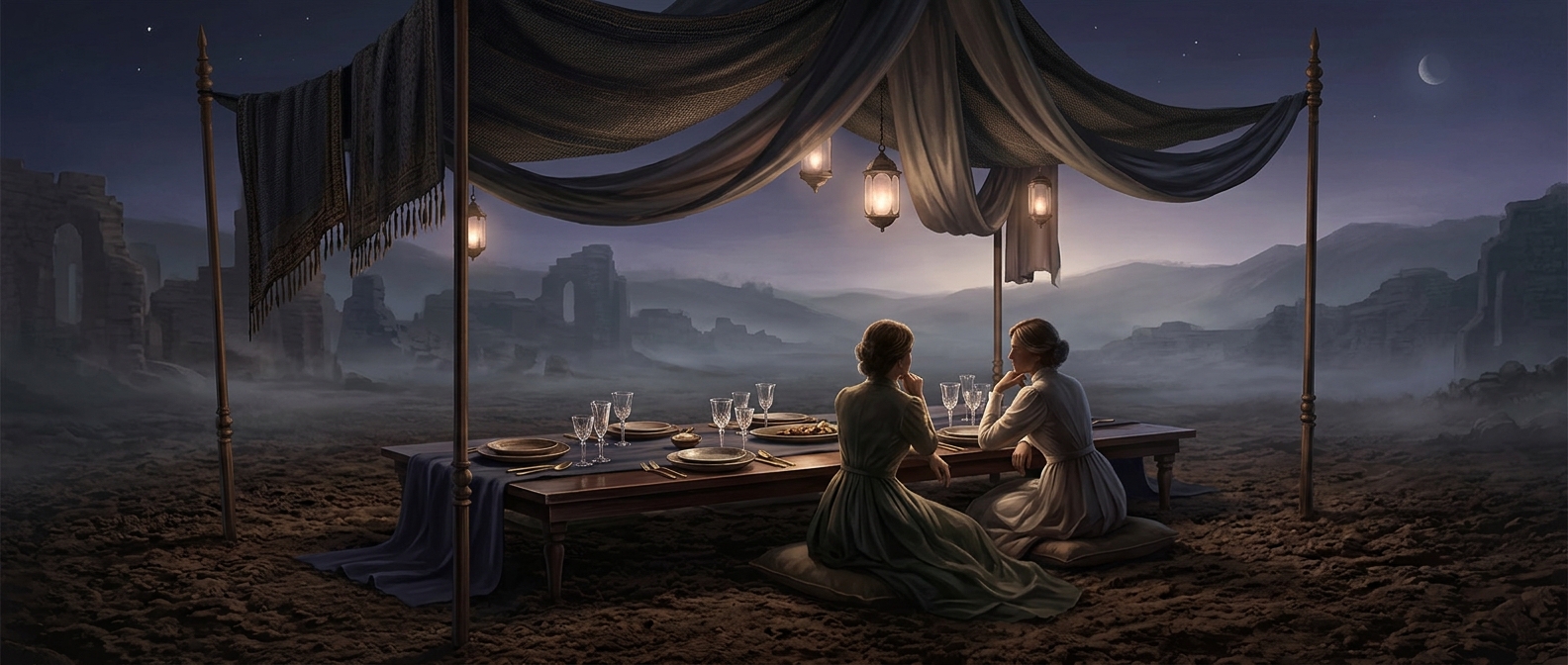
When eating outdoors became fashionable
Aristocrats took the formality of fine indoor dining into the woods, carrying their plates out to eat on the grass. The point was not roughing it; it was…
Discover more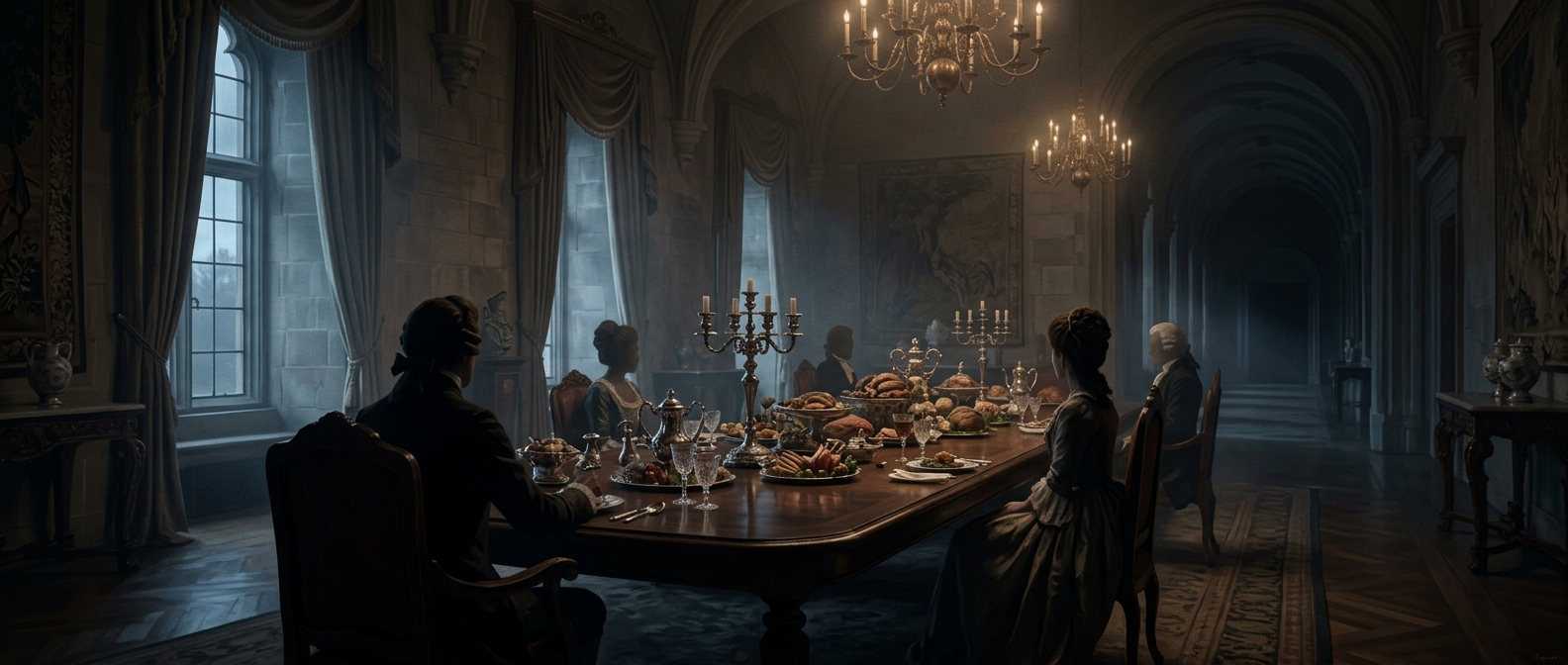
When a dining room became a status symbol
A separate dining room meant a household could afford to devote an entire room to meals, instead of making one space do double duty for sleeping, cooking, and…
Discover more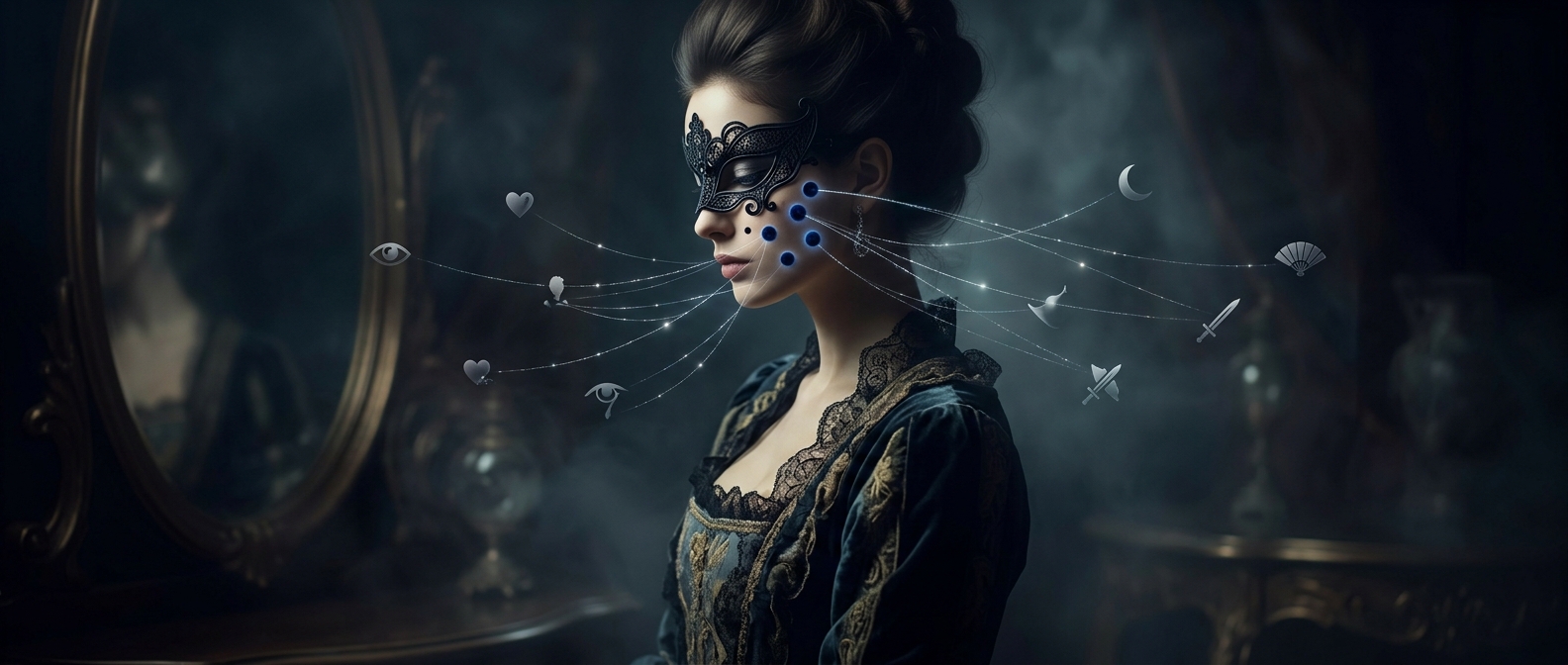
Beauty spots were once accessories you could peel off
Fashionable Europeans wore dark patches made from materials such as velvet to imitate moles or cover marks on the skin. Against a pale complexion, the tiny…
Discover more
Why French shepherds once wore giant stilts
In the wet Landes, ordinary steps sank into marshy ground. Stilts let shepherds cross above it, turning a bog into a workplace.
Discover more
A Brooklyn restaurant served dinner without conversation
In 2013, Eat in Greenpoint hosted meals whose guests agreed to remain silent. The chef said the idea drew on monastery dining and was meant to focus attention…
Discover more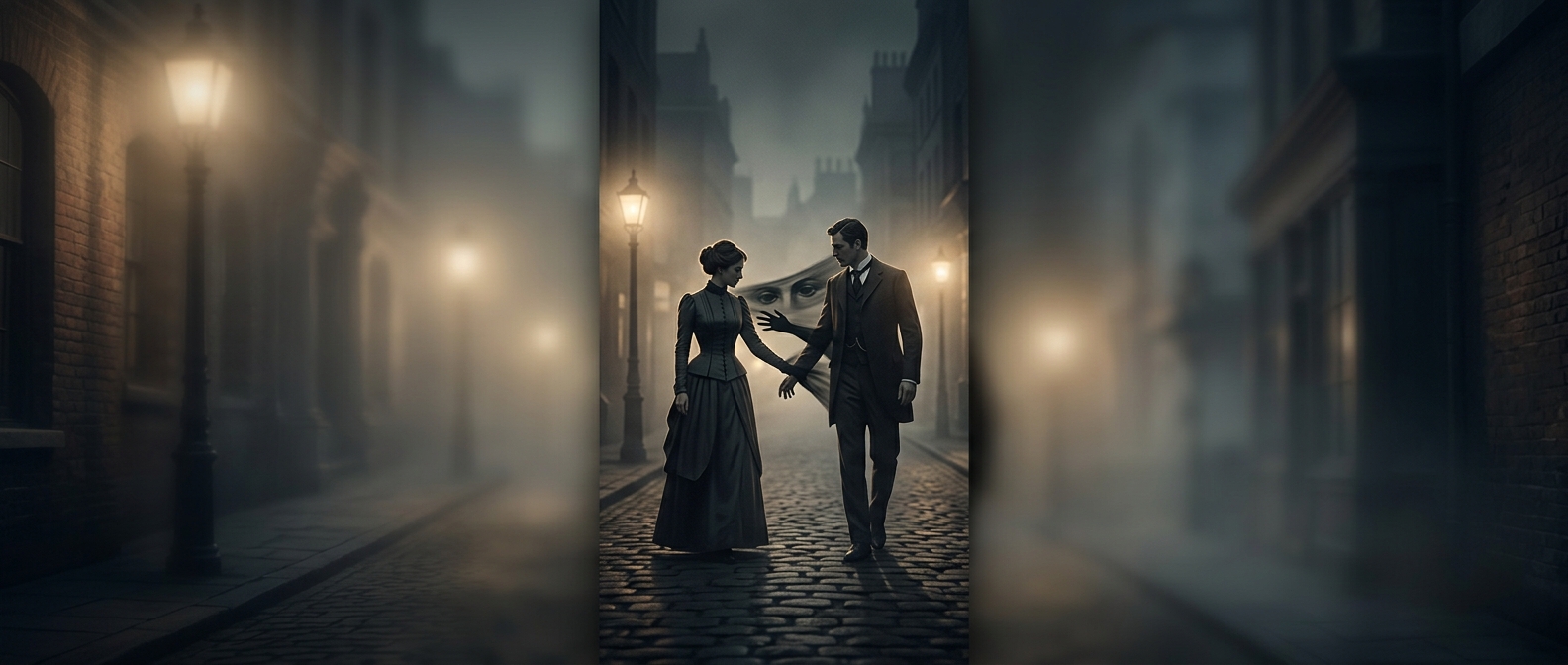
Holding hands in public was considered deeply inappropriate
In some high-society settings, couples kept their gloves on and offered an arm instead. Even affection had to observe the dress code.
Discover more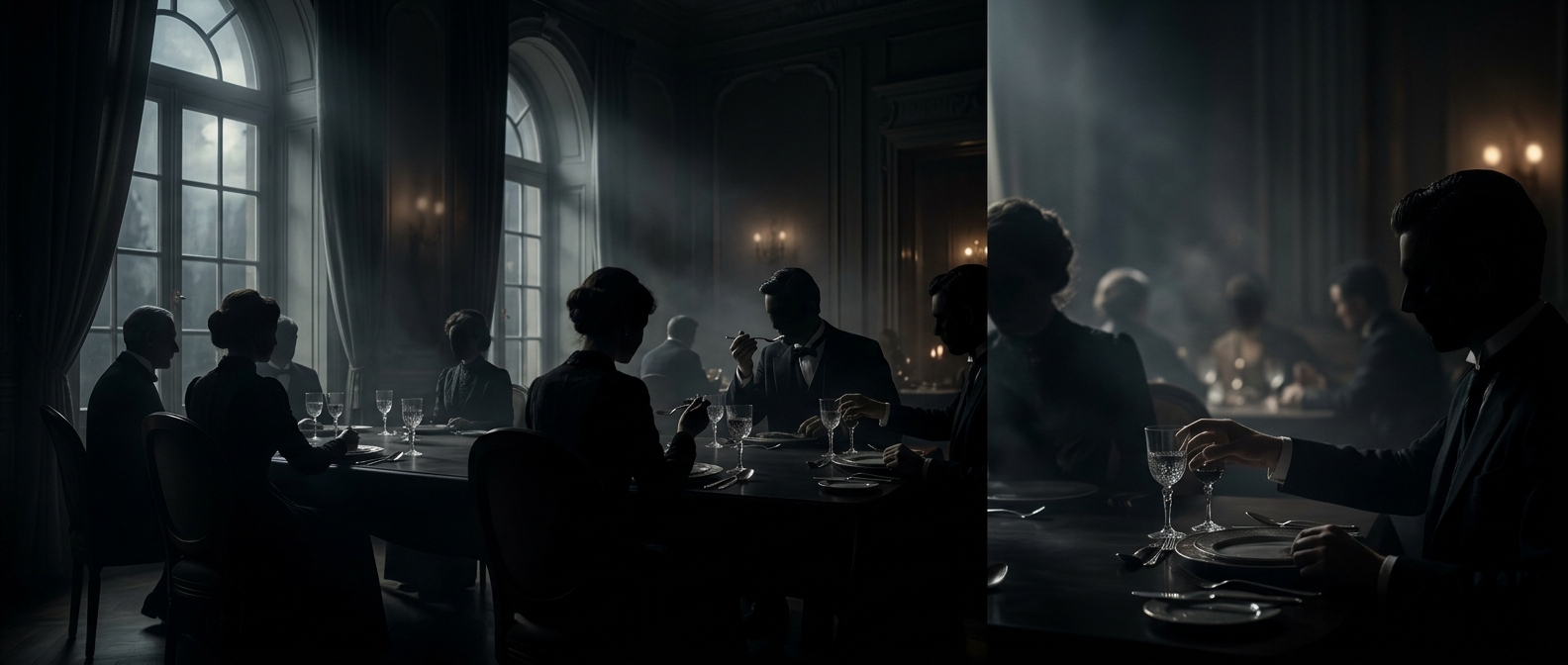
A food critic invited guests to a dinner disguised as his funeral
Accounts of Grimod de La Reynière's theatrical entertaining include an 1812 invitation announcing his own death. Guests arrived expecting mourning and…
Discover more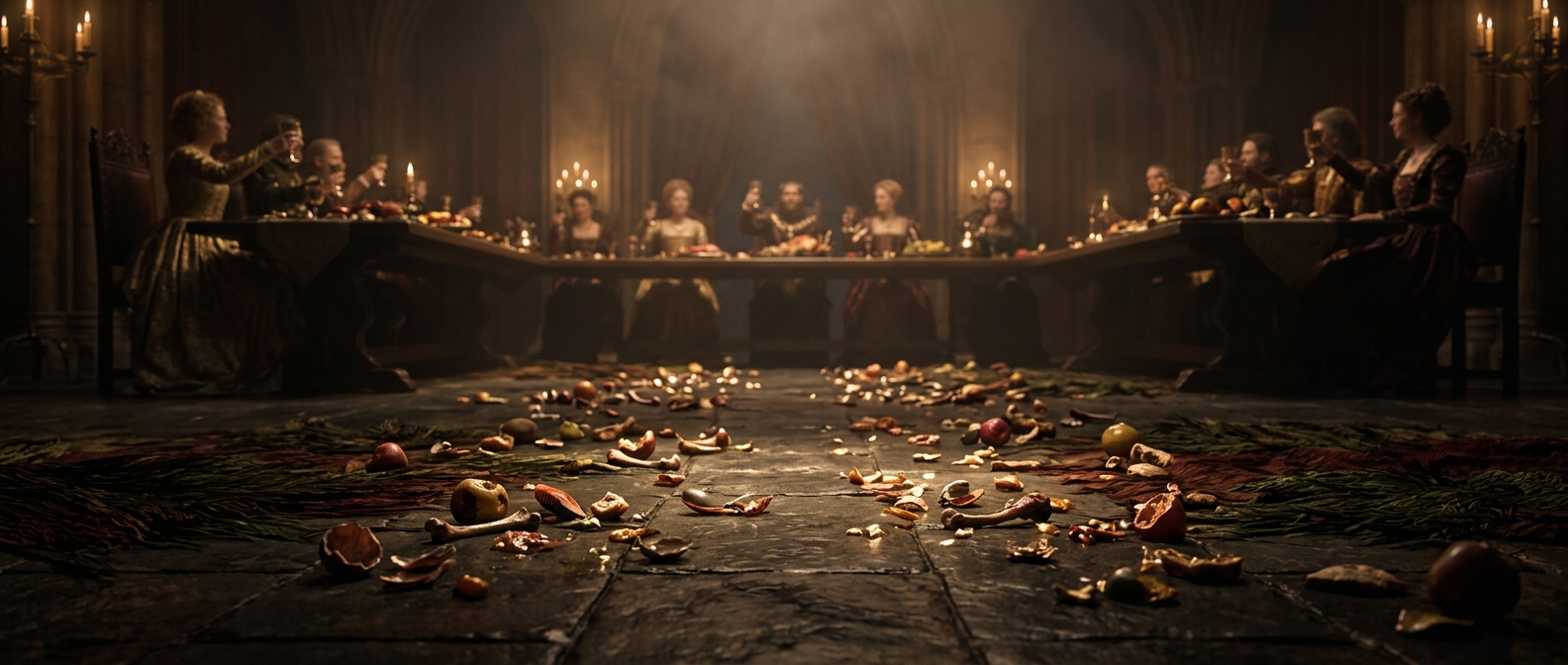
A Roman mosaic could make the floor look permanently unswept
The “unswept floor” design depicts discarded food scraps with tiny colored tiles. A surviving example by Heraclitus decorated a dining room and includes the…
Discover more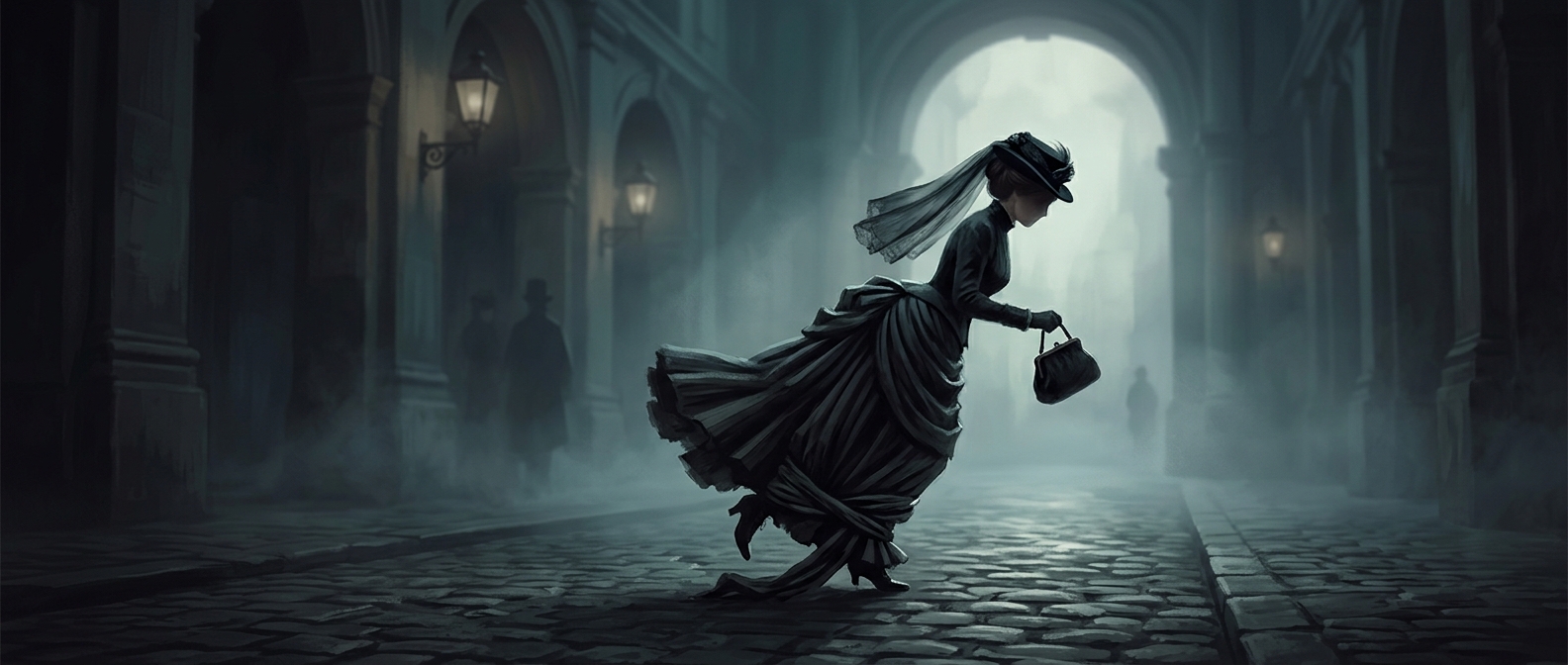
When skirts made walking nearly impossible
To get the fashionable narrow silhouette, skirts were cut so tightly at the hem that wearers could barely stride. Some women waddled; others fell on public…
Discover more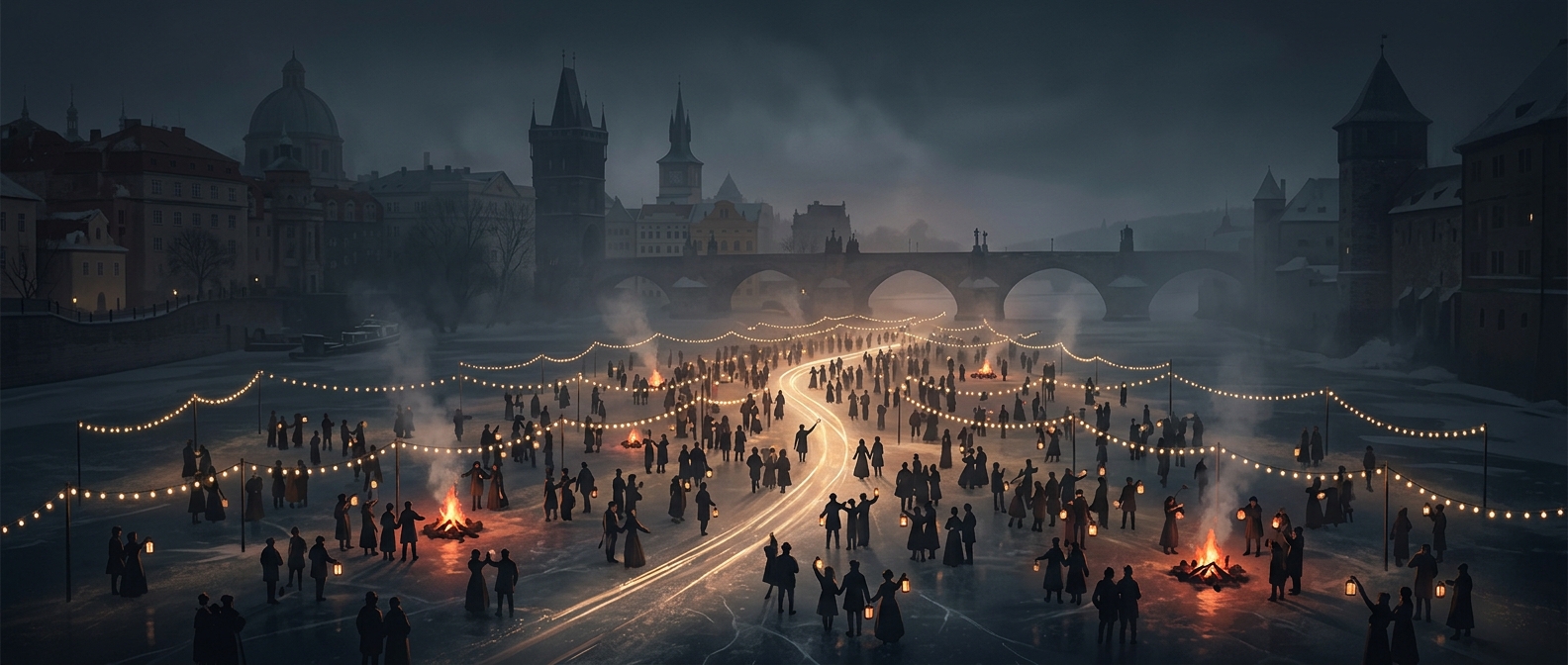
Londoners bought souvenirs printed on the frozen Thames
At the 1814 frost fair, stalls and entertainments stood on the ice, and a printing press produced keepsakes for visitors. London Museum preserves a print…
Discover more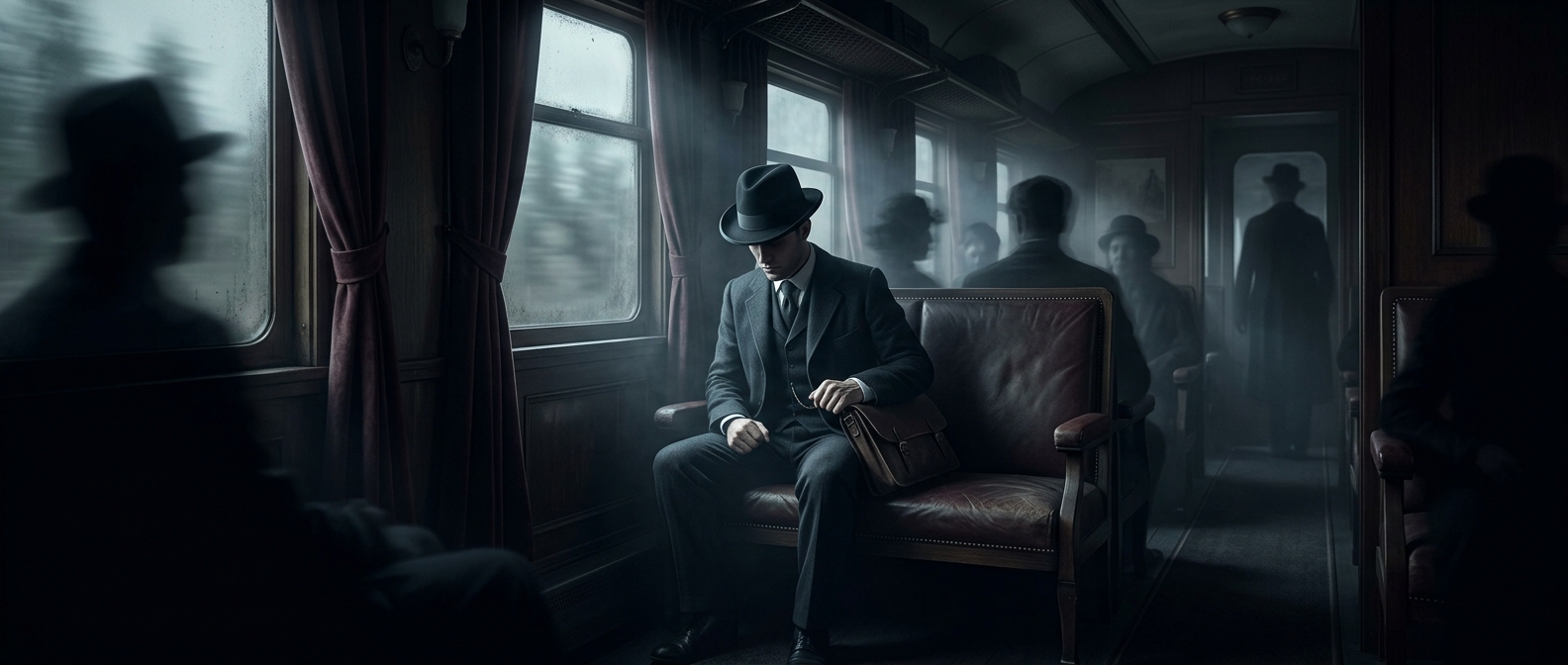
Why train passengers once feared strangers
Rail travel put elite passengers in small, enclosed carriages with strangers, a new kind of intimacy many found alarming. Some spent the journey avoiding eye…
Discover more
Cheek plumpers reshaped faces from inside the mouth
These cosmetic inserts pushed the cheeks outward to create a fuller face. Surviving examples appear in the Science Museum's collection alongside false…
Discover more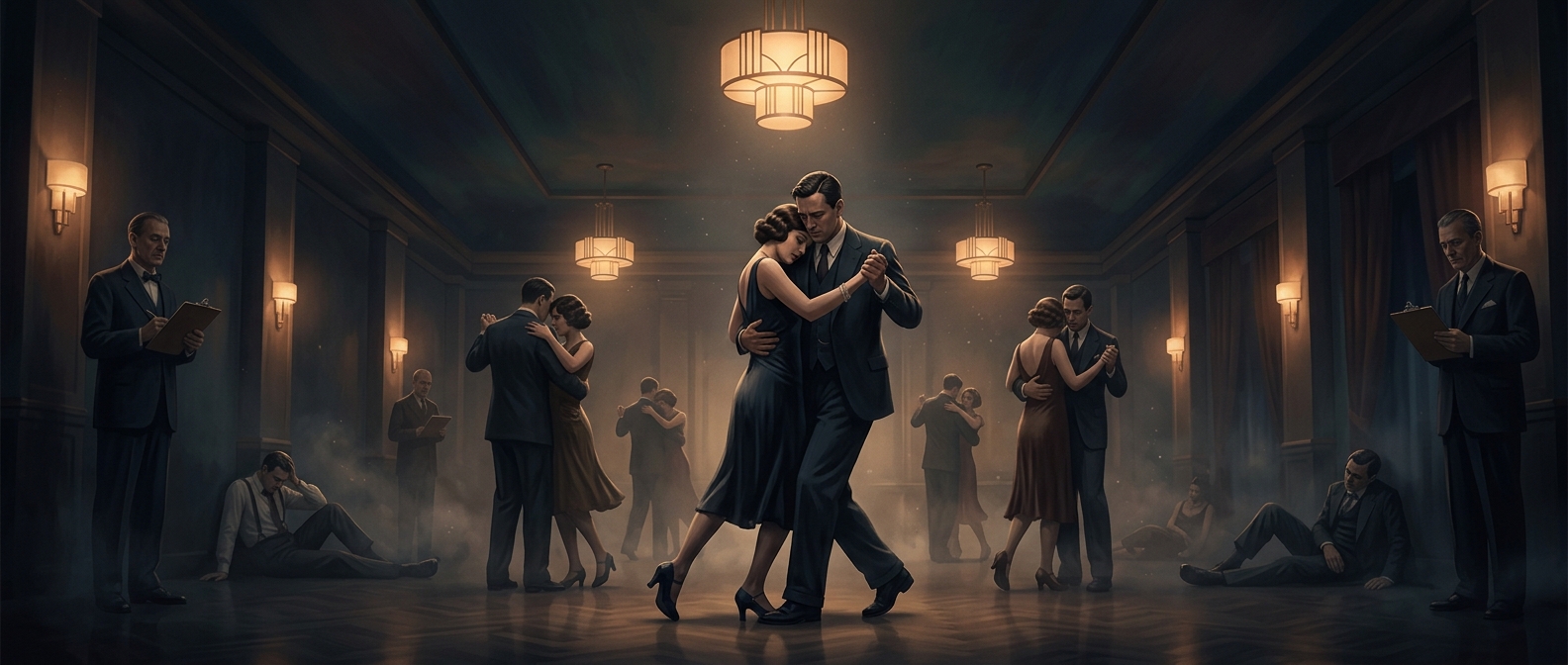
The dance contests that lasted for hundreds of hours
In 1920s and ’30s dance marathons, partners competed to stay on the floor for days. If one collapsed, the other could drag the limp partner along—less…
Discover more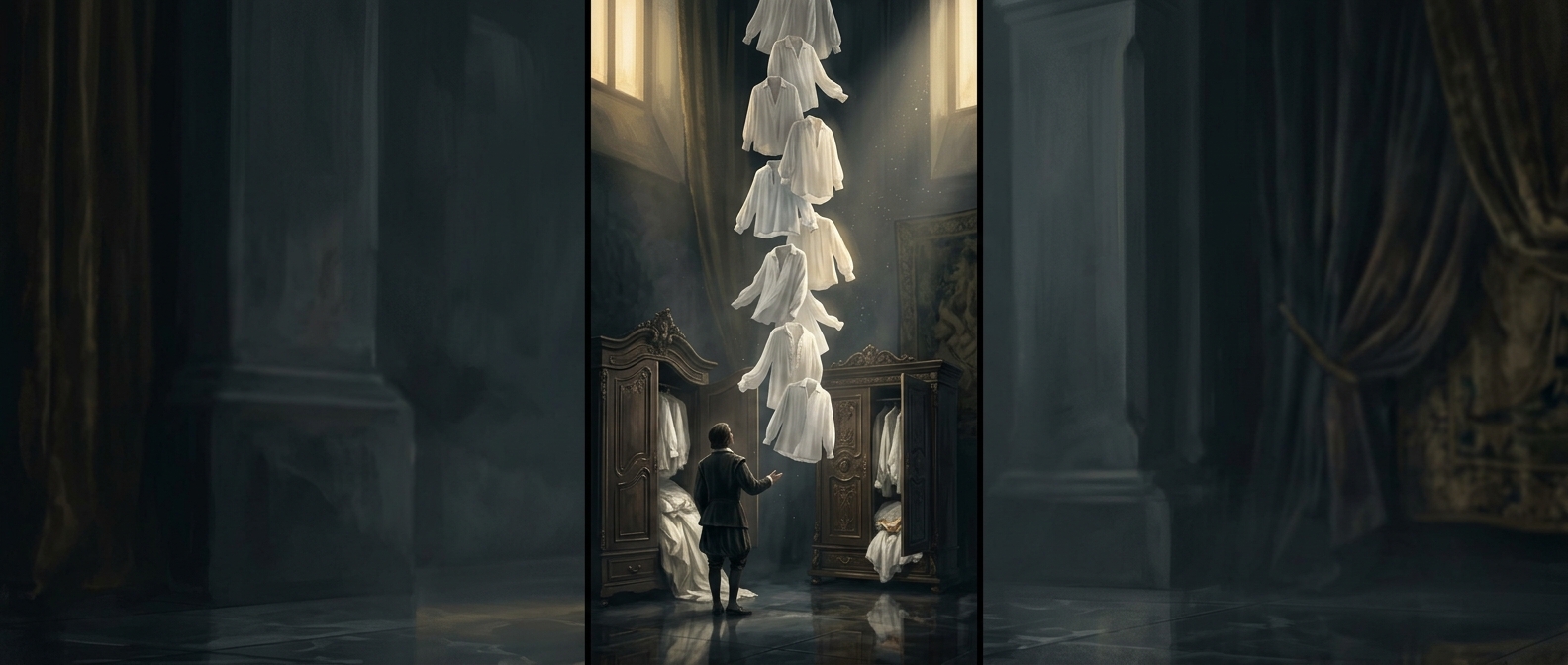
A spotless collar once advertised the labor behind it
Clean white linen at the neck and wrists made personal cleanliness visible. Elaborate collars also displayed the washing, starching, and setting needed to…
Discover more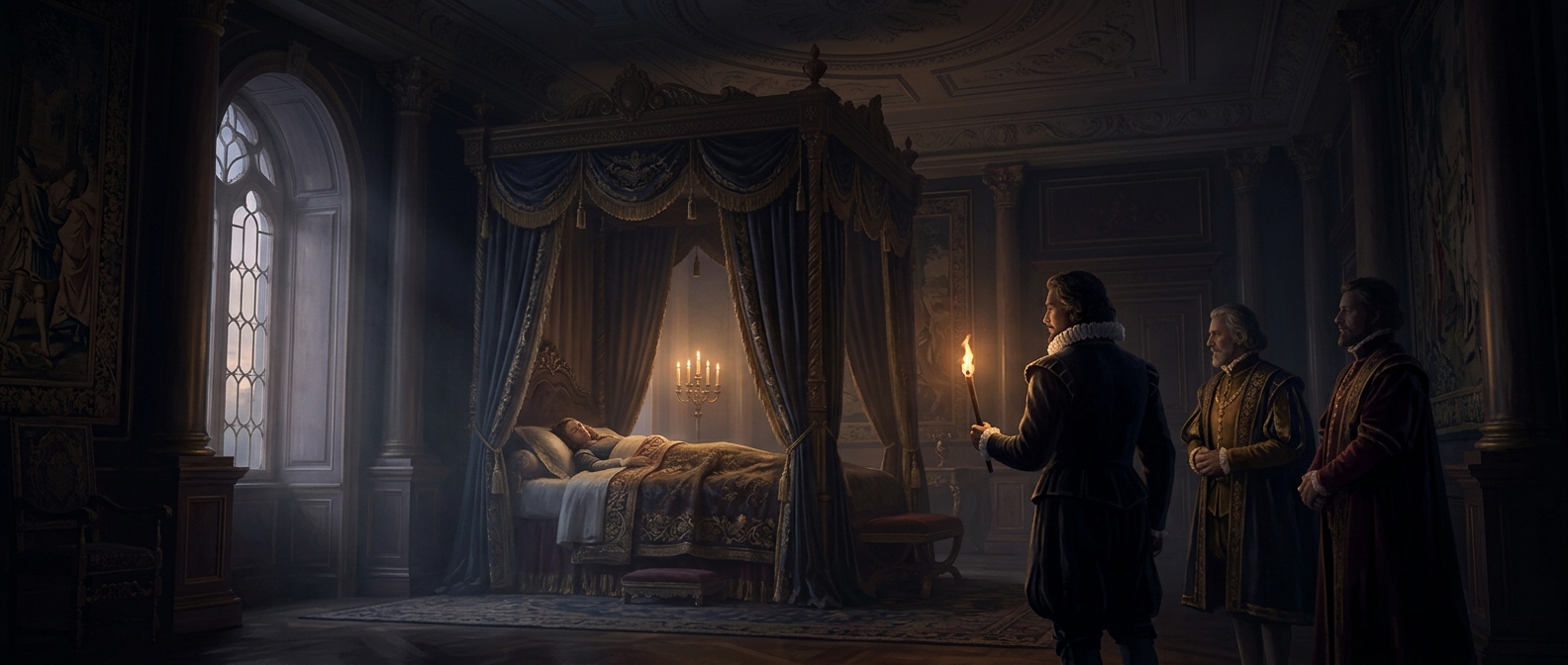
When watching the king get dressed was a royal privilege
At court, proximity to the king was a mark of rank. The privilege could mean watching him rise, dress, and rub his eyes—because even the morning routine was a…
Discover more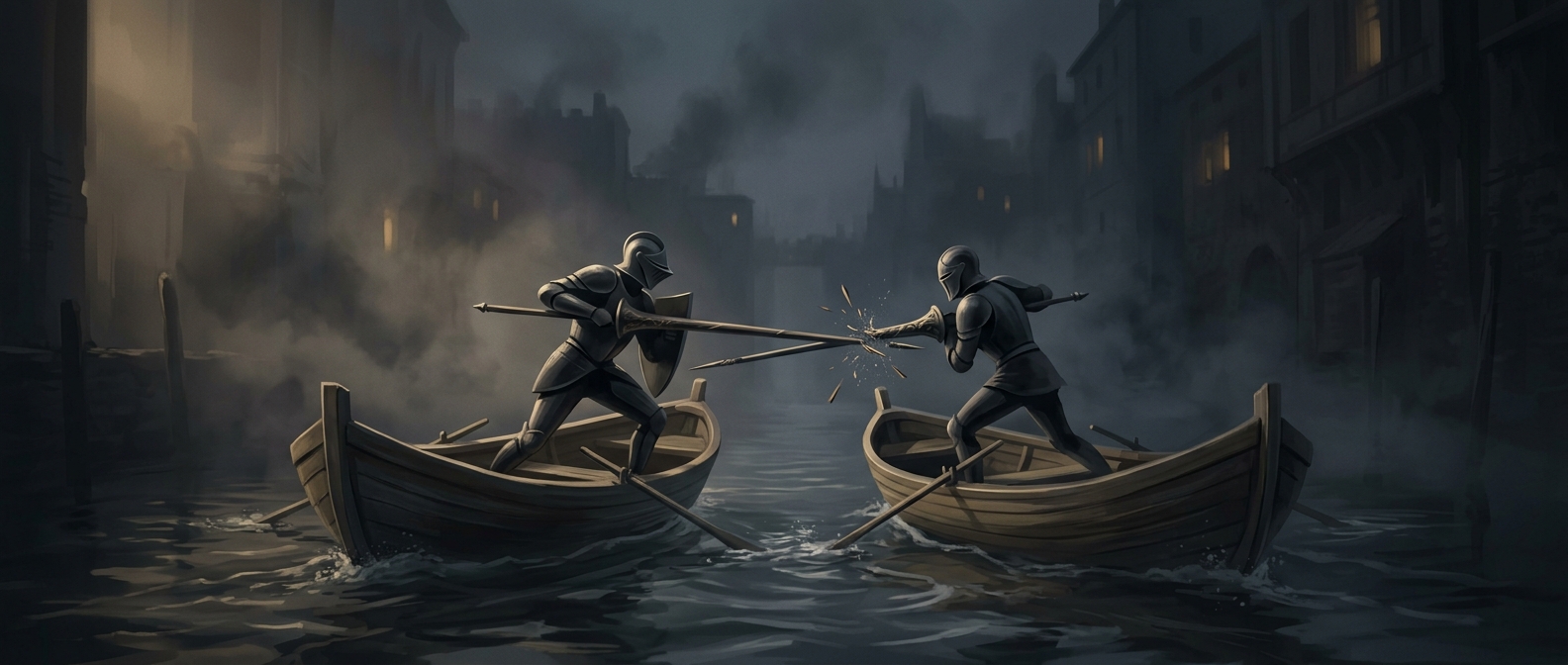
When jousting meant knocking rivals off rowboats
In southern France, competitors stood on platforms fixed to rowboats and tried to knock each other into the river with long poles. The boats made balance part…
Discover more