A Meal Designed to Be Experienced, Not Seen
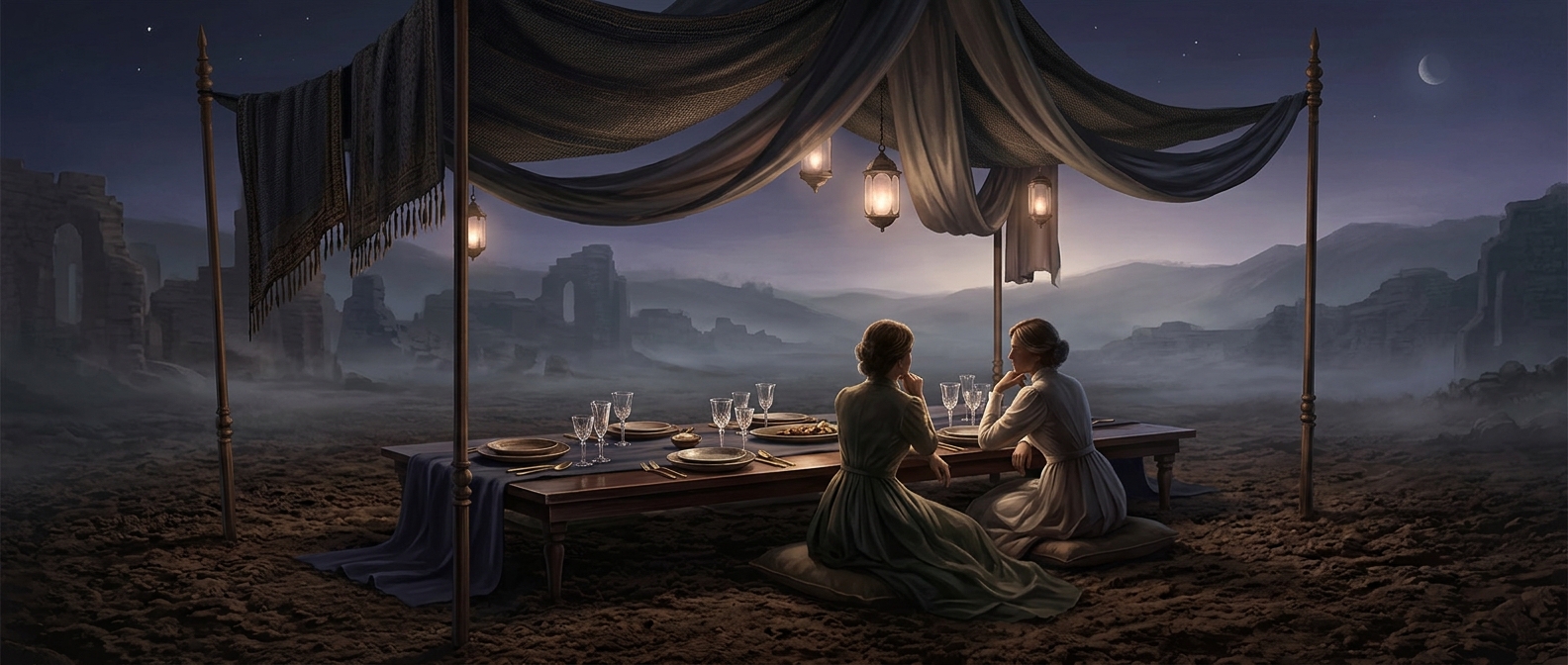
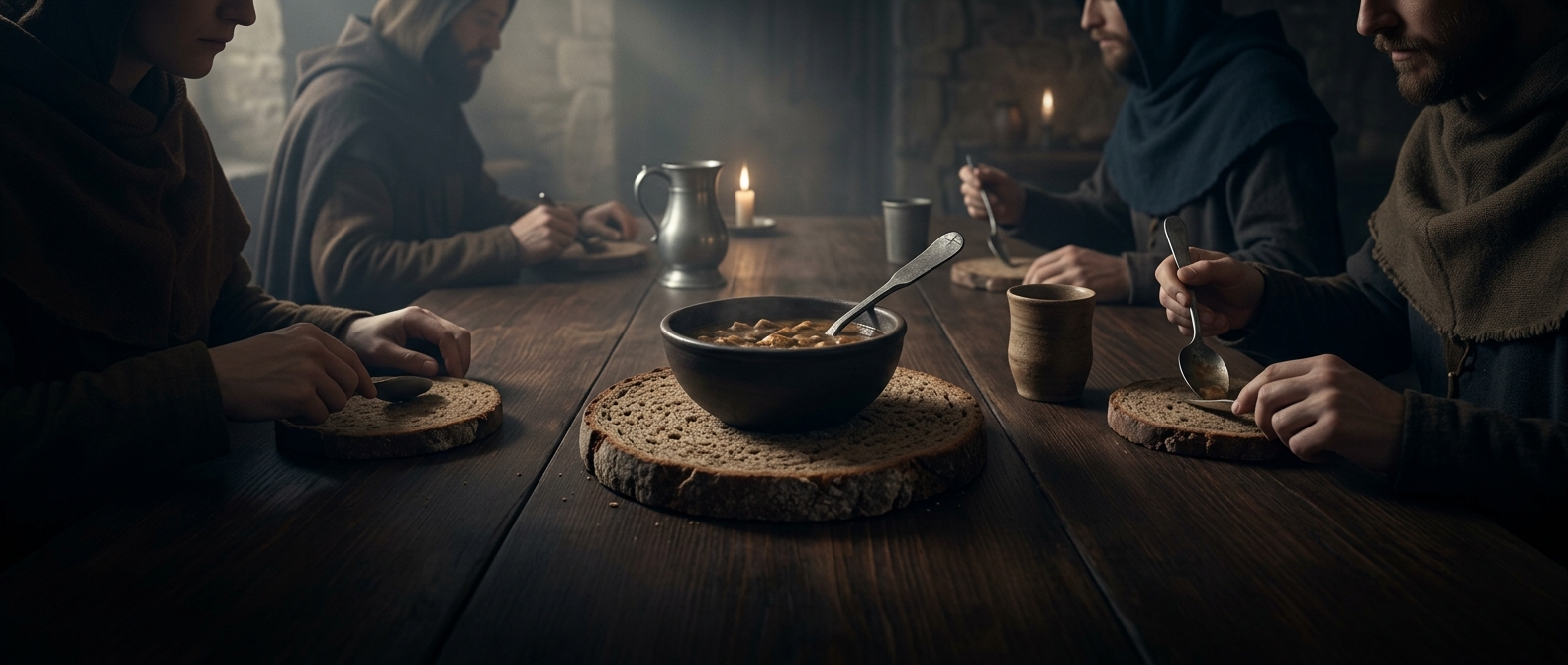
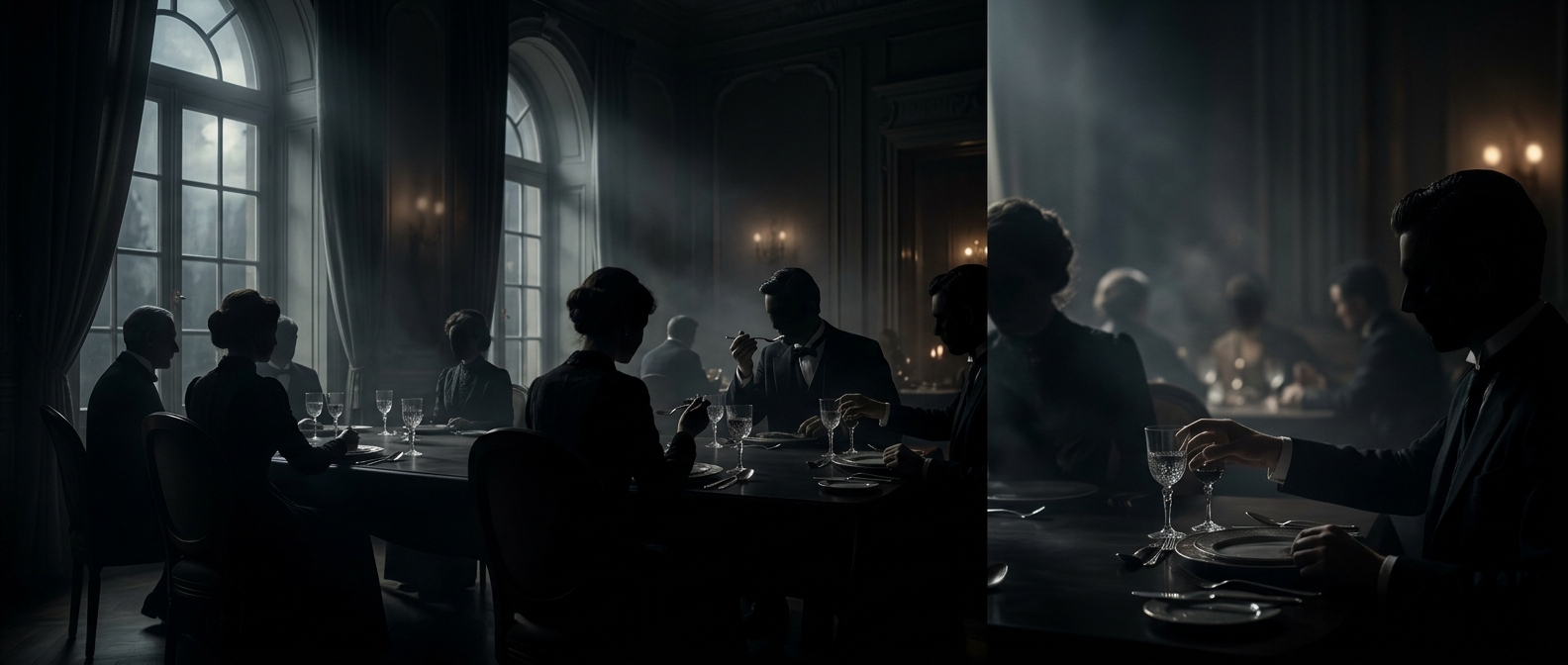
A dinner in total darkness turned an ordinary social ritual into a performance. Guests could not inspect a dish before tasting it, read expressions across the table, or use the room’s furnishings to orient themselves. Eating became slower and less certain: diners had to rely on smell, texture, memory, and the sounds around them.
The darkness was not an accident or a response to scarce candles. It was part of the staging. Black food extended the effect, making the meal’s appearance itself a deliberate challenge to expectation—even if the room concealed that appearance from diners at first.
Why Make Dining Unsettling?
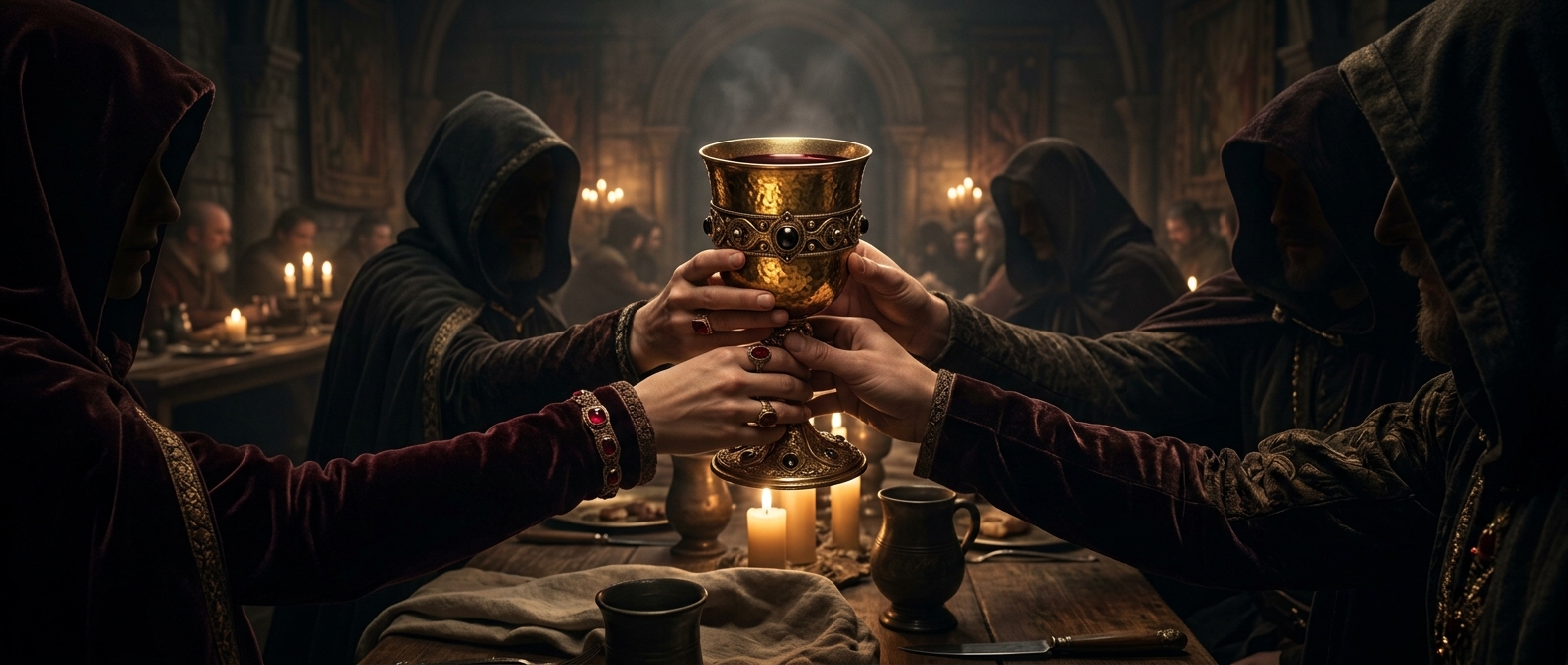
Elite hospitality could be a display of resources and imagination as well as a way to feed guests. A host who altered the basic conditions of a meal made the gathering memorable by changing what guests could do and know. In darkness, familiar manners became harder to perform: a guest could not easily judge the plate, watch others’ reactions, or rely on visual signals to follow the room.
That uncertainty was the point. The meal made guests participants in a carefully arranged spectacle, not just spectators at a lavish table. Its striking detail is the contradiction at its center: the food’s black appearance mattered even when the guests were denied the light needed to see it.