The Meal Moved Outdoors, but the Rules Came Along
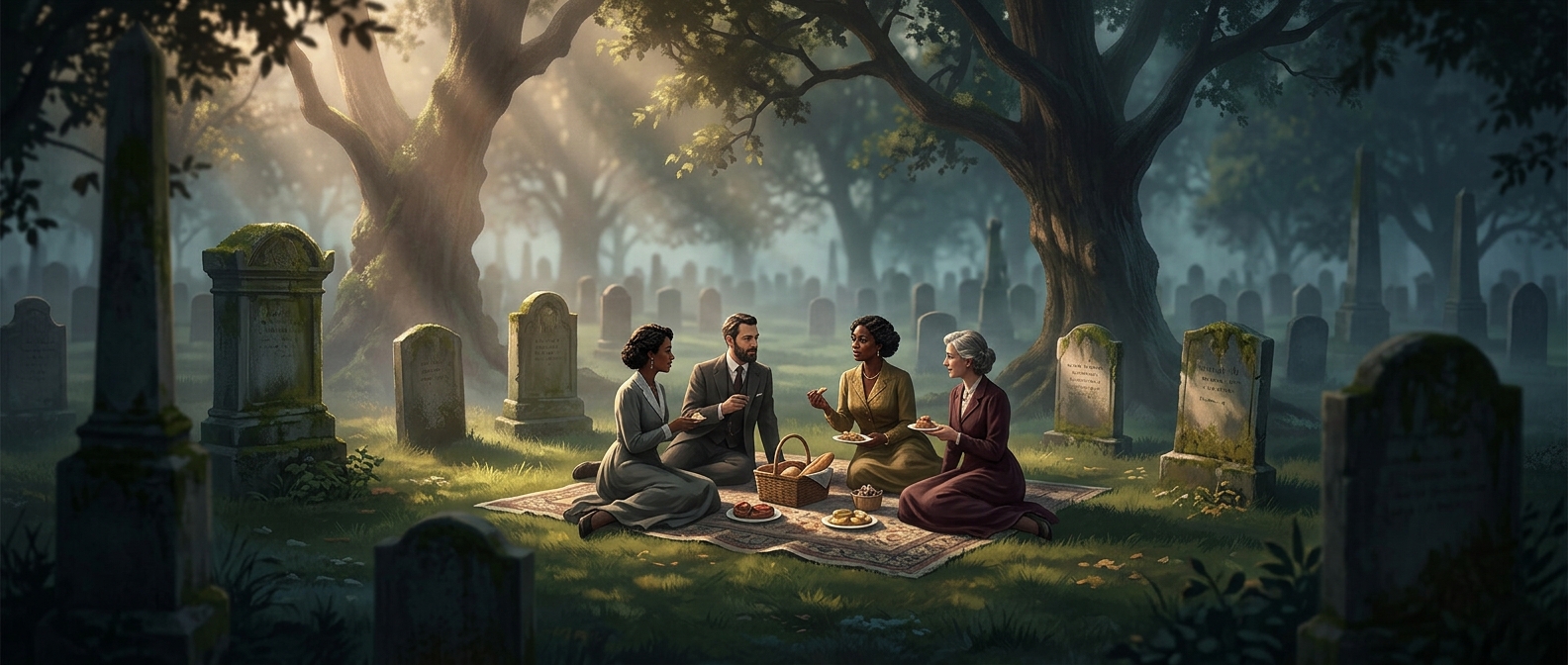
For aristocrats, eating on the grass was not a break from fine dining so much as a change of setting. Plates, prepared food, and the habits of a formal meal traveled beyond the house. The contrast did the work: a carefully arranged dinner now unfolded amid trees and open air.
That took planning. Unlike a meal served in a dining room, an outdoor spread had to be carried to its setting and arranged there. The effort turned the meal itself into part of the occasion. Guests were not simply stopping to eat; they were participating in a display of leisure, with the time and resources to bring domestic comforts into the landscape.
Nature Became Part of the Setting
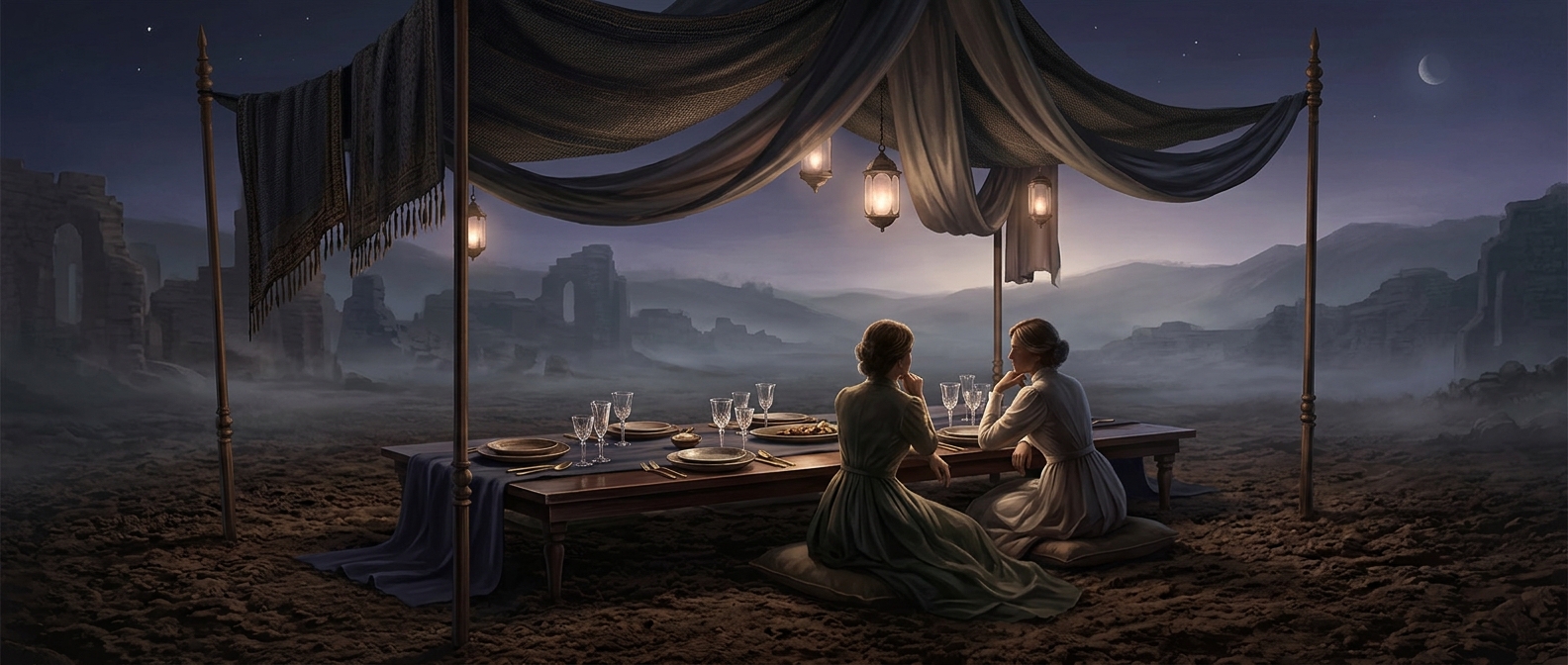
The woods offered a different backdrop from a decorated room, but the social purpose remained familiar. The outdoor meal let its hosts present refinement in a less conventional setting. The novelty was not abandoning formality; it was showing that formality could travel.
That distinction explains why fashionable outdoor dining was not the same as roughing it. The grass might be underfoot, but the meal was still organized around the comforts and expectations of elite dining. The landscape became an extension of the occasion—one that made a cultivated meal feel both unusual and conspicuously effortless.