A Pie Could Be a Stage Prop
At an elaborate banquet, a giant pie might be built for its appearance as much as for eating. Its hollow pastry shell concealed a performer—such as an acrobat or actor—who could emerge at a chosen moment. The “surprise” depended on timing: guests saw an impressive dish arrive, then watched it turn into a miniature stage.
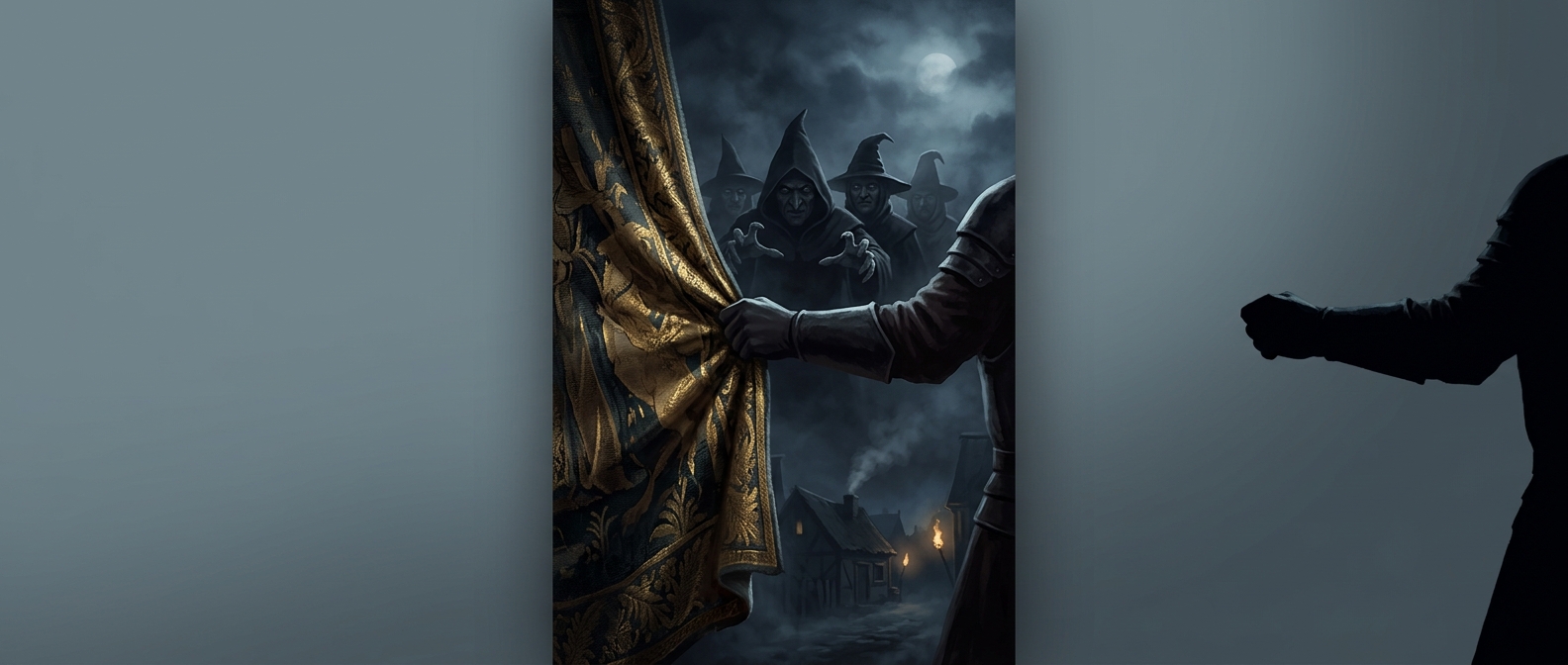
The pastry was therefore not simply a container for dinner. It functioned like a curtain, hiding the performer until the spectacle began. The shell had to be large enough to conceal someone and arranged so an exit was possible; the effect came from the contrast between an ordinary-looking banquet dish and an unexpected live performance.
Why Springing from a Dish Mattered
A banquet brought guests together not just to eat but to witness displays of wealth, ingenuity, and entertainment. A performer appearing from inside a pie fused all three: the host could command attention, the cooks could show off their craft, and the guests received a surprise that unfolded right at the table.
The trick also made food part of the performance rather than a backdrop to it. For a moment, the dish seemed to contain more than a meal—and the banquet table became a stage without anyone having to leave their seat.